
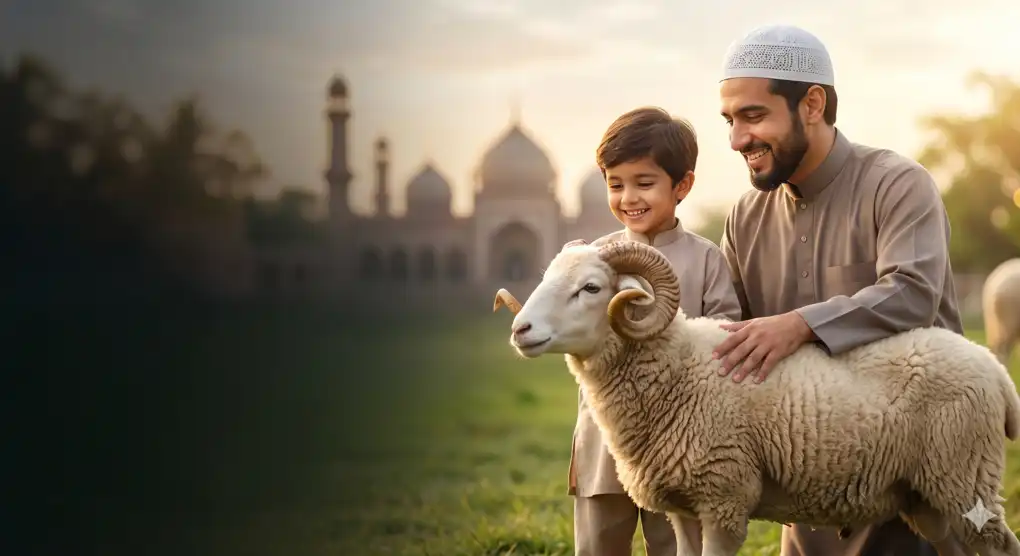
The act of sacrifice, academically referred to as Udhiyah, is one of the most profound acts of worship in Islam, predominantly performed during the festive days of Eid al-Adha. The wisdom of Qurban extends far beyond the mere ritualistic slaughter of an animal; it encompasses deeply rooted spiritual devotion and broad social impacts. By engaging in this specific definition and ruling of Qurban, a Muslim demonstrates absolute obedience to the Creator, emulates the monumental sacrifice of Prophet Ibrahim (Abraham), and shares joy with the community. Drawing critical insights from the authoritative Shafi’i text, Al-Fiqh al-Manhaji, we will explore the profound meanings behind this sacred practice. Before delving into its inner dimensions, understanding the basic principles of Islamic jurisprudence helps contextualize the importance of combining outward conformity with inward sincerity.
The Fundamental Wisdom of Qurban in Spiritual Dimensions
Absolute Submission and Obedience to Allah
The primary wisdom of Qurban lies in its manifestation of a Muslim’s complete submission to the divine commandments. As elucidated by classical scholars in Al-Fiqh al-Manhaji (Vol. 1, p. 231):
“الأضحية عبادة، وأن كل ما قد يكون لها من حكمة وفائدة يأتي بعد فائدة الخضوع للمعنى التعبدي الذي فيها”
“Udhiyah is an act of worship. Any wisdom or benefit derived from it is secondary to the primary benefit of submitting to its devotional meaning, as is the case with all acts of worship.”
This passage highlights that the true essence of the sacrifice is to draw closer to the Divine with utmost sincerity. Every ritual requires a pure intention (niyah) to seek only the pleasure of Allah, reaffirming our fundamental belief in Allah. Furthermore, adhering to the proper etiquette before the sacrifice ensures that the act remains spiritually sound and physically humane.
Emulating the Sacrifice of Prophet Ibrahim
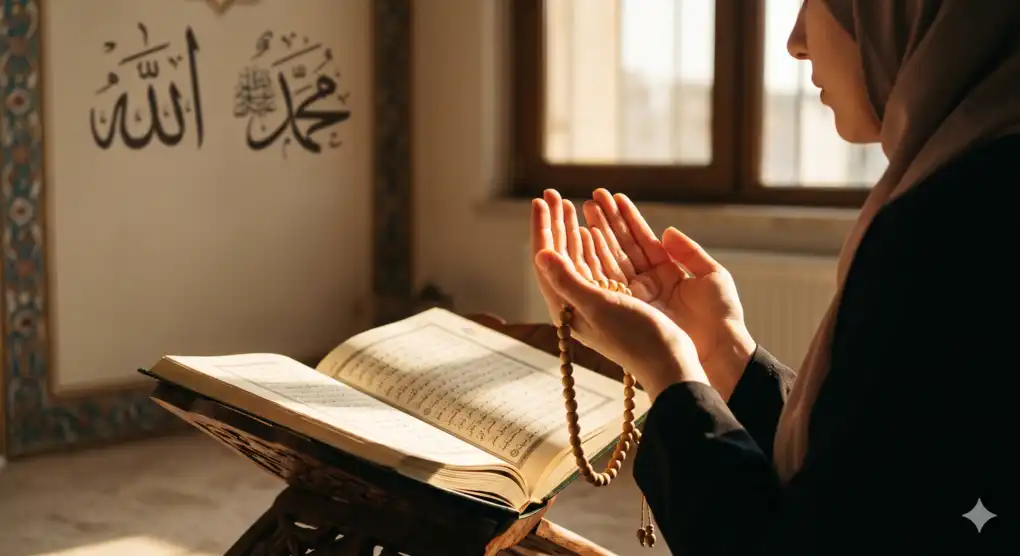
Another profound aspect embedded within the wisdom of Qurban is honoring the legacy of Prophet Ibrahim and his son, Prophet Ismail (Ishmael)—a sacred narrative that is also intricately connected to the history of Hajj. Al-Fiqh al-Manhaji provides the following insight:
“ثم إن من أبرز المعاني المتعلقة بالأضحية إحياء معنى الضحية العظمى التي قام بها إبراهيم عليه الصلاة والسلام”
“Furthermore, one of the most prominent meanings related to the Udhiyah is reviving the essence of the great sacrifice performed by Ibrahim, peace be upon him.”
Allah tested Ibrahim’s devotion by commanding him to sacrifice his beloved son. Both the father and the son demonstrated unwavering faith and obedience, reflecting the absolute trust required in the six articles of faith. Through His infinite mercy, Allah ultimately ransomed Ismail with a magnificent ram. Consequently, this ritual serves as an eternal reminder of pure reliance on the Almighty.
The Social Wisdom of Qurban

Supporting the Underserved and the Poor



Beyond individual spirituality, the wisdom of Qurban radiates through its profound social benefits. Providing sustenance for the destitute is a central objective of this worship. The authors of Al-Fiqh al-Manhaji note:
“أضف إلى ذلك: ما فيها من المواساة للفقراء والمعوزين وإدخال السرور عليهم وعلى الأهل والعيال يوم العيد”
“Add to this: the consolation it provides to the poor and needy, bringing joy to them, their families, and dependents on the day of Eid.”
Distributing the meat ensures that all strata of society can partake in the festivities. Adhering to the specific rules of meat distribution guarantees that marginalized individuals receive their rightful share, thereby elevating their spirits on a day designated for communal rejoicing.
Fostering Brotherhood and Community Solidarity
The wisdom of Qurban also functions as a powerful catalyst for social cohesion. The text continues to elaborate on its communal impact:
“وما ينتج عن ذلك من تمتين روابط الأخوة بين أفراد المجتمع المسلم، وغرس روح الجماعة والود في قلوبهم”
“And what results from this is the strengthening of the bonds of brotherhood among the members of the Muslim community, implanting a spirit of togetherness and affection in their hearts.”
Sharing provisions systematically cultivates empathy, eradicates socioeconomic barriers, and reinforces a collective identity grounded in compassion and mutual support within the Islamic framework.
The Virtues and Ultimate Objectives of the Sacrifice
The virtues of Udhiyah transcend the physical act of slaughtering an animal. The ultimate objective is to cultivate Taqwa (God-consciousness), aligning perfectly with the orthodox principles of the Shafi’i school and the Ahlus Sunnah wal Jama’ah theology. While fulfilling the strict requirements of the sacrificial animal guarantees the legal validity of the rite, the profound spiritual merit fundamentally hinges upon a clean heart and unyielding devotion.
Conclusion
In summary, the wisdom of Qurban elegantly intertwines both the spiritual and the social spheres of a believer’s life. Spiritually, it acts as a profound testament to a Muslim’s submission and sincerity, mirroring the monumental dedication of Prophet Ibrahim. Socially, it functions as an effective mechanism for equitable resource distribution, alleviating temporary poverty, and cementing unbreakable community bonds. By engaging in this sacred tradition through the comprehensive and academic lens of Al-Fiqh al-Manhaji, Muslims can fulfill their religious duties with enlightened awareness, seeking immense rewards in both this temporal world and the Hereafter.
Frequently Asked Questions (FAQ)
What is the primary wisdom of Qurban in Islam?
The core wisdom of Qurban is demonstrating absolute submission and obedience to the will of Allah. It acts as an exercise in prioritizing divine commandments over worldly attachments, alongside commemorating the ultimate devotion of Prophet Ibrahim.
How does Qurban impact the Muslim community socially?
Socially, Qurban serves as an active poverty alleviation measure during the days of Eid. It ensures that the poor and underprivileged receive high-quality nourishment, thereby fostering a sense of brotherhood, empathy, and communal joy.
Does the meat or blood of the sacrificed animal reach Allah?
No. According to Islamic theology (Aqidah), neither the flesh nor the blood reaches Allah. Instead, it is the piety (Taqwa) and the pure sincerity behind the sacrifice that are accepted by Him. The physical act is merely a vehicle for spiritual elevation.
Conceptual Reference:
Al-Khin, Muṣṭafā, Muṣṭafā Dīb al-Bughā, and ʿAlī ash-Sharbajī. Al-Fiqh al-Manhaji ʿalā Madhhab al-Imām ash-Shāfiʿī. Vol. 1. Damascus: Darul Qalam, 1992.


