

The ritual of sacrifice is one of the most significant acts of devotion in Islam, performed during the festive days of Eid al-Adha. For the Shohibul Qurban (the individual performing the sacrifice), understanding the proper etiquette before Qurban is the master key to ensuring this worship is accepted by Allah SWT.
Beyond merely knowing the basic meaning and ruling of Qurban, a believer must embody specific manners that elevate the spiritual value of the sacrifice. This article delves deeply into the recommended etiquette, the Sunnah acts, and the specific restrictions before slaughtering, drawing directly from the authoritative Shafi’i text, Al-Fiqh al-Manhaji (Vol. 1, p. 236), complete with original Arabic texts and their English explanations.
Understanding the Etiquette of Qurban
The term “etiquette” (adab) in this context refers to the recommended procedures and behaviors for the Shohibul Qurban before, during, and after the slaughtering of the sacrificial animal. This encompasses both technical aspects, such as the slaughtering method, and profound spiritual dimensions, such as sincerity and reverence. By exploring these manners, one can unlock the true wisdom of Qurban and perform the ritual flawlessly.
Essential Etiquette Before Qurban
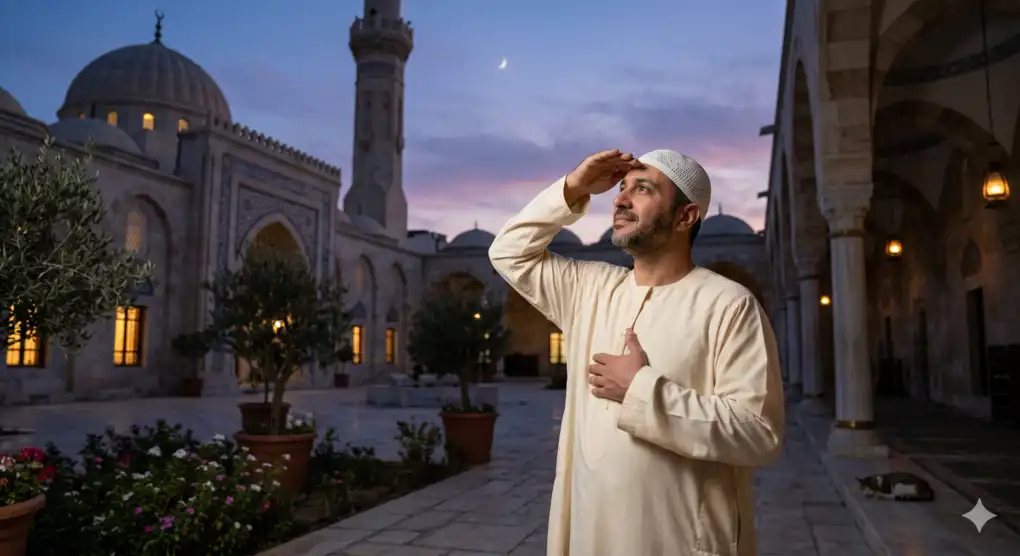
Before undertaking the sacrifice, there are specific manners highly recommended for the Shohibul Qurban to practice. The following is a detailed explanation based on Al-Fiqh al-Manhaji:
1. Refraining from Cutting Hair and Nails
One of the primary guidelines regarding etiquette before Qurban is to avoid cutting hair and nails starting from the 1st of Dhu al-Hijjah until the animal is slaughtered. The original text from Al-Fiqh al-Manhaji states:
“إذا دخل عشر ذي الحجة، وعزم خلاله على أن يضحي، ندب له أن لا يزيل شيئاً من شعره وأظافره إلى أن يضحي فليمسك عن شعره وأظافره. لما رواه مسلم (١٩٧٧)، عن النبي – صلى الله عليه وسلم – قال: ‘إذا رأيتم هلال ذي الحجة، وأراد أحدكم أن يضحي فليمسك عن شعره وأظافره’.”
Translation: When the first ten days of Dhu al-Hijjah begin, and a person intends to offer a sacrifice during this time, it is recommended for him not to remove anything from his hair or nails until he sacrifices; so let him refrain from (cutting) his hair and nails. This is based on what Muslim (No. 1977) narrated from the Prophet ﷺ, who said: “When you see the crescent of Dhu al-Hijjah, and one of you intends to sacrifice, let him refrain from (cutting) his hair and nails.”
Fiqh Explanation: In the Shafi’i school, the ruling of Qurban generally dictates that refraining from cutting hair and nails is a strong Sunnah, not a strict obligation. The primary purpose is to resemble the spiritual state of pilgrims, drawing parallels to the prohibitions of ihram for Hajj and Umrah. If a person cuts their hair or nails, their sacrifice remains valid, but they miss out on the immense virtue of this specific Sunnah.
2. Preserving Sincerity and Pure Intention
The core of etiquette before Qurban lies in maintaining absolute sincerity. The sacrifice must be grounded in a pure concept of intention (niyyah) aimed solely at seeking the pleasure of Allah. It must be free from ostentation (riya) or worldly pride. This absolute sincerity reflects a Muslim’s unwavering belief in Allah.
Sunnah Acts Before and During the Sacrifice
Alongside the restrictions, there are several Sunnah practices that exponentially increase the spiritual rewards of the sacrifice:
1. Slaughtering Personally or Witnessing the Act




It is a highly regarded etiquette before Qurban for the individual to either slaughter the animal themselves or, if unable, to witness the event. Al-Fiqh al-Manhaji explains:
“يسن له أن يتولى ذبحها بنفسه، فإن لم يفعل لعذر أو غيره، فليشهد ذبحها، لما رواه الحاكم (٤/ ٢٢٢) بإسناد صحيح…”
Translation: It is recommended for him to undertake its slaughter himself. If he does not do so due to an excuse or otherwise, let him witness its slaughter. This is due to what Al-Hakim (4/222) narrated with an authentic chain: The Prophet ﷺ said to Fatimah, may Allah be pleased with her: “Stand by your sacrificial animal and witness it, for with the first drop of its blood, your past sins will be forgiven.”
Fiqh Explanation: Slaughtering personally or witnessing it grants immense virtue, notably the forgiveness of sins as the first drop of blood falls. If one lacks the expertise to slaughter, merely being present fulfills the spirit of this recommendation.
2. Reciting Basmalah During Slaughter
Understanding the ruling of reciting the Basmalah is critical. The text details the Prophetic practice:
“يسنّ لحاكم المسلمين أو إمامهم أن يضحي من بيت المال عن المسلمين، فقد روى مسلم (١٩٦٧) أنه – صلى الله عليه وسلم – ضحى بكبش، وقال عند ذبحه: ‘باسم الله، اللهم تقبل من محمد وآل محمد وأمة محمد’.”
Translation: It is Sunnah for the ruler of the Muslims or their Imam to sacrifice from the public treasury (Baitulmal) on behalf of the Muslims. Muslim (No. 1967) narrated that the Prophet ﷺ sacrificed a ram and said upon slaughtering it: “In the name of Allah; O Allah, accept from Muhammad, the family of Muhammad, and the Ummah of Muhammad.”
Fiqh Explanation: Uttering the Basmalah ensures the act is done with full divine consciousness. Furthermore, as noted by Al-Isnawi in Al-Muhimmat, one is permitted to slaughter a single animal and share the spiritual reward with multiple people.
Prohibitions Before Qurban
Beyond refraining from cutting hair, another crucial aspect of etiquette before Qurban is avoiding defective animals. The Shohibul Qurban must meticulously ensure the animal meets all the stringent requirements of Qurban, meaning it cannot be blind, severely lame, sick, or dangerously emaciated.
Etiquette of Slaughtering for Leaders
For Muslim leaders, there is a specific etiquette regarding the location of the sacrifice:
“ويذبحه بالمصلى، حيث يجتمع الناس لصلاة العيد، وأن ينحر أو يذبح بنفسه…”
Translation: And he slaughters it at the Musalla (prayer ground), where people gather for the Eid prayer. It is also recommended for the leader to personally slaughter it…
Fiqh Explanation: Understanding the meaning of prayer in congregation highlights why performing the sacrifice near the Eid gathering is virtuous. It symbolizes unity, transparency, and exemplary leadership in worship. Following this, adhering to the proper rules of Qurban meat distribution ensures the entire community benefits.
Conclusion
Practicing the proper etiquette before Qurban and observing its related Sunnahs demonstrates a profound adherence to the teachings of Prophet Muhammad ﷺ. These adabs ensure the Shohibul Qurban approaches the ritual with utmost sincerity, reverence, and spiritual preparation—mirroring the sacred intention of ihram. By adhering to these classical guidelines from texts like Al-Fiqh al-Manhaji, Muslims can maximize the immense blessings and divine forgiveness associated with Eid al-Adha.
Frequently Asked Questions (FAQ)
Is it haram to cut hair and nails before Qurban?
In the Shafi’i school of thought, it is not Haram (forbidden) but rather Makruh (disliked). Refraining from cutting hair and nails from the 1st of Dhu al-Hijjah until the sacrifice is completed is a highly recommended Sunnah.
Does the rule about cutting hair apply to the whole family?
No, the recommendation to refrain from cutting hair and nails applies specifically to the Shohibul Qurban—the individual who is providing the wealth for the sacrificial animal.
What if I don’t know how to slaughter the animal myself?
If you lack the necessary skill, it is perfectly permissible to delegate the slaughtering to a competent Muslim butcher. However, it is highly recommended (Sunnah) for you to physically be present and witness the slaughter.
Conceptual References:
- Al-Isnawī, ʿAbd al-Raḥīm. Al-Muhimmāt fī Sharḥ al-Rawḍah wa al-Rāfiʿī. Edited by Aḥmad ibn ʿAlī Abū al-Faḍl al-Dimyāṭī. Casablanca/Beirut: Dār Ibn Ḥazm, 2009.
- Al-Khin, Muṣṭafā, Muṣṭafā Dīb al-Bughā, and ʿAlī ash-Sharbajī. Al-Fiqh al-Manhaji ʿalā Madhhab al-Imām ash-Shāfiʿī. Vol. 1. Damascus: Darul Qalam, 1992.


