The Prophetic Sunnahs of Ghusl: A Complete Guide to the Correct Procedure

Aesthetic composition of a terracotta water vessel, towels, and misk bottle on a wooden table, prepared for purification.

Worship in Islam is not merely the discharge of obligations through mechanical movements, but a spiritual path to draw closer to the Creator. In the chapter of Thaharah (ritual purification) from major ritual impurity, the major bath (Ghusl) holds a highly esteemed position. When examining the fundamental meaning of thaharah according to classical scholars, you … Read more

When is Replying Not Obligatory? Exceptions to Answering Salam in Shafi’i Fiqh

exceptions to answering salam: A Muslimah wearing a neat hijab sitting in tahiyat reverently on a prayer mat, while a silhouette of someone greets salam from the doorway.

Imagine being deeply engrossed in your ritual prayer (salah), profoundly focused on every sacred verse, when someone suddenly enters the room and loudly offers a greeting of peace. Must you break your prayer to reply? In the magnificent framework of Islamic law, replying to a greeting is fundamentally an individual obligation (fard al-ayn) when addressed … Read more

Innamal A’malu Binniyat: Meaning, Arabic Text, and Its Profound Significance

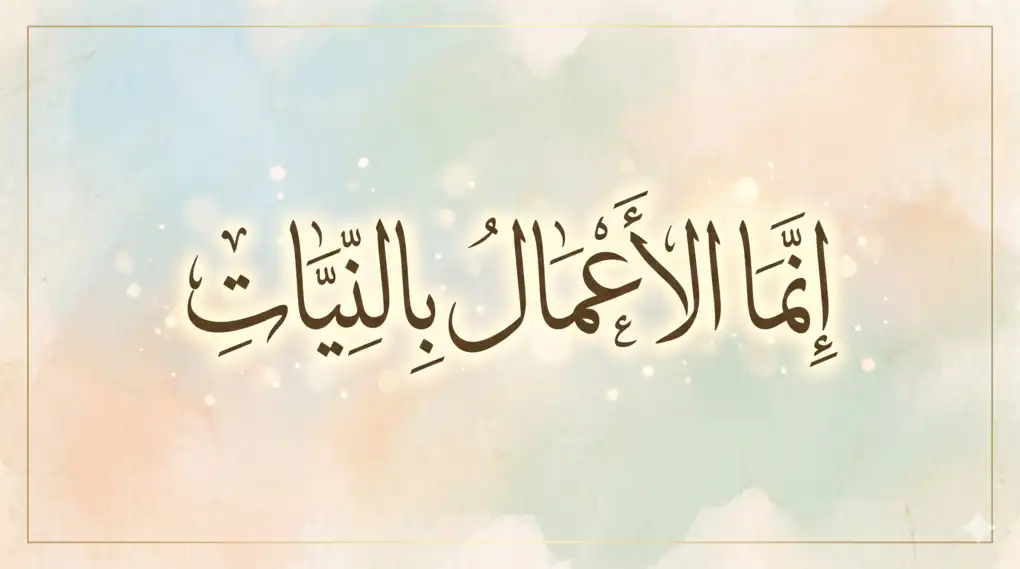
Innamal A'malu Binniyat Arabic calligraphy with an elegant and glowing pastel background.

The foundation of religious life in Islam rests upon the awareness of the heart before any limb moves to act. Within the Islamic scholarly tradition, the hadith of intention occupies a central position, even regarded by classical scholars as one-third of the entire religion. Understanding what Innamal A’malu Binniyat truly means is not merely a … Read more

Niyyah and Ikhlas in Islam: A Complete Guide from Hadith to the Fiqh of Worship

Arabic calligraphy of innamal a'malu binniyat symbolizing niyyah and ikhlas in Islam

Understanding niyyah and ikhlas in Islam is the gateway to authentic worship. Intention (niyyah) and sincerity (ikhlas) form the twin pillars upon which the acceptance of every believer’s deed rests. For this reason, Imam an-Nawawi raḥimahullāh opens his celebrated Riyāḍ al-Ṣāliḥīn with the chapter titled Bāb al-Ikhlāṣ wa Iḥḍār al-Niyyah fī Jamīʿ al-Aʿmāl wa al-Aqwāl … Read more

When to Perform Ghusl After Menstruation and Postpartum Bleeding: A Shafi’i Perspective

Ghusl after menstruation: An open classic fiqh book alongside a copper pitcher filled with pure water and jasmine flowers on a carved wooden table.

The issue of purification (Thaharah) is the fundamental foundation of worship in Islamic law. For a Muslim woman, understanding biological cycles such as menstruation and postpartum bleeding is not merely a medical concern, but a strict theological responsibility that determines the validity of her prayers and fasting. Various conditions can place a person in a … Read more

Etiquette Before Qurban: A Comprehensive Guide for Shohibul Qurban

A neatly dressed Muslim man sitting on a traditional mosque porch, holding prayer beads and praying devoutly before the Qurban sacrifice.

The ritual of sacrifice is one of the most significant acts of devotion in Islam, performed during the festive days of Eid al-Adha. For the Shohibul Qurban (the individual performing the sacrifice), understanding the proper etiquette before Qurban is the master key to ensuring this worship is accepted by Allah SWT. Beyond merely knowing the … Read more

Rules of Junub in Shafii Fiqh: A Daily Jurisprudence Guide

An open classical Arabic fiqh manuscript resting on a wooden desk alongside a copper water pitcher and prayer beads under soft morning light.

Maintaining physical purity and spiritual clarity is a fundamental principle in Islamic law (Shari’ah). A servant who preserves their station (Maqam) of obedience before Allah is always cautious about their state of purity. Just as the stain of sin is removed through sincere repentance (Tawbah Nasuha), the state of major impurity (janabah)—which stems from various … Read more

The Sunnah of Ghusl and Its Etiquette in Shafi’i Fiqh: A Prophetic Guide

An aesthetic still-life photograph of an open classical Arabic fiqh manuscript, next to an antique copper dipper filled with crystal-clear water and a pristine white towel, symbolizing Islamic purification and academic knowledge.

The performance of worship in Islam is not merely about discharging obligatory duties (fardh). A servant who desires a high spiritual station (Maqām) before Allah the Almighty always adorns their deeds with sunnah and proper etiquette (adab). In the context of purification from major ritual impurity (Thaharah), fulfilling the pillars of the obligatory bath ensures … Read more

The Meaning of Thaharah: Significance, Rulings, and Its Importance in Islam

A modestly dressed Muslim woman in a proper hijab sitting reverently, holding a Quran in a bright mosque.

Thaharah is a fundamental concept in Islamic teachings that is inextricably linked to cleanliness and purity. For Muslims, understanding the meaning of thaharah goes far beyond merely maintaining physical cleanliness; it comprehensively encompasses the purity of the heart and soul. Before delving deeper, it is essential to realize that this teaching is an inseparable part … Read more

The Immense Reward of Providing Iftar: Liberation from Hellfire & Special Supplications

An open antique Islamic manuscript next to a glass of milk, a glass of water, and three dates on a wooden table at sunset.

The holy month of Ramadan serves as a spiritual madrasa that educates every Muslim to sharpen their inner spiritual acuity and social sensitivity. One significant manifestation of this sensitivity is the practice of muwasah (empathy and caring) toward fellow servants of Allah who are observing the fast. Within classical Islamic literature, particularly in the book … Read more