


Shafi’i Fiqh Studies
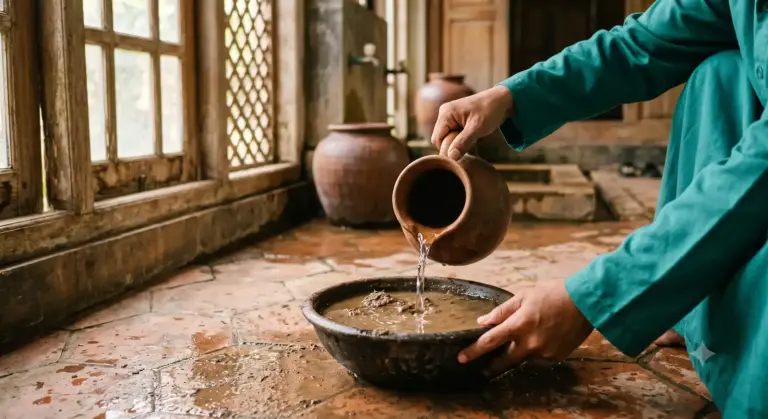
Blood in Islam: Menstruation, Wounds, and Mosquitoes
Blood on the body, clothing, prayer garments, bedding, or a mattress can raise three different questions: is blood…
 ByM Abi
Impurities from Human Bodily Fluids: Hemorrhoid Bleeding, Madhy,…
Human bodily fluids do not all have the same ruling in Shafi‘i fiqh. Some are najis—physical impurities that…
ByM Abi
Does Queefing Break Wudu? The Shafi’i Ruling on…
Queefing is the term commonly used for air leaving a woman’s private part. It may also be called…
ByM Abi
Is Semen Impure? The Shāfiʿī School’s Ruling
Direct answer: in the Shāfiʿī school, human semen is pure, not impure (najis). So the answer to “is…
ByM Abi
Ruling on Dogs: Major Impurity and Seven Washes
This article explains the Shafi’i ruling on dogs in the chapter of ritual purity. Its focus is the…
ByM Abi
Najis Mutawassithah: Intermediate Impurity (‘Ainiyyah & Hukmiyyah)
Najis mutawassithah, often written as najis mutawasitah, refers to a moderate impurity. Its classification falls between a light…
ByM AbiCollection of Duas



Latest Islamic Insights

The Virtues of Dhikr Ya Hayyu Ya Qayyum and the Secret of Tawhid During Disasters
When life’s overwhelming problems crash down relentlessly—whether it is crushing economic pressure, an illness that…
ByM Abi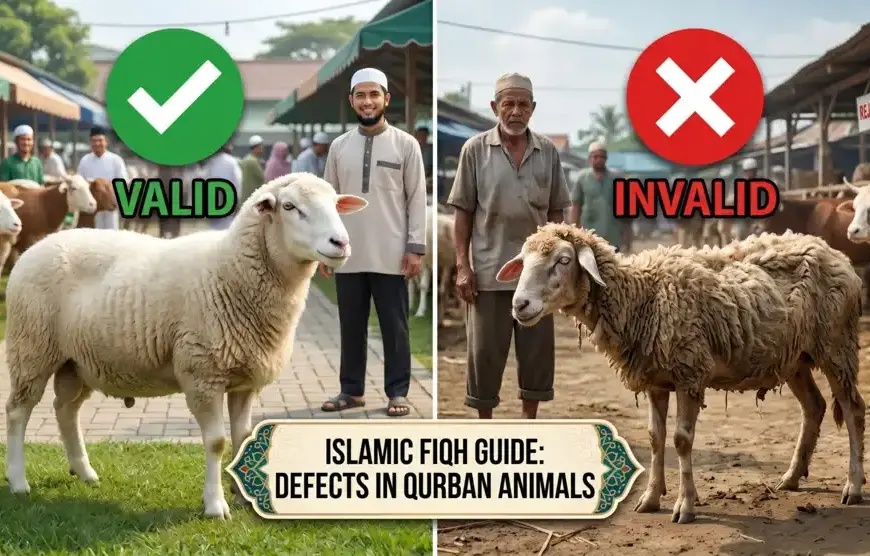
Unacceptable and Acceptable Defects in Qurban Animals
Knowing the criteria for defects in Qurban animals is an obligation for every Muslim intending…
ByM Abi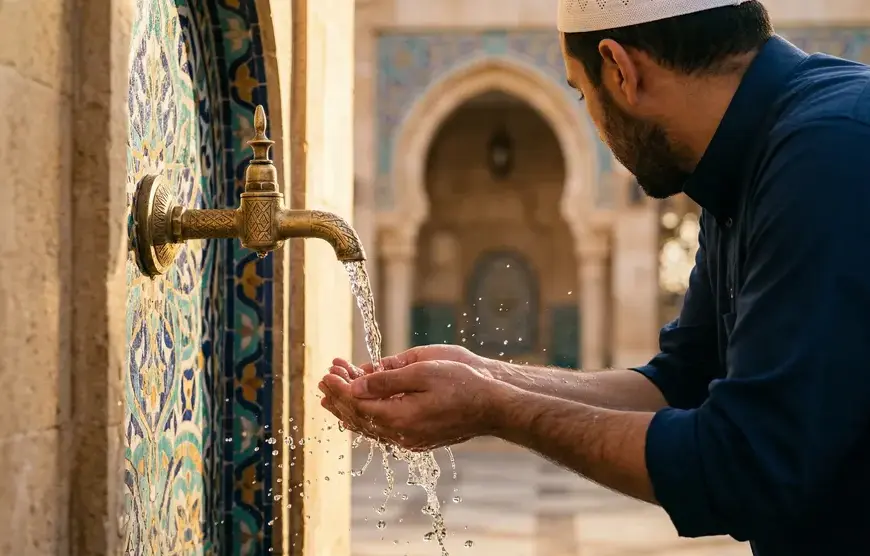
The Meaning of Wudu in Islam: Linguistic Roots and Fiqh Definition
Wudu (ablution) is a fundamental and essential practice in the daily life of a Muslim.…
ByM Abi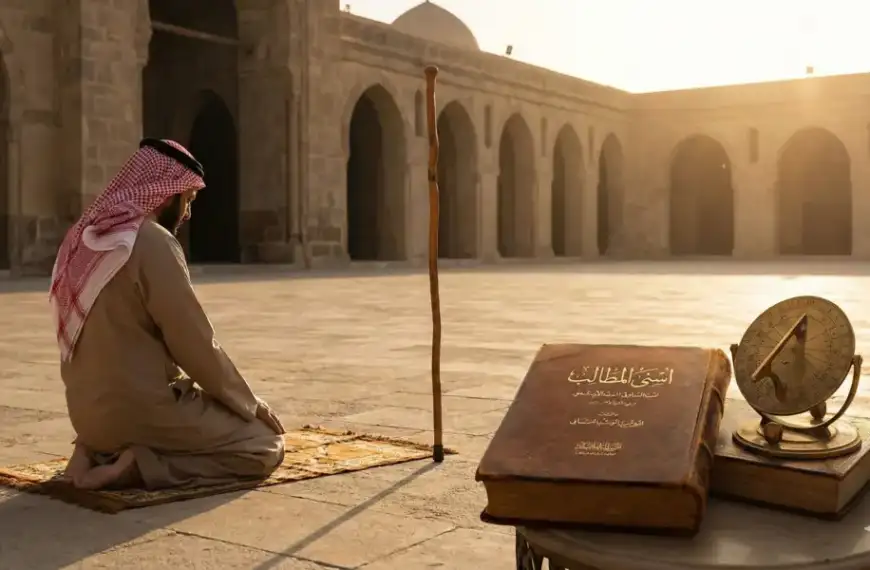
Asr Prayer Time Guide: Shafi’i Fiqh Explanation (Asna al-Matalib)
For Muslims, knowing the time limits of prayer is not merely a matter of looking…
ByM Abi