
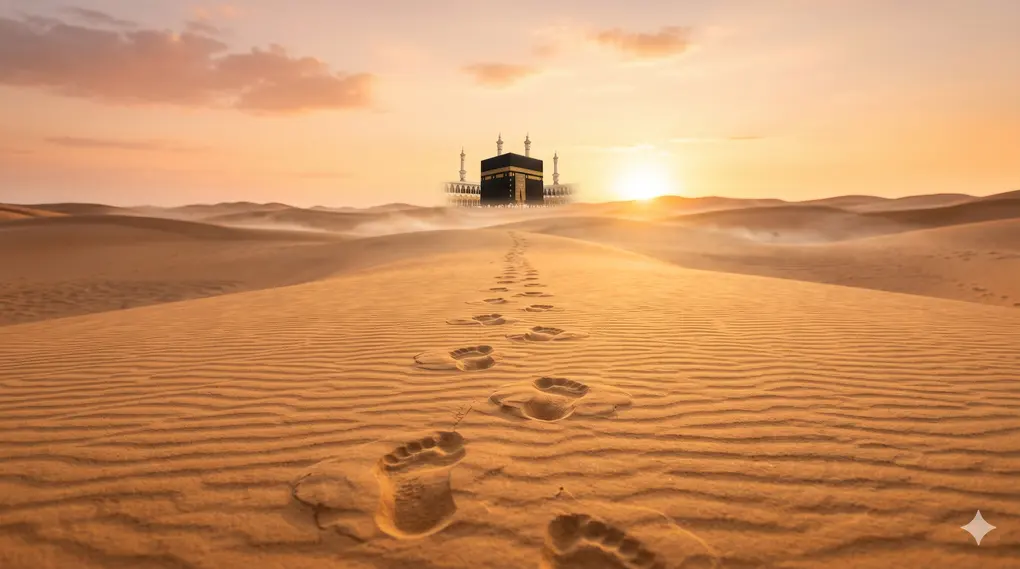
The Hajj pilgrimage, the fifth pillar of Islam, represents the ultimate spiritual aspiration for Muslims globally. This profound journey to the Sacred House (Baitullah) in Makkah is far more than a mandatory ritual; it is a spiritual retracing of the Prophets’ footsteps, particularly Prophet Ibrahim (AS). The history of Hajj is deeply rooted in antiquity, carrying millennia of profound theological meaning.
Understanding the fundamental meaning of Hajj and tracing its origins significantly enhances a pilgrim’s devotion. This article explores the comprehensive history of the Islamic pilgrimage, detailing how the divine legislation of Hajj began and how its rituals serve to commemorate prophetic history.
The Historical Roots: The Call of Prophet Ibrahim (AS)
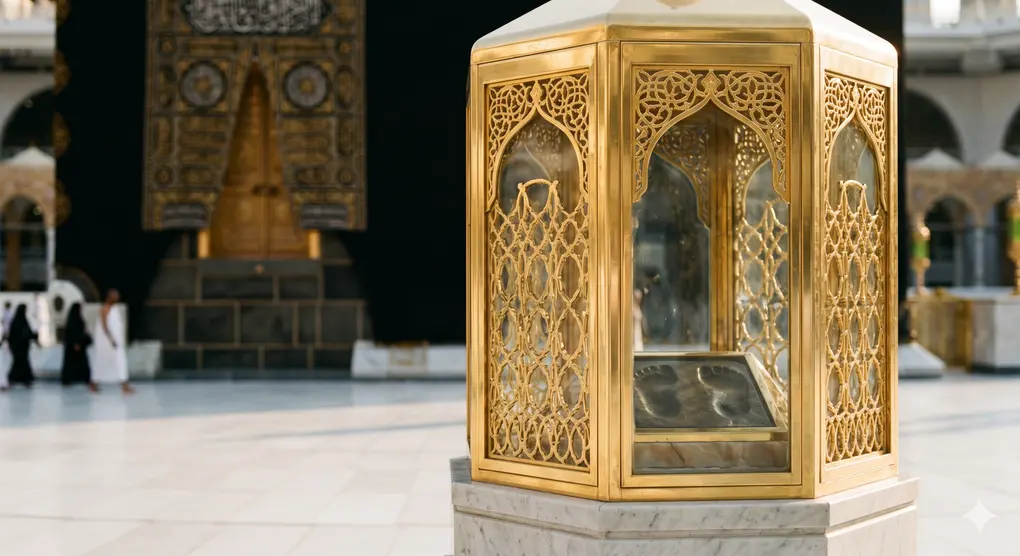
The inception of the Hajj pilgrimage is inextricably linked to Prophet Ibrahim (AS), the Khalilullah (Friend of Allah). The history of Hajj during his era established the primary foundation for the pilgrimage we recognize today.
The Divine Command to the Khalilullah
After enduring severe trials—including the command to sacrifice his son, Prophet Ismail (AS), which Allah ultimately substituted with a ram—Prophet Ibrahim received the divine directive to establish the Hajj. This command arrived after he and Ismail successfully raised the foundations of the Kaaba. The formal legislation of the pilgrimage stems from this pivotal moment, manifesting absolute belief in Allah and submission to His will. Allah (SWT) commanded Ibrahim to proclaim the pilgrimage to all of humanity.
The Eternal Proclamation from Makkah
A crucial historical account regarding the initiation of Hajj is preserved in classical exegesis (Tafsir), including Tafsir Ruh al-Ma’ani. This narration illustrates how Prophet Ibrahim (AS), by divine command, issued the universal call for Hajj.
Original Arabic Text (Tafsir Ruh al-Ma’ani):
أخرج ابن أبي شيبة في المصنف وابن جرير وابن المنذر والحاكم وصححه والبيهقي في سننه عن ابن عباس قال: «لما فرغ ابراهيم عليه السلام من بناء البيت قال: رب قد فرغت فقال: أذن في الناس بالحج قال: يا رب وما يبلغ صوتي؟ قال: أذن وعلي البلاغ قال: رب كيف أقول؟ قال: قل يا أيها الناس كتب عليكم الحج إلى البيت العتيق فسمعه أهل السماء والأرض ألا ترى أنهم يجيبون من أقصى البلاد يلبون» وجاء في رواية أخرى عنه أنه عليه السلام صعد أبا قبيس فوضع أصبعيه في أذنيه ثم نادى يا أيها الناس إن الله تعالى كتب عليكم الحج فأجيبوا ربكم فأجابوه بالتلبية في أصلاب الرجال وأرحام النساء، وأول من أجاب أهل اليمن فليس حاج بحج من يومئذ إلى أن تقوم الساعة إلا من أجاب يومئذ إبراهيم عليه السلام، وفي رواية أنه قام على الحجر فنادى، وعن مجاهد أنه عليه السلام قام على الصفا، وفي رواية أخرى عنه أنه عليه السلام تطاول به المقام حتى كان كأطول جبل في الأرض فأذن بالحج ، ويمكن الجمع بتكرر النداء، وأيا ما كان فالخطاب لإبراهيم عليه السلام. وزعم بعضهم أنه لنبينا صلّى الله عليه وسلّم أمر بذلك في حجة الوداع وروي ذلك عن الحسن وهو خلاف الظاهر جدا ولا قرينة عليه، وقيل: يأباه كون السورة مكية وقد علمت ما فيه أولها.
Translation:
“It is narrated by Ibn Abi Shaybah in Al-Musannaf, Ibn Jarir, Ibn al-Mundhir, Al-Hakim (who authenticated it), and Al-Bayhaqi in his Sunan, from Ibn Abbas, who said: ‘When Ibrahim (peace be upon him) finished building the House, he said: ‘My Lord, I have finished.’ Allah then said: ‘Proclaim the Hajj among the people.’ Ibrahim asked: ‘My Lord, how will my voice reach them?’ Allah replied: ‘Proclaim, and it is upon Me to deliver it.’ Ibrahim asked: ‘My Lord, what should I say?’ Allah said: ‘Say: O mankind, Hajj to the Ancient House has been prescribed upon you.’ Thus, the inhabitants of the heavens and the earth heard it.
Do you not see that they come responding from the farthest reaches of the earth, reciting the Talbiyah?’ In another narration from him, it is mentioned that he (peace be upon him) ascended Mount Abu Qubays, placed his fingers in his ears, and called out: ‘O mankind, indeed Allah the Exalted has prescribed Hajj upon you, so answer your Lord.’ They answered him with the Talbiyah from the loins of men and the wombs of women.
The first to answer were the people of Yemen. Thus, there is no pilgrim who performs Hajj from that day until the Hour is established except that he is among those who answered Ibrahim (peace be upon him) on that day. In another narration, he stood upon the stone and called out. And from Mujahid, it is said he stood upon Safa. In yet another narration, he stood upon the Maqam (Station of Ibrahim), and the Maqam elongated until it became like the tallest mountain on earth, and he proclaimed the Hajj. It is possible to reconcile these by stating the proclamation was repeated. Whatever the case, the address was to Ibrahim (peace be upon him). Some claimed that the command in the verse was directed to our Prophet Muhammad (peace be upon him) during the Farewell Pilgrimage, narrated from Al-Hasan, but this is highly contrary to the apparent text and lacks supporting evidence. It is also rejected because the Surah is Makkan, as is known from its beginning.”
Deriving Lessons from the Exegesis: From this authoritative text, several profound lessons regarding the history of Hajj emerge:
- Infinite Divine Power: Allah’s omnipotence ensured that Prophet Ibrahim’s voice reached the entirety of creation.
- Absolute Obedience: Prophet Ibrahim demonstrated unquestioning submission in executing Allah’s command, despite logical impossibilities.
- The Universal Response: The response from humanity—even those yet to be born—highlights the inherent human disposition (fitrah) toward worship. The first pilgrimage was executed during Ibrahim’s time, and those who perform Hajj today are fundamentally answering that ancient, eternal call.
The Kaaba and the History of Hajj: The Spiritual Foundation
The construction of the Kaaba and the history of Hajj are inseparable. The Kaaba serves as the Qiblah (direction of prayer) and the spiritual epicenter for the Islamic world. Upon completing the Sacred House, Prophet Ibrahim and Ismail prayed for their deeds to be accepted and requested Allah to show them the rites of worship (manasik). This supplication marks a definitive milestone in the early history of the pilgrimage. Today, when pilgrims arrive at the Sacred Mosque, they echo this historical reverence, often reciting the specific prayer upon seeing the Kaaba.
Pre-Islamic Practices and the Islamic Purification
Following the eras of Prophets Ibrahim and Ismail, the pure monotheistic teachings gradually became contaminated. The history of Hajj during the pre-Islamic era (Jahiliyyah) reveals significant deviations from Ibrahim’s original path.
Rituals Before the Advent of Islam



While the pre-Islamic Arabs maintained certain practices like the Tawaf (circumambulation) and the standing at Arafah, these rituals were heavily polluted with polytheism (shirk). Idols were erected around the Kaaba, Tawaf was sometimes performed naked, and their Talbiyah invocations included polytheistic associations. This represents the darkest chapter in the history of the pilgrimage.
Hajj in Islam: The Restoration of Monotheism
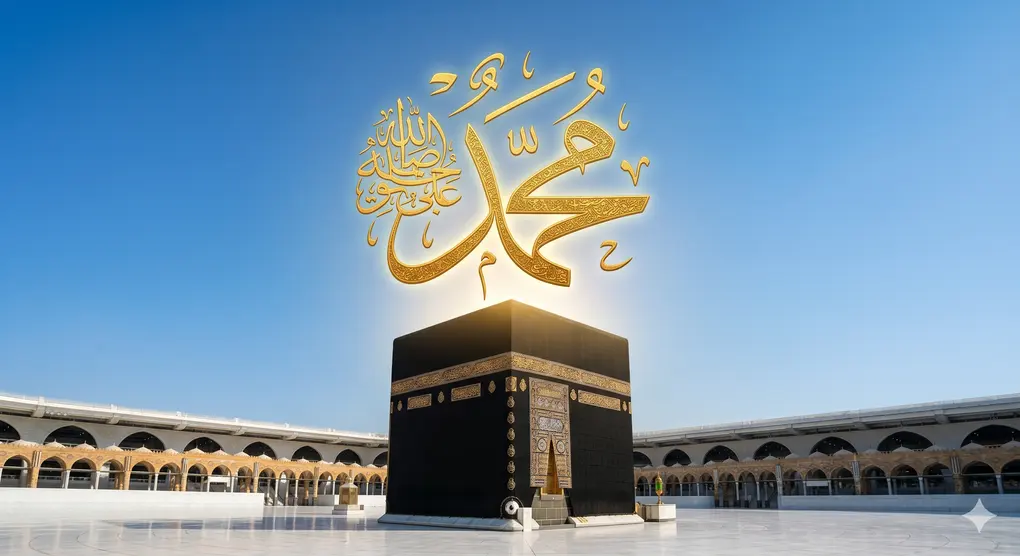
The advent of Prophet Muhammad (PBUH) brought mercy to the worlds and restored the pristine monotheism of Ibrahim. Hajj in Islam was cleansed of all polytheistic elements. Idols were destroyed, and pagan traditions were abolished, reinforcing the true meaning of Islam and its pillars.
When did the Hajj begin operating under pure Islamic law? This restoration culminated during the Farewell Pilgrimage (Hajj al-Wada) in the 10th year of Hijrah. During this monumental event, the Messenger of Allah (PBUH) demonstrated the complete and perfect rites of Hajj, instructing his followers: “Take your rituals of pilgrimage from me.”
Hajj Rituals: Commemorating Prophetic Legacies
Every ritual within the Hajj possesses profound historical and spiritual significance. The pilgrimage is largely a physical reenactment of the exemplary faith displayed by Prophet Ibrahim, his wife Hajar, and their son Ismail. By forming the correct intention for Ihram, a pilgrim steps out of their modern life and into this historical narrative.
The Historical Origins of the Rites (Manasik):
- Tawaf: Circumambulating the Kaaba seven times mirrors the angels circling Baitul Ma’mur in the heavens and honors the first house of worship established for humanity.
- Sa’i: Pacing seven times between the hills of Safa and Marwah physically commemorates Hajar’s desperate yet faithful search for water for the infant Ismail.
- Wukuf in Arafah: Standing on the plains of Arafah on the 9th of Dhu al-Hijjah is the pinnacle of Hajj. Historically, it is believed to be the location where Prophet Adam and Hawwa (Eve) were reunited on earth, and it is where Prophet Muhammad (PBUH) delivered his profound Farewell Sermon.
- Mabit in Muzdalifah and Mina: Spending the night in these locations provides spiritual preparation and rest.
- Stoning the Jamarat: Pelting the three pillars (Ula, Wustha, and Aqabah) with pebbles symbolizes Prophet Ibrahim’s definitive rejection of Satan, who attempted to dissuade him from fulfilling Allah’s command to sacrifice his son.
The Unbroken Continuity of the Hajj Pilgrimage
Affirming that the jurisprudence of Hajj began with Prophet Ibrahim is crucial. It demonstrates the unbroken continuity of monotheism (Tawhid) carried by all Prophets.
Since its purification by Prophet Muhammad (PBUH), the pilgrimage has been continuously observed by Muslims worldwide, fulfilling the mandatory conditions of Hajj. Despite historical challenges, plagues, or conflicts, the essence of the pilgrimage has remained fiercely protected by Islamic leadership throughout the centuries.
Conclusion: The Eternal Relevance of Hajj
The majestic and extensive history of Hajj illustrates its irreplaceable role in Islam. It transcends a mere physical journey; it is a profound spiritual transformation. The pilgrimage educates the soul on absolute equality, patience, immense sacrifice, and total submission to Allah (SWT).
Understanding the origins of these rituals allows a Muslim to deeply appreciate the virtues of Hajj. It transforms the rigorous physical actions into a heartfelt spiritual connection with the Prophets of the past, increasing the yearning to become an honored guest of Allah in the Sacred Land.
Frequently Asked Questions (FAQ)
Who originally built the Kaaba and initiated the first Hajj?
According to Islamic tradition, while the original foundation of the Kaaba may date back to the first humans, it was Prophet Ibrahim (AS) and his son Prophet Ismail (AS) who rebuilt the Kaaba. Following its construction, Allah commanded Prophet Ibrahim to proclaim the first Hajj to humanity.
What historical event does the Sa’i ritual commemorate?
The Sa’i, which involves walking and lightly running between the hills of Safa and Marwah, commemorates the historical struggle of Hajar, the wife of Prophet Ibrahim. It honors her unwavering trust in Allah and her desperate search for water for her infant son, Ismail, in the barren desert, which ultimately led to the miraculous springing of the Zamzam well.
When did Prophet Muhammad (PBUH) perform his Hajj?
Prophet Muhammad (PBUH) performed his definitive and final pilgrimage, known as the Farewell Pilgrimage (Hajj al-Wada), in the 10th year of the Hijri calendar (632 CE). During this pilgrimage, he finalized the rites of Hajj, purifying them of all pre-Islamic pagan practices and delivering his famous Farewell Sermon.
Academic References:
- Al-Azraqi, Abu al-Walid Muhammad ibn ‘Abd Allah. Akhbar Makkah wa Ma Ja’a Fiha min al-Athar. Edited by Rushdi al-Salih Malhas. 3rd ed. Beirut: Dar al-Andalus, 1983. Vol. 1, p. 175.
- Al-Alusi, Abu al-Fadl Shihab al-Din. Ruh al-Ma’ani fi Tafsir al-Qur’an al-‘Azim wa al-Sab’ al-Mathani. Edited by ‘Ali ‘Abd al-Bari ‘Atiyyah. 1st ed. Beirut: Dar al-Kutub al-‘Ilmiyyah, 1994. Vol. 9, pp. 136–137.


