
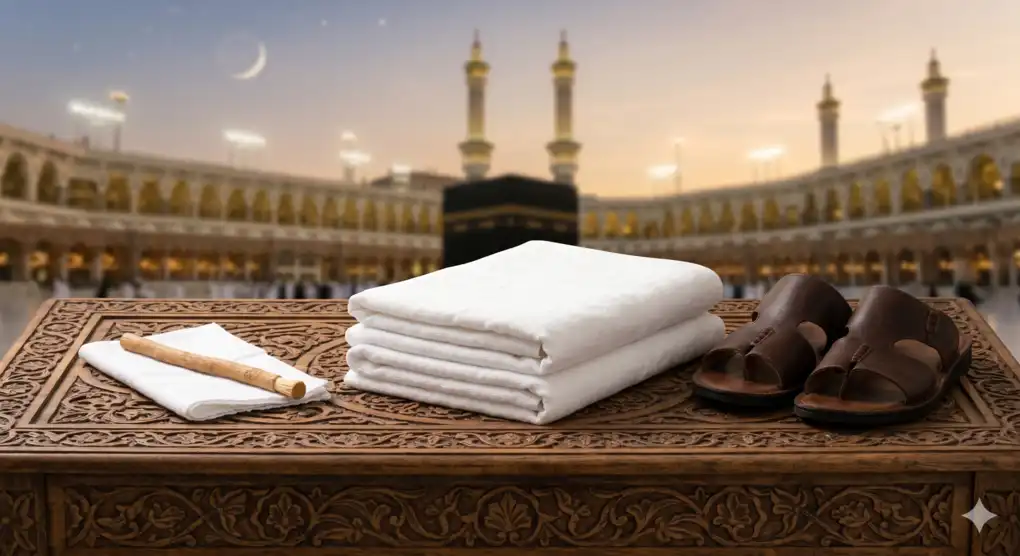
Entering the state of Ihram is the definitive starting point for the sacred pilgrimage. Rooted in a believer’s profound faith in Allah, this spiritual threshold introduces specific regulations that test a pilgrim’s discipline. Within this state, there are essential prohibitions of Ihram for both Hajj and Umrah that every Muslim—male and female—must rigorously observe.
These prohibitions are divinely legislated rules designed to safeguard the sanctity of the worship, demonstrate absolute submission, and reflect universal humility. To fully grasp the meaning of Hajj, one must understand these restrictions. This article provides a detailed academic exposition on the prohibitions of Ihram, utilizing the recognized Shafi’i jurisprudential text Al-Fiqh al-Manhaji (Vol. 2, pp. 133-135), complete with original Arabic excerpts, translations, and contextual explanations.
What Are the Prohibitions of Ihram?
The prohibitions of Ihram are specific actions that become legally forbidden (haram) once a person establishes the intention of Ihram for Hajj and Umrah. Governed by the legal definition of intention, these restrictions encompass attire, personal grooming, and environmental interactions.
The primary objective of these rules is to cultivate spiritual focus, strip away worldly luxuries, and fulfill the obligatory conditions for Hajj and Umrah. The foundational text from Al-Fiqh al-Manhaji outlines this clearly:
تحرم على المتلبس بالإحرام عشرة أشياء يجب أن يتجنبها سواء كان محرماً بحج أو بعمرة وهي
Translation: “There are ten things prohibited for the one who has entered the state of Ihram, which must be avoided whether one is in Ihram for Hajj or Umrah. They are:”
The 10 Specific Prohibitions of Ihram
Based on the legal foundation of Hajj and Umrah, the classical scholars have systematically categorized these ten restrictions:
1. Wearing Sewn Clothing (Exclusive to Men)
The prohibition of wearing form-fitting or sewn garments is exclusive to male pilgrims. The original text states:
لبس المخيط أو المحيط في جميع بدنه. وكالمخيط في الحرمة الحذاء المحيط بالرجل. بل يلبس في مكانة نعلاً لا يستر أطراف رجليه مما يلي الكعبين
Translation: “Wearing sewn garments or anything that surrounds the entire body. Included in this prohibition is footwear that surrounds the foot. Instead, a person in Ihram must wear sandals that do not cover the extremities of the feet up to the ankles.”
Men are forbidden from wearing shirts, trousers, buttoned garments, or shoes covering the ankles. This ruling strips away societal status, ensuring all men stand equal before Allah in two simple, unstitched white cloths.
2. Covering the Head (Exclusive to Men)
Male pilgrims are also restricted from covering their heads:
تغطية الرأس إلا من عذر، أو تغطية بعضه، سواء كانت وسيلة التغطية مخيطاً أو غيره كالعمامة والقلنسوة أو أي شيء ساتر. أما الاستظلال بجدر أو مظلة بحيث لا تلامس رأسه فلا مانع من ذلك.
Translation: “Covering the head, except due to a valid excuse, or covering a portion of it, whether the covering is sewn or unsewn, such as a turban, skullcap, or any covering object. However, taking shade under a wall or an umbrella in a way that does not physically touch the head is not prohibited.”
While men cannot wear caps or turbans, women are contractually obligated to maintain their standard hijab, covering their hair completely.
3. Combing or Arranging the Hair



Grooming that risks removing hair is legally disliked or prohibited depending on the outcome:
ترجيل الشعر، أي تسريحه، أيا كانت وسيلة ذلك مشطاً أو ظفراً أو نحوهما. هذا إن خيف سقوط شعر بسبب ذلك. فإن لم يخف فهو مكروه فقط.
Translation: “Combing the hair, meaning arranging it, using any means such as a comb, nails, or similar tools. This [is prohibited] if there is a fear that hair will fall out because of it. If there is no fear of hair falling out, it is merely disliked (makruh).”
4. Shaving or Plucking Hair
The removal of hair from any part of the body is strictly forbidden:
حلق الشعر أو نتفه، إلا إذا اقتضت الضرورة ذلك ونحوه. ويدخل في الحرمة قص بعض شعرة وذلك لصريح قول الله تعالى: {َلاَ تَحْلِقُواْ رُؤُوسَكُمْ حَتَّى يَبْلُغَ الْهَدْيُ مَحِلَّهُ} (البقرة: ١٩٦).
Translation: “Shaving or plucking hair, unless necessity dictates otherwise. Included in this prohibition is cutting even a portion of a hair, based on the explicit word of Allah the Exalted: ‘And do not shave your heads until the sacrificial animal has reached its place of slaughter’ (QS. Al-Baqarah: 196).” (Note: The reference to the sacrificial animal aligns with the rulings of Qurbani and Hady).
5. Cutting the Nails
Similar to hair removal, clipping nails is forbidden:
تقليم الأظافر، والمراد الجنس الذي يصدق بظفرٍ واحد أو بعض ظفر. وذلك قياساً على الشعر إلا أن يكون من عذر كأن انكسر ظفره وتأذي به فاضطر إلى قطعه.
Translation: “Clipping the nails, which applies generally to even a single nail or a portion of a nail. This is established through analogical deduction (qiyas) to the ruling on hair, unless there is an excuse, such as a broken nail causing pain, forcing one to cut it.”
6. Applying Perfume and Fragrances
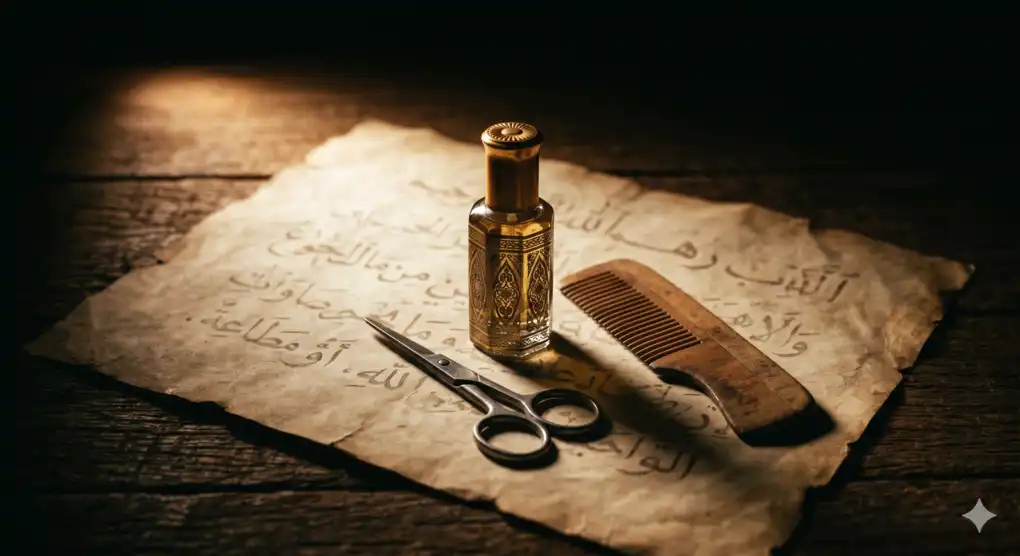
Applying any scent to the body or clothing after entering Ihram is prohibited. When taking a permissible shower, pilgrims must utilize plain, unscented types of water in Islam and avoid fragranced soaps.
التطيب: وذلك باستعماله عمداً في أي جزء من أجزاء بدنه، ومثله أن يمزج الطيب بطعام أو شراب فيطعمه، وأن يجلس أو ينام على فراش أو أرض مطيبين من غير حائل، ومثله أيضاً الغسل بصابون مطيب. وليس في حكم التطيب شم الورد، أو مائه في إنائه أو مغرسه. فلا يحرم ذلك.
Translation: “Applying perfume: This includes intentionally using it on any part of the body, mixing fragrance into food or drink and consuming it, sitting or sleeping on a perfumed bed or ground without a barrier, and bathing with scented soap. However, smelling a rose, or its water in a vessel or its plant, does not fall under the ruling of perfuming, and thus is not prohibited.”
Pilgrims should also be mindful of the standard supplications for entering and leaving the bathroom to maintain constant spiritual remembrance.
7. Hunting or Killing Wild Animals

The sanctuary of Ihram extends to wildlife:
قتل الصيد المأكول إذا كان برياً أو وحشيًا. ومثل القتل مجرد صيده بوضع اليد عليه والتعرض لشيء منه من جزء أو شعر أو ريش ونحو ذلك. وخرج بالبري صيد البحر، فلا يحرم على المحرم.
Translation: “Killing an edible game animal if it is a land-dwelling or wild creature. Similar to killing is merely hunting it by laying hands on it or interfering with any part of it, such as its hair or feathers. Excluded from ‘land-dwelling’ is seafood; thus, fishing is not prohibited for the one in Ihram.”
According to Al-Bayān fī Madhhab al-Imām al-Shāfiʿī, consuming hunted meat is prohibited if the animal was hunted specifically for the pilgrim or if the pilgrim assisted in the hunt in any capacity.
8. Conducting a Marriage Contract
The state of Ihram legally halts all marriage proceedings:
عقد النكاح سواء فعل المحرم ذلك لنفسه أو غيره بتوكيل منه لقوله – صلى الله عليه وسلم – فيما رواه مسلم وغيره: ” لا ينكح المحرم ولا ينكح “.
Translation: “Conducting a marriage contract, whether the person in Ihram does it for themselves or for another as a proxy, based on the saying of the Prophet ﷺ narrated by Muslim and others: ‘A person in Ihram may not marry, nor may they give another in marriage.'”
9. Sexual Intercourse
Intimacy invalidates the pilgrimage if it occurs before the first stage of exiting Ihram (Tahallul Awwal):
الجماع بأشكاله وأنواعه المختلفة، لصريح قوله تعالى: {الْحَجُّ أَشْهُرٌ مَّعْلُومَاتٌ فَمَن فَرَضَ فِيهِنَّ الْحَجَّ فَلاَ رَفَثَ وَلاَ فُسُوقَ وَلاَ جِدَالَ فِي الْحَجِّ} (البقرة: ١٩٧).
Translation: “Sexual intercourse in all its various forms and types, due to the explicit word of Allah the Exalted: ‘Hajj is [during] well-known months, so whoever has made Hajj obligatory upon himself therein, there is [to be for him] no sexual relations (rafath), no disobedience, and no disputing during Hajj.’ (QS. Al-Baqarah: 197).”
10. Foreplay or Touching with Desire
Any sexually motivated physical contact is strictly forbidden:
المباشرة بشهوة فيما دون الجماع، كلمس وقبلة ونحوهما، ومثلها الاستمناء باليد ونحوها، إذ كل ذلك داخل في الرفث الذي نهى الله تعالى عنه في الآية الكريمة المذكورة.
Translation: “Direct physical contact with desire that is less than intercourse, such as touching, kissing, and the like, as well as masturbation by hand or similar means; for all of this falls under the ‘rafath’ which Allah the Exalted has forbidden in the aforementioned noble verse.”
Gender-Specific Rules in Ihram
While most prohibitions apply universally, fiqh differentiates certain physical restrictions:
- For Women: Women are strictly prohibited from wearing a niqab (a veil that directly touches and covers the face) and gloves. Their faces and hands must remain exposed, though they must ensure the rest of their aurah is impeccably covered in loose, modest clothing.
- For Men: Men are prohibited from wearing form-fitting stitched clothing (like underwear or shirts), covering their heads with caps, and wearing shoes that cover the ankles.
Exceptions and Expiation (Fidyah)
Islamic law is built on mercy. If a prohibition is violated due to genuine medical necessity, ignorance, or coercion, the ruling adapts:
فإن لم يكن عالماً أو لم يكن مختاراً أو ألجأته إلى ذلك الضرورة، كمرض ألجأه إلى ستر رأسه أو حلق شعره، لم يحرم ووجبت الفدية.
Translation: “If one was not knowledgeable [of the ruling], or was not acting by free choice, or was forced into it by necessity—such as an illness that compelled him to cover his head or shave his hair—it is not deemed a sin (haram), but the expiation (fidyah) becomes obligatory.”
Conclusion
Understanding and internalizing the prohibitions of Ihram is an absolute prerequisite for anyone undertaking the sacred journey to Mecca. By carefully avoiding these ten restrictions, pilgrims protect their worship from nullification and demonstrate profound obedience to Allah. Preparing oneself with the authentic knowledge of Shafi’i jurisprudence ensures that the Hajj or Umrah is performed with pristine ritual purity, spiritual focus, and the highest hope for divine acceptance.
Frequently Asked Questions (FAQ)
What happens if I accidentally wear perfume or use scented soap while in Ihram?
If a pilgrim uses a scented product out of genuine forgetfulness or ignorance of the ruling, there is no sin upon them. However, they must immediately wash off the fragrance once they remember or are informed. According to the Shafi’i school, if done entirely by mistake, no expiation (fidyah) is required, provided it is removed promptly.
Can women wear stitched or sewn clothing during Ihram?
Yes. The prohibition against wearing sewn or form-fitting clothing (makhit) applies exclusively to men. Women are required to wear their normal, modest, stitched Islamic clothing (such as an abaya) that properly covers their aurah. Their specific clothing prohibitions are limited to face veils (niqab) and gloves.
Is it permissible to take a bath or shower while in the state of Ihram?
Yes, maintaining personal hygiene is perfectly permissible and encouraged. Pilgrims can take a shower to cool down or cleanse themselves. However, they must ensure two things: they must use completely unscented soap (or simply water), and they must wash their hair gently to avoid intentionally causing any hair to fall out.
Reference Notes:
Conceptual and textual excerpts are derived from Abū al-Ḥusayn Yaḥyā ibn Abī al-Khayr al-ʿImrānī, Al-Bayān fī Madhhab al-Imām al-Shāfiʿī, ed. Qāsim Muḥammad al-Nūrī (Jeddah: Dār al-Minhāj, 2000), 4:179; and Mustafa al-Khin, Mustafa al-Bugha, and Ali al-Syarbaji, Al-Fiqh al-Manhaji ‘alā Madhhab al-Imām al-Shāfi‘ī, vol. 2 (Damascus: Dār al-Qalam, 1992), pp. 133–135.


