5 Things That Invalidate Wudu: A Comprehensive Shafi’i Guide

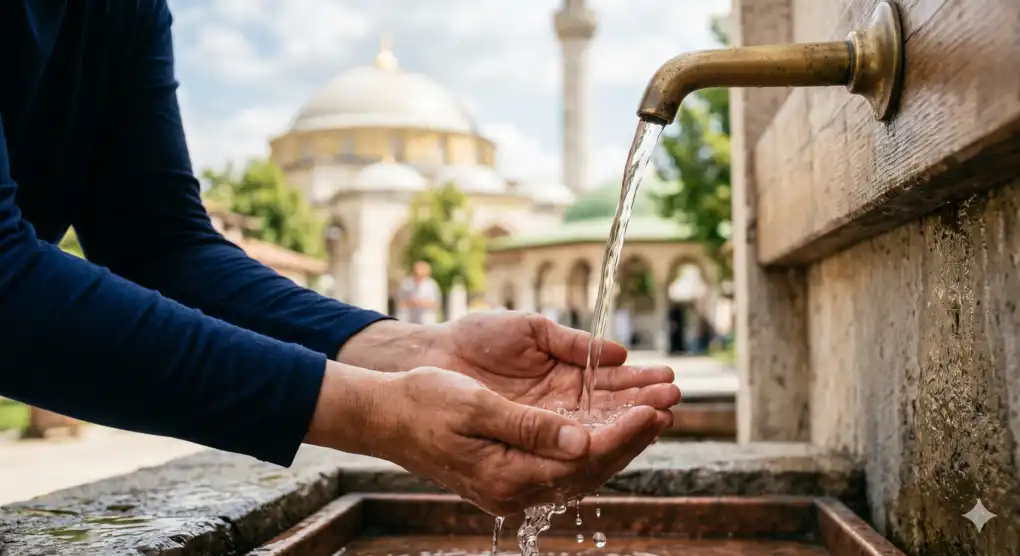
Hands cupping clear ablution water at a mosque’s wudu area, symbolizing the effort to maintain purity from things that invalidate wudu.

Wudu (ablution) is the Islamic method of purifying oneself before engaging in specific acts of devotion, such as the daily prayers (salah) and circumambulating the Kaaba (tawaf). Maintaining a valid state of purity is essential for these rituals to be accepted by Allah. However, certain human actions and conditions break this state. This article provides … Read more

The Complete Guide to the Rules of Istinja with Stones and Istijmar

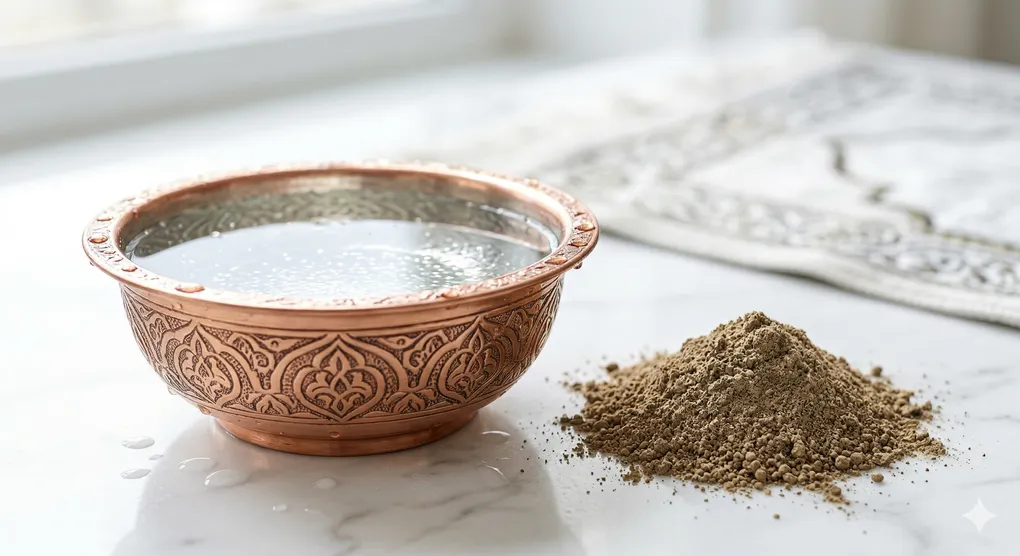
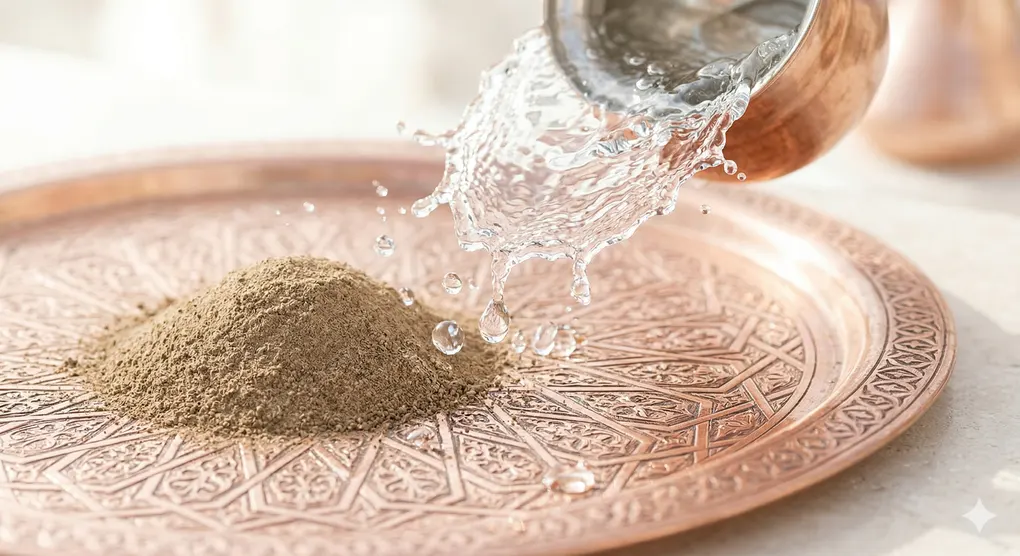
Illustration showing stones used for istijmar and a book explaining the requirements of purification in Islam.

Cleanliness serves as a fundamental pillar in Islamic teachings and remains a primary condition for the validity of a Muslim’s worship. The most basic form of maintaining physical purity involves the concept of taharah after relieving oneself. While various types of water in Islam are the primary and superior means for purification, Islam is a … Read more

How to Handle and Purifying Well Water Contaminated by Najis: Insights from Asna al-Matalib

A man points to an open page of Asnā al-Maṭālib on a table beside an old stone well. In the background, someone is pouring clean water from a large bucket into the well, illustrating the process of purifying the water.

Have you ever experienced an unpleasant situation while preparing for ritual purification (thaharah)? For instance, while drawing water from a well, you suddenly find a dead lizard, a mouse, or other impurities (najis) inside. Doubt immediately creeps in. Is this water still valid for wudu (ablution)? Must the well be completely drained until it is … Read more

Touching a Translated Quran While in a State of Impurity (Hadath): A Shafi’i Fiqh Perspective

Two Qurans on a wooden library table; on the left, a pure Arabic mushaf on a wooden stand, on the right, an open translated Quran.

In the daily lives of Muslims, reading the words of Allah Subhanahu wa Ta’ala is a noble act of worship. The Prophet Muhammad ﷺ highly encouraged his Ummah to consistently interact with this holy book. Contemporary practices show a widespread use of books that place the Quranic verses alongside their translations in local languages or … Read more

Rules of Junub in Shafii Fiqh: A Daily Jurisprudence Guide

An open classical Arabic fiqh manuscript resting on a wooden desk alongside a copper water pitcher and prayer beads under soft morning light.

Maintaining physical purity and spiritual clarity is a fundamental principle in Islamic law (Shari’ah). A servant who preserves their station (Maqam) of obedience before Allah is always cautious about their state of purity. Just as the stain of sin is removed through sincere repentance (Tawbah Nasuha), the state of major impurity (janabah)—which stems from various … Read more

Does Vomiting Break Fasting? A Detailed Fiqh Analysis

vomit while fasting: Neatly dressed Muslim man holding his stomach, feeling nauseous while fasting during the day.

Fasting (al-ṣawm) is a profound act of worship. It trains us to exercise self-restraint (al-imsāk) from anything that invalidates the fast, from dawn to sunset. However, human physical condition is not always perfect. Sometimes, nausea caused by illness, motion sickness, or indigestion strikes suddenly during the day in Ramadan. This condition often leads to a … Read more

The Sunnah of Ghusl and Its Etiquette in Shafi’i Fiqh: A Prophetic Guide

An aesthetic still-life photograph of an open classical Arabic fiqh manuscript, next to an antique copper dipper filled with crystal-clear water and a pristine white towel, symbolizing Islamic purification and academic knowledge.

The performance of worship in Islam is not merely about discharging obligatory duties (fardh). A servant who desires a high spiritual station (Maqām) before Allah the Almighty always adorns their deeds with sunnah and proper etiquette (adab). In the context of purification from major ritual impurity (Thaharah), fulfilling the pillars of the obligatory bath ensures … Read more

Does Slight Penetration or Sexual Intercourse Require Ghusl? Shafi’i Fiqh Boundaries

An aesthetic close-up photograph of classical yellowed Fiqh books on a wooden desk, with one open book displaying Arabic text on Mandi Wajib and penetration, pointed with a quill pen.

Married life demands precise religious understanding, particularly concerning Thaharah (purification) from major ritual impurity (hadath al-akbar). A servant’s prayers and recitation of the Qur’an are legally invalid if they have not performed the major obligatory bath (Ghusl) when required. Therefore, attaining a deep understanding of purification is crucial for every Muslim. One private matter that … Read more

The Meaning of Thaharah: Significance, Rulings, and Its Importance in Islam

A modestly dressed Muslim woman in a proper hijab sitting reverently, holding a Quran in a bright mosque.

Thaharah is a fundamental concept in Islamic teachings that is inextricably linked to cleanliness and purity. For Muslims, understanding the meaning of thaharah goes far beyond merely maintaining physical cleanliness; it comprehensively encompasses the purity of the heart and soul. Before delving deeper, it is essential to realize that this teaching is an inseparable part … Read more

The Ruling on Ghusl After Using a Condom According to Shafi’i Fiqh

An aesthetic still-life photograph showing an open classical Arabic fiqh manuscript beside a beautiful copper bowl filled with crystal clear water and a neatly folded clean white towel, symbolizing Islamic jurisprudence leading to physical purification (Thaharah).

Islamic law governs all dimensions of human life with a highly organized system, ranging from social transactions (mu’amalah) to the most private matters within a household. Maintaining physical and spiritual purity through the act of Thaharah is a fundamental obligation so that a servant is worthy of conversing with Allah the Almighty. If you are … Read more