Complete Guide to Ghusl Janabah: Intention, Method, and Causes in Shafi’i Fiqh
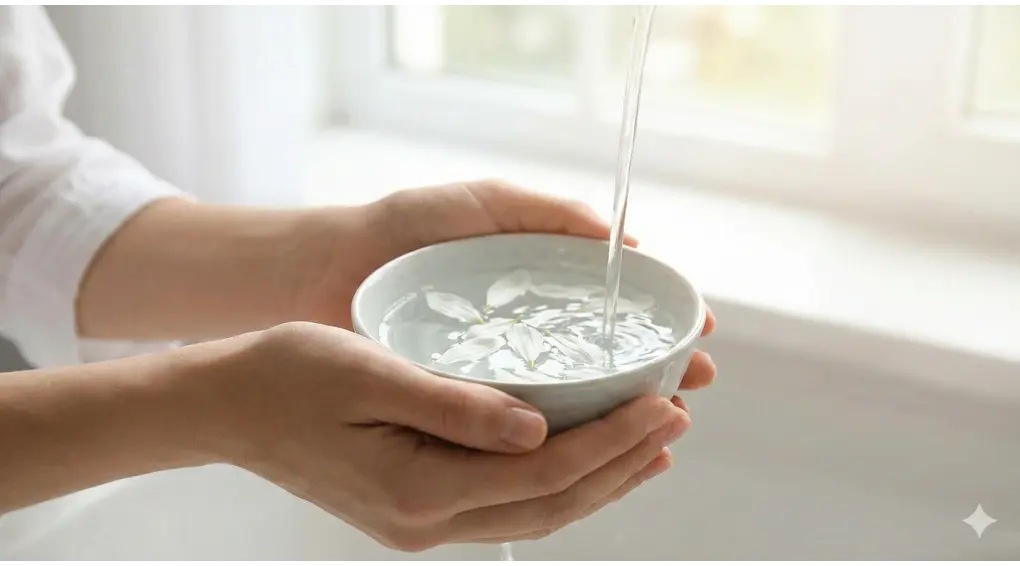
A person's hands holding a ceramic bowl filled with clear water and floating white flower petals, under a gentle stream from a faucet and bright window light.

Spiritual and physical purity stands as a fundamental pillar in the performance of Islamic worship. Understanding the profound meaning of thaharah (purification) is the essential first step for every Muslim. One primary method of purifying oneself from major ritual impurity (hadats akbar) is through major ablution, widely known as Ghusl Janabah or mandi wajib. This … Read more
3 Acts of Worship That Require Wudu in Islam (Explanation from al-Fiqh al-Manhaji)

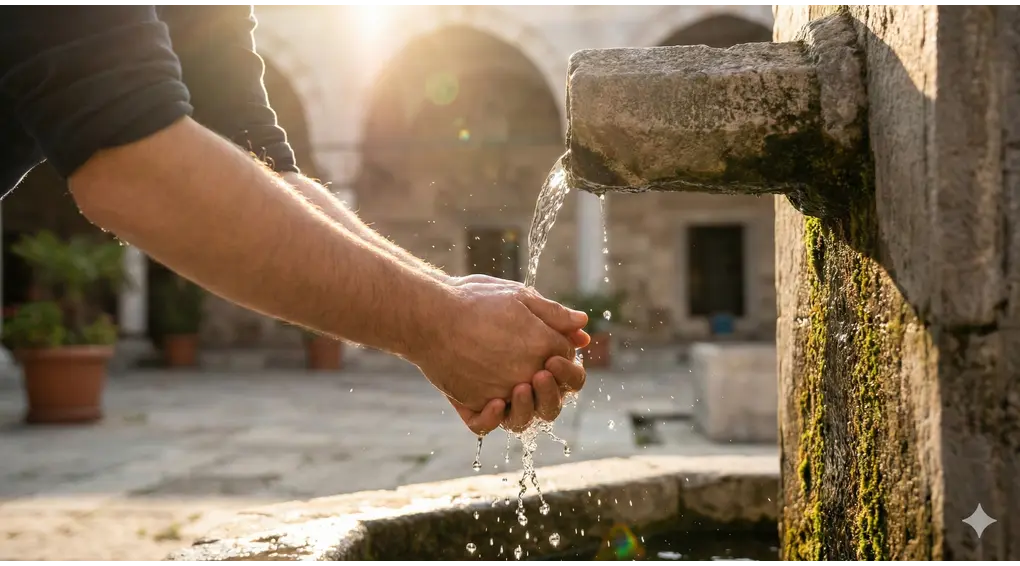
Close-up of a person's hands performing wudu (ablution) with clear flowing water at an ancient mosque stone basin during a golden sunset.

Wudu (ablution) is one of the most essential conditions of spiritual purity (Thaharah) in Islam. In Islamic jurisprudence, wudu is not merely a physical act of washing body parts; it possesses a profound spiritual dimension designed to prepare a believer to stand before Allah SWT. But specifically, what are the acts of worship that require … Read more

A Complete Guide to Performing Ghusl (Ritual Bath) After Menstruation According to Classical Fiqh

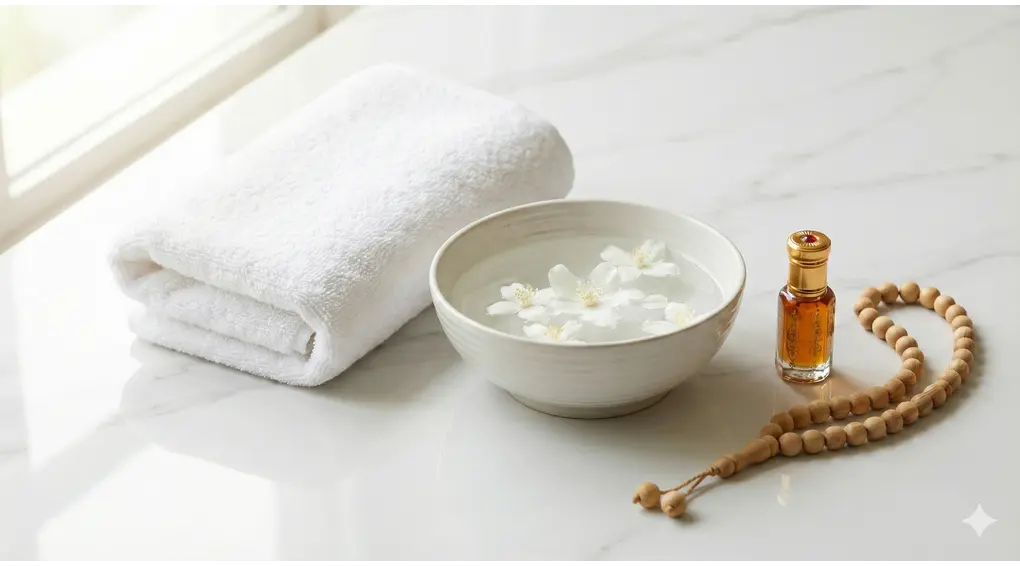
A serene flat-lay photograph on marble showing items symbolic of Islamic purification: a clean white towel, a bowl of water with flowers, a small bottle of musk perfume oil, and tasbih prayer beads.

Every Muslim woman strives for her worship to be valid and accepted by Allah ﷻ. One of the fundamental requirements to resume worship after a menstrual period is purification. However, doubts often arise: Is the mandatory bath we perform after menstruation actually valid? Has the water truly reached every required part of the body? Performing … Read more

Rules for Public Bathhouses (Hammam, Sauna, Gym) in Islam (Asna al-Matalib)

A Muslim man in traditional robes stands at the entrance of a steamy, architecturally distinctive hammam, pausing for reflection and adab before entering.

Have you ever visited a hot spring, sauna, or shower room in a fitness center (gym)? In classical Islamic literature, places like these are known as Hammam. Although their function is to cleanse oneself, these places have their own set of rules that often escape our attention. Early scholars were very meticulous in discussing ethics … Read more

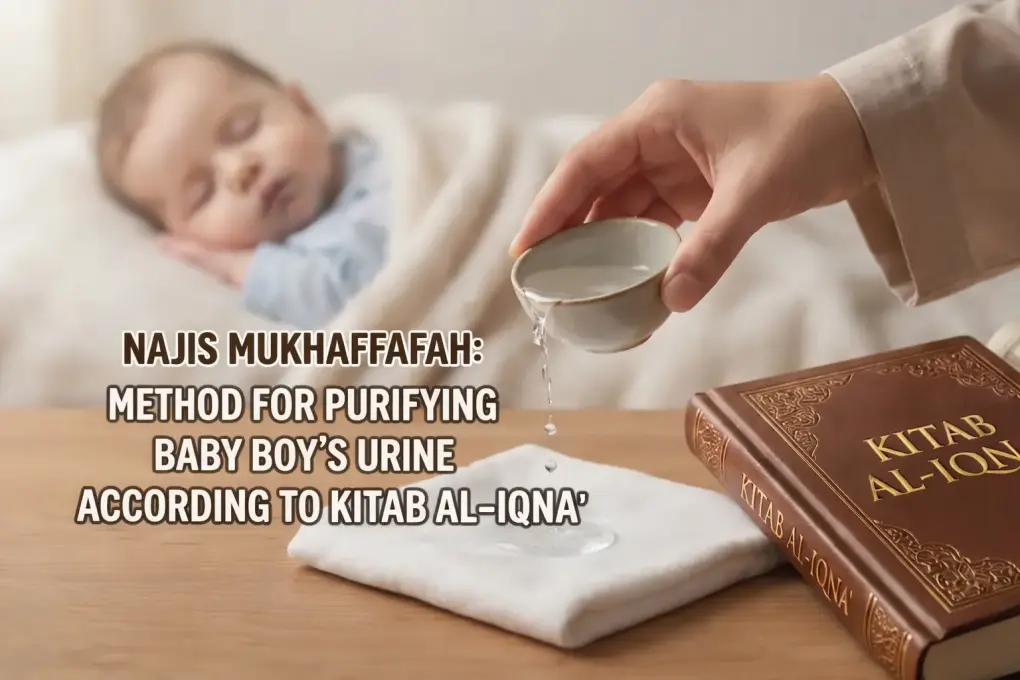
Understanding Najis Mukhaffafah: How to Purify Baby Boy Urine in Shafi’i Fiqh

Illustration explaining how to purify baby boy urine according to Islamic jurisprudence (najis mukhaffafah).

For new parents, managing diapers and infant urine is a daily reality. Amidst the busyness of caring for a little one, Islam provides profound ease and practicality in various aspects of worship, particularly concerning thaharah (ritual purity). One of the most frequently asked questions regarding these dispensations involves the urine of a baby boy. Many … Read more

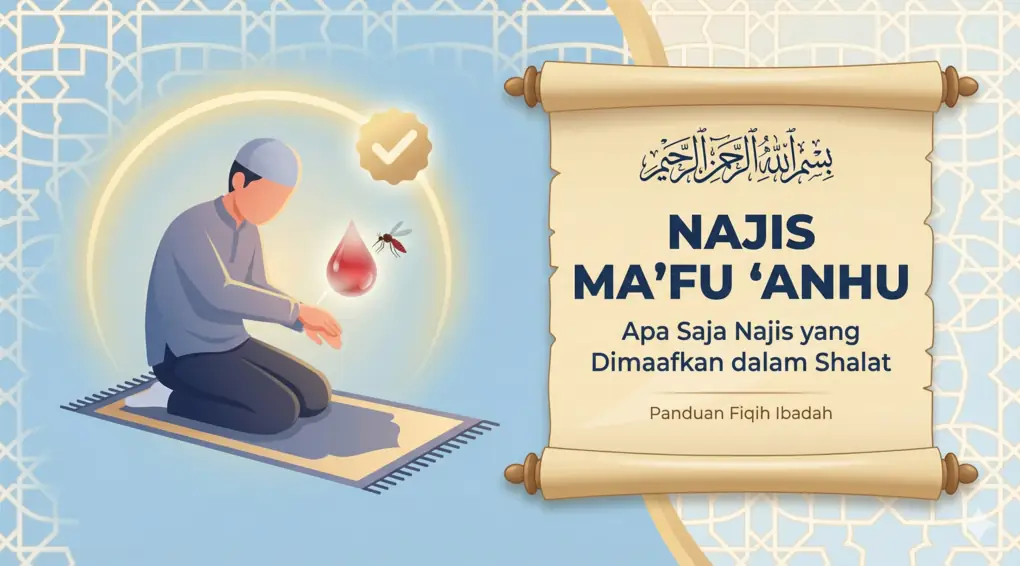
Excused Najis in Prayer: What Impurities Are Pardoned According to Al-Iqna’?

Ilustrasi muslim sedang shalat dengan teks Najis Ma'fu 'Anhu, panduan fiqih tentang darah nyamuk dan jerawat yang dimaafkan

Have you ever felt anxious right before praying because you noticed a tiny bloodstain from a mosquito bite on your sleeve? Or perhaps a pimple on your face popped unexpectedly during Wudu, leaving you confused about whether you must wash your entire face again or simply ignore it? In the study of Fiqh, specifically within … Read more

Is Intention (Niyyah) Required for Istinja? Fiqh Ruling & Explanation

Is Intention Required for Istinjāʾ?

Istinjā’, or cleansing the private parts and anus after urination or defecation, is an important part of ṭahārah (ritual purity) in Islam. It is an initial step before a Muslim can perform acts of worship that require purity from ḥadath, such as ṣalāt. However, a question arises in the minds of some people: does Istinjā’ … Read more

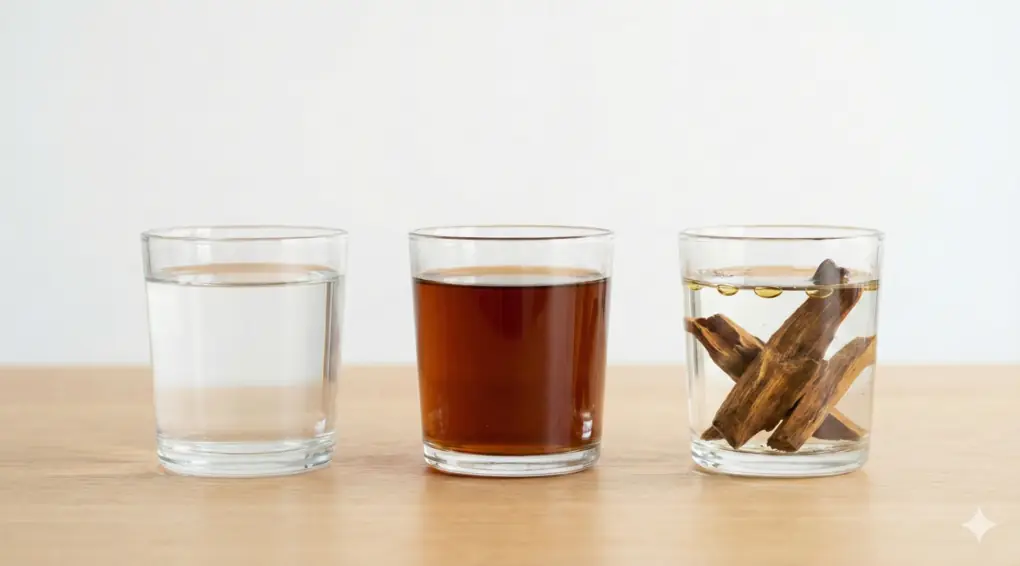
The Fiqh of Mutaghayyir Water: Distinguishing Mukhalith and Mujawir Changes

Perbandingan tiga gelas berisi air mutlak, air berubah warna (teh), dan air bercampur minyak untuk ilustrasi fiqih air mutaghayyir.

Have you ever noticed the water in your bathtub smelling slightly of soap? Or perhaps you have seen a pond turn green due to algae? In such situations, a common question often arises in our minds: “Is this water still valid for performing Wudu?” Within Shafi’i jurisprudence, an essential chapter regarding the types of water … Read more

Musta’mal Water in Islam: Intention, Children, and the “Ightiraf” Dilemma

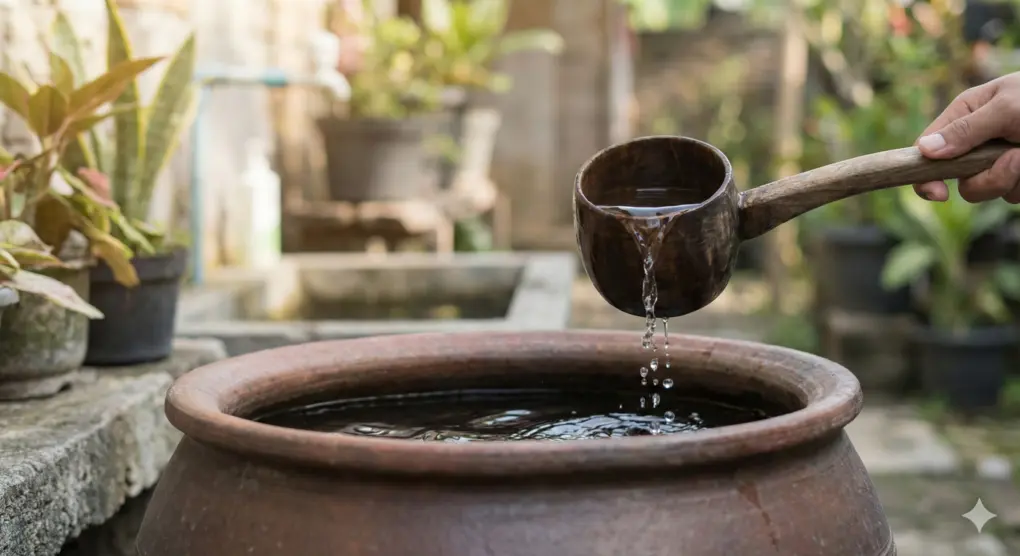
Tangan seseorang mengambil air wudhu dari ember tanah liat menggunakan gayung kayu.

In our daily lives, we frequently perform wudu (ablution) using a small bucket or a modestly sized bathtub. Unbeknownst to many, that clear water might have transformed into Musta’mal water (one of the types of water in Islam and their usages). Consequently, our wudu or obligatory bath becomes invalid, and our prayers are not accepted. … Read more

The Essence of Mutlaq Water: Why Only Water Can Purify in Islam?

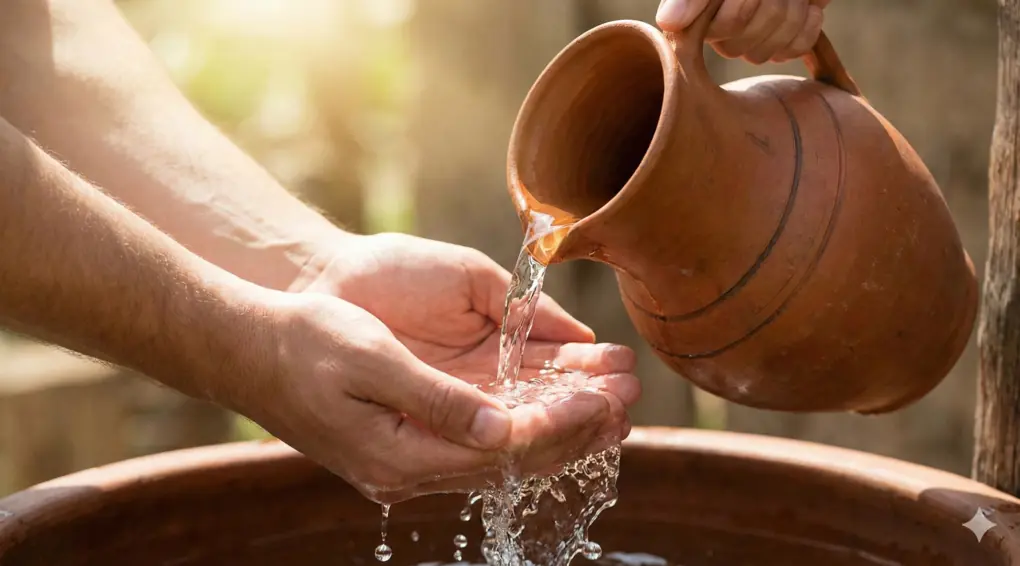
Tangan menampung air wudhu yang jernih dan suci dari kendi tanah liat tradisional.

In Islamic jurisprudence (fiqh), purification (understanding thaharah) is the gateway to all acts of worship. We frequently hear the term “Mutlaq Water” (absolute or pure water) as the primary condition for the validity of wudu (ablution) and the obligatory bath (ghusl). However, has it ever crossed your mind why it must specifically be water? Why … Read more