
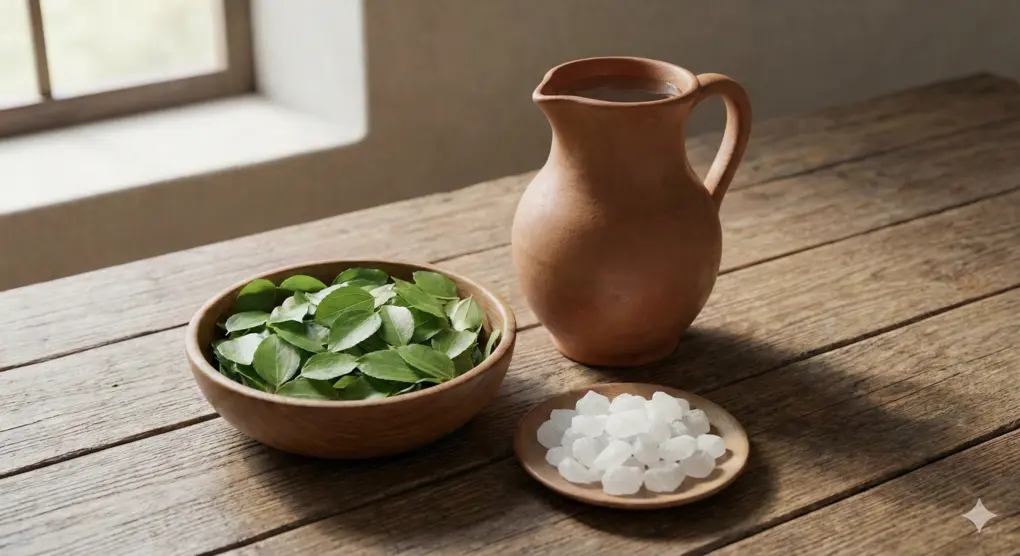
When preparing the equipment for bathing the deceased according to fiqh, families and caretakers frequently experience confusion. Some boil water until it is scalding, others frantically search for sidr (lote tree leaves), while many simply wonder: “Should the water be warm or cold?”
This question transcends a mere technicality. In Islam, the treatment of the deceased’s body serves two paramount objectives: ritual purification according to the Sharia, and preserving the physical condition of the corpse so it does not rapidly decompose before burial.
Selecting the incorrect water temperature or erroneously mixing the ingredients can yield detrimental results, such as the peeling of the deceased’s skin or accelerated bodily decomposition. This article will thoroughly dissect the secrets regarding the water for washing the deceased based on the classical text Asna al-Matalib, covering everything from temperature regulations to the prophetic herbal mixtures like sidr and camphor.
1. Cold Water vs. Warm Water: Which is Superior?
There is a prevalent misconception in many communities that one must use warm water to bathe the deceased as a gesture of compassion, ensuring the corpse does not feel cold. In reality, Islamic jurisprudence (fiqh) possesses a highly logical medical perspective regarding this matter.
The Default Ruling: Cold Water is Superior
According to the text Asna al-Matalib, the optimal standard for the water for washing the deceased is cold water (meaning normal, cool room or well temperature), not warm water.
Why? Because cold water possesses an astringent quality (yashuddu) that tightens the flesh and skin. A lifeless body inherently loses its skin elasticity. Cold water actively helps maintain the body’s firm texture, preventing it from becoming flaccid.
Shaykh Zakariyya al-Ansari explains:
قوله: (ويغسل ببارد) لأنه يشد البدن بخلاف المسخن فإنه يرخيه
“And they are washed with cold water, because cold water tightens the body, unlike heated (warm) water, for it loosens it (makes it flaccid).”
When is Warm Water Permissible?
The use of warm water is not absolutely prohibited, but it is deemed disliked (makruh) if used without a valid reason. However, warm water becomes permissible, and even recommended, in cases of necessity, such as:
- Extreme Weather: Freezing cold weather that could inflict severe hardship upon the caretakers performing the washing.
- Stubborn Filth: The presence of filth (such as oil, dried blood, or heavy grease) that is exceedingly difficult to remove when scrubbed with cold water.
قوله: (ما لم يحتج المسخن) … (لوسخ وبرد ونحوه) فإن احتيج إليه فهو أولى
“As long as heated water is not needed… for dirt, cold weather, or the like. But if it is needed, then heated water is superior.”
Crucial Note: If you are forced to use warm water, ensure it is merely lukewarm, never excessively hot. Hot water will drastically accelerate the decomposition process and cause the deceased’s fragile skin to peel off easily during scrubbing.
2. The Secrets and Benefits of Sidr Leaves
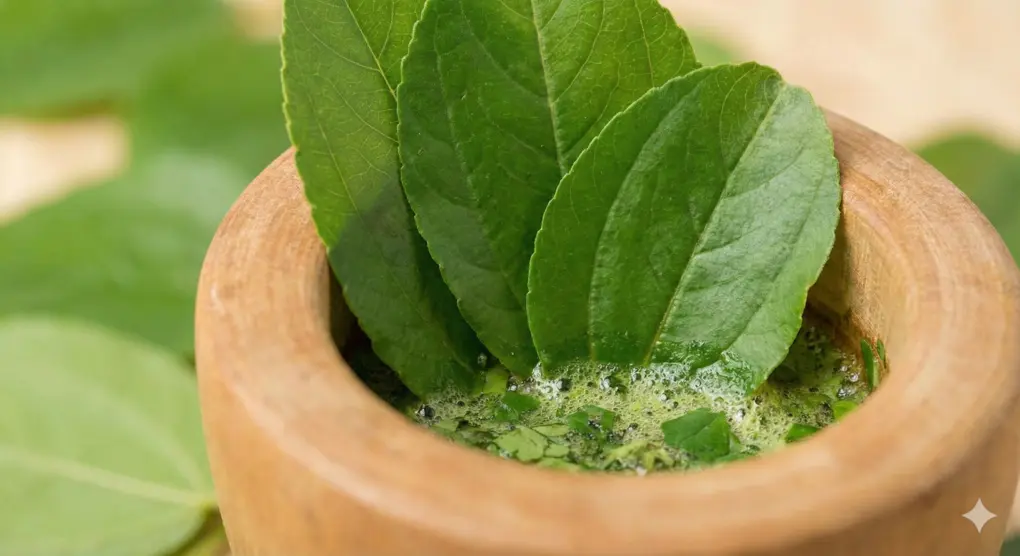
You have likely heard the term “sidr water” during funeral proceedings. The use of sidr leaves (Ziziphus mauritiana or Lote tree leaves) is not a mere cultural tradition; it is a direct prophetic sunnah serving a highly specific function.
In the complete procedures of preparing the deceased, sidr functions as a natural, organic soap. In ancient times, before the advent of chemical bar soaps, crushed and squeezed sidr leaves in water would produce a rich lather containing natural saponins. This lather is incredibly effective at lifting grime and dirt without damaging the corpse’s skin.
When is Sidr Water Used?


Sidr water is utilized during the initial pourings or the primary cleansing washes.
قوله: (ويستحب أن تكون) … (هذه الغسلة بالماء والسدر)
“And it is recommended that… this wash be with water and sidr.”
Its primary function is purification (tanzif). The sidr lather is gently rubbed over the deceased’s entire body, hair, and beard. If sidr leaves are completely unavailable, ordinary bath soap is a legally valid substitute, although sidr remains vastly superior due to its intrinsic sunnah value.
3. Camphor (Kafur): The Final Touch
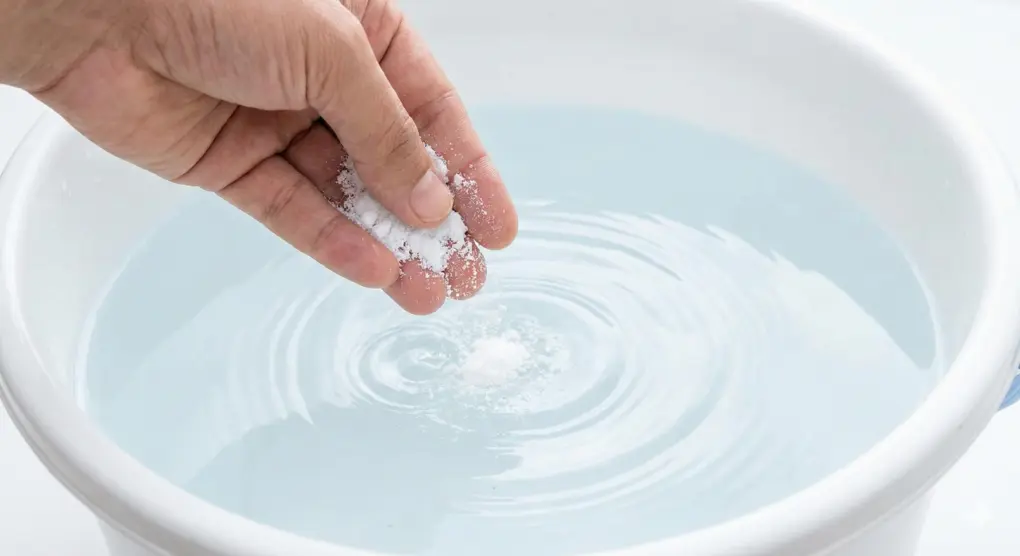
The next mandatory ingredient is camphor (kafur). These are white crystals possessing a distinct, penetrating aroma and inherently cooling properties. The benefits of sidr and camphor are entirely distinct; while sidr is utilized for cleansing, camphor is specifically employed for preservation.
When is Camphor Used?
Camphor MUST NOT be mixed into the water at the beginning. It is strictly reserved for the final, concluding pour.
In Asna al-Matalib, it is explicitly stated:
قوله: (ويجعل في كل واحدة من) … (كافور أو) هو (في الأخيرة آكد) … (لتقويته البدن ودفعه الهوام)
“And place camphor in each one of the washes (according to one opinion), or it is more emphasized in the final one… because it strengthens the body and repels insects.”
The Vital Functions of Camphor:
- Preserving & Cooling: The inherently cold nature of camphor significantly helps in retarding the physical decomposition of the corpse.
- Repelling Insects: Its sharp, pungent aroma is highly detested by ants, flies, and subterranean insects, ensuring the deceased remains protected within the grave (laḥd).
- Fragrance: It imparts a fresh scent that effectively masks any unpleasant odors emanating from the deceased.
How to Use it: Finely crush the camphor crystals, then dissolve them into a bucket of pure (mutlaq) water. Utilize this specific water to pour over the deceased’s entire body as the ultimate, concluding rinse. Do not rinse the body with clean water again after this step.
4. Zamzam Water: Is it Permissible to Use?
Occasionally, a family might possess Zamzam water and desire to honor the deceased by washing them with it. However, one must exercise profound caution.
According to the established view in Asna al-Matalib, it is not recommended (makruh) to use Zamzam water for bathing the dead.
ولا ينبغي أن يغسل الميت بماء زمزم للخلاف في نجاسته بالموت
“And it is not appropriate to wash the deceased with Zamzam water due to the disagreement regarding their impurity through death.”
The underlying reason is to maintain the utmost respect for the nobility of Zamzam water, as there is a jurisprudential disagreement (khilaf) regarding the physical impurity (najis) status of a corpse. Furthermore, the runoff water from washing the dead mixes with filth. It is highly inappropriate for water as noble as Zamzam to be discarded as contaminated wastewater. For more details on this, see the ruling on purifying najis with Zamzam water. Instead, use Zamzam water for seeking blessings (tabarruk) by sprinkling a minute amount over the burial shroud (kafan), rather than using it to wash away grime.
Summary Guide: Types of Water & Timing of Use
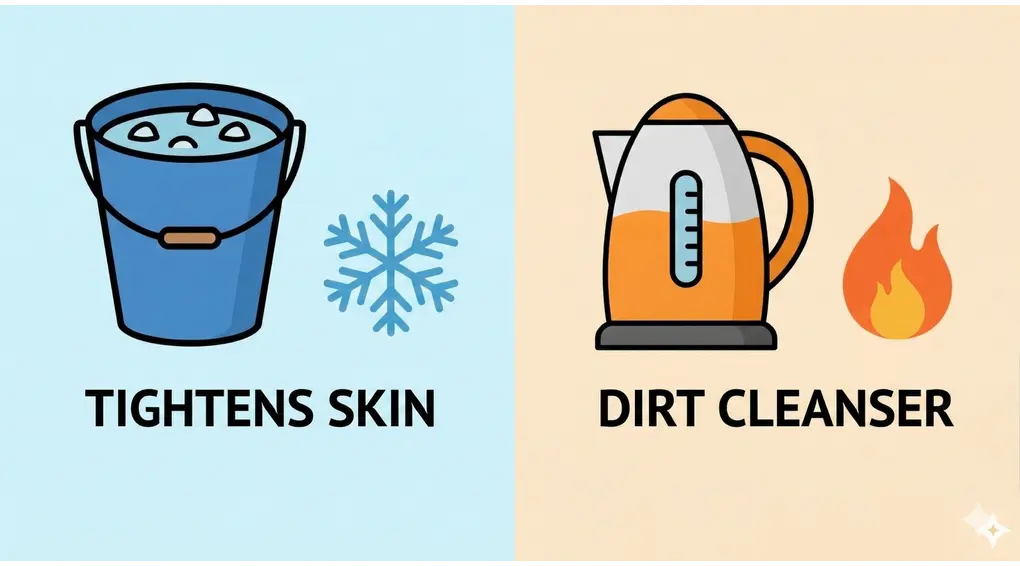
To prevent any mix-ups during this critical process, please retain this practical guide:
| Type of Water | Time of Use | Primary Function | Fiqh Note |
| Cold Water (Normal) | Throughout the process | Tightens the deceased’s skin | Most superior (Sunnah) |
| Warm Water | Emergency Conditions | Cleanses stubborn grease/dirt | Makruh if used without cause |
| Water + Sidr/Soap | Initial Wash (First) | Cleanses dirt & grime | Gently rubbed onto the body |
| Pure Water (Mutlaq) | Middle Wash (Second) | Rinses off soap/sidr residue | Ensure total cleanliness |
| Water + Camphor | Final Wash (Third) | Preserves & repels insects | Do not rinse afterward |
FAQ: Frequently Asked Questions About Ghusl Water (Water for the Deceased)
What should we do if we cannot find sidr leaves?
There is no need to panic. Using sidr leaves is a sunnah (a perfecting act). If they are completely unavailable, you can readily substitute them with ordinary bar soap or liquid soap. The ultimate objective remains identical: thorough cleansing of dirt.
How much camphor should be used?
Use a sufficient, moderate amount. Ensure the final rinse water carries the distinct fragrance of camphor, but it should not be so highly concentrated that it clumps or crystallizes on the deceased’s skin. If it is too thick, it will leave unsightly white patches on the skin.
Is it permissible to use ice water?
If you mean ordinary cold water (room or well temperature), that is absolutely the best choice. However, if you intend to use literally freezing ice water, that is excessive and can inflict unnecessary hardship upon the caretakers. Simply utilize cool tap or well water.
Is the runoff water from washing the deceased considered impure (najis)?
Yes, water that has been used and has altered in color, smell, or taste due to the deceased’s filth is legally ruled as impure (najis). Therefore, ensure the drainage system is unobstructed and caretakers wear rubber boots to protect themselves from splashes of contaminated water.
Conclusion
Managing the water for washing the deceased correctly requires a harmonious combination of fiqh knowledge and an understanding of human physical conditions. By utilizing cold water, sidr, and camphor at precisely the right moments, we execute the finest effort to preserve the dignity and honor of the deceased’s body.
Now that you comprehend this water mixture, it is vital to understand the immediate actions required before the washing even begins. Discover the crucial steps in our guide: Mandatory and Sunnah actions immediately after someone passes away.
May Allah grant us deep understanding and immense ease in tending to the deceased of our fellow Muslims. Wallahu a’lam bish-shawab.
Reference
al-Anṣārī, Zakariyā. Asnā al-Maṭālib fī Sharḥ Rawḍ al-Ṭālib. With a ḥāshiyah by Aḥmad al-Ramlī. Edited by Muḥammad az-Zuhrī al-Ghamrāwī. Cairo: al-Maṭbaʿah al-Maymānīyah, 1313 H. Reprinted by Dār al-Kitāb al-Islāmī.


