The Complete Guide to Islamic Funeral Rites (Tajhiz al-Janazah) According to Shafi’i Fiqh
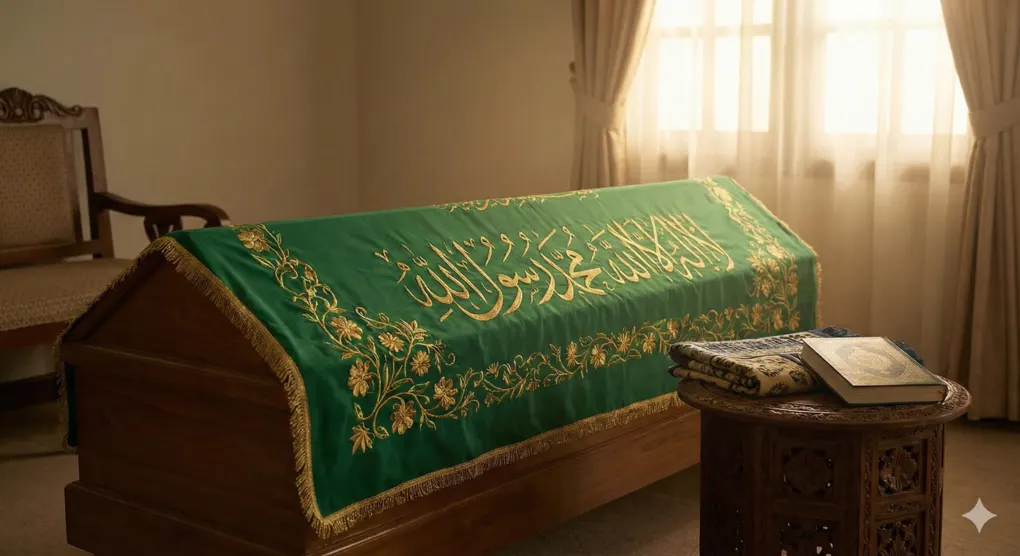
Complete Guide to Caring for the Deceased: A wooden funeral bier covered with a green cloth embroidered with golden Arabic calligraphy reading “Laa ilaha illallah Muhammad Rasulullah,” placed in a calm room with soft natural sunlight, symbolizing the sacred process of tajhiz al-janazah (preparing the deceased for burial).

Death is an absolute certainty that will inevitably approach every living creature. In Islam, the profound respect afforded to a human being does not terminate the moment the soul departs from the physical body. The body of a Muslim possesses an inherent sanctity and honor (hurmah) that must be meticulously preserved by the living. This … Read more


4 Crucial Things to Do Immediately After a Person Dies (First Aid for the Deceased)

A quiet atmosphere in a bedroom, with the deceased already covered in a long batik cloth from head to toe, illustrating the initial preparations for caring for the body before it is washed.

The profound moment after the final breath ceases is simultaneously the most silent and the most disorienting time for a family. Tears may shatter the silence, yet beneath that intense grief, a monumental responsibility awaits. Frequently, out of sheer panic, families simply abandon the deceased’s body until the professional funeral preparers arrive. However, there is … Read more

Minimum vs. Perfect Standards: How to Wash a Dead Body in Islam According to Fiqh

Suasana persiapan area pemandian jenazah yang tenang, terlihat dipan kayu beralas kain putih dan ember berisi air bersih, melambangkan tata cara memandikan jenazah yang khidmat.

Many individuals experience profound nervousness or fear when asked to participate in washing a deceased person. A massive anxiety looms: “What if I make a mistake? What if the washing is invalid?” In reality, Islam is a religion fundamentally built upon ease. During emergency circumstances (such as a severe water shortage, a body in poor … Read more

The Fiqh Ruling on Intercourse, Masturbation, and Kissing While Fasting

Pasangan suami istri Muslim duduk berjarak membaca Al-Qur'an di ruang tamu yang terang pada siang hari bulan Ramadhan, simbol menahan diri.

Observing the fast is not merely about enduring hunger and thirst. For many individuals, the most formidable challenge lies in the ability to control their desires and carnal lust (shahwah). Questions frequently arise, particularly among young married couples: “To what extent is physical intimacy permissible during the day?”, “Does unintentionally looking at the opposite sex … Read more

The Proper Use of Cold Water, Warm Water, Sidr, and Camphor in Washing the Deceased

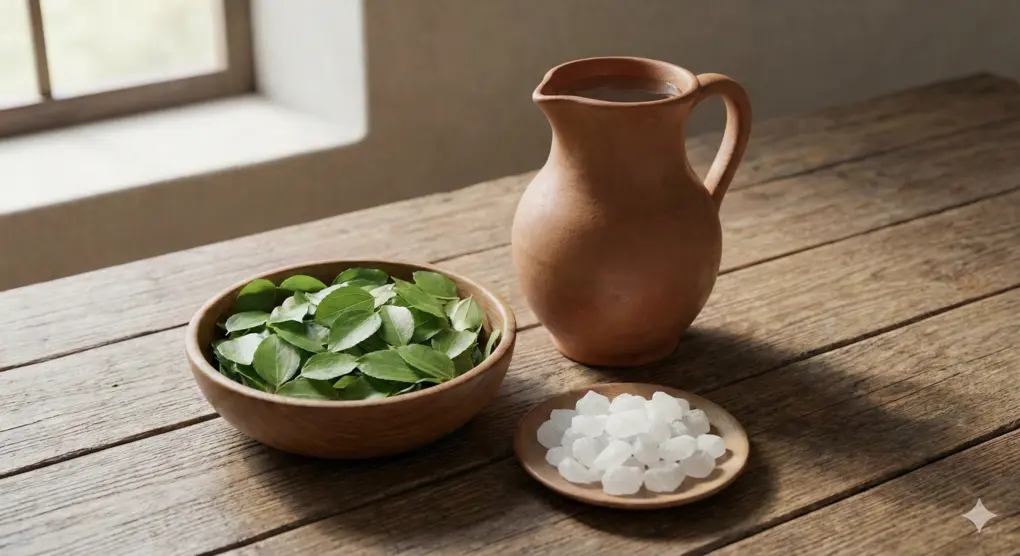
Ghusl Janazah essentials: a water pitcher, a wooden bowl of fresh Sidr leaves, and camphor crystals on a sunlit wooden table.

When preparing the equipment for bathing the deceased according to fiqh, families and caretakers frequently experience confusion. Some boil water until it is scalding, others frantically search for sidr (lote tree leaves), while many simply wonder: “Should the water be warm or cold?” This question transcends a mere technicality. In Islam, the treatment of the … Read more

Things That Invalidate Fasting: A Comprehensive Guide (Asna al-Matalib)

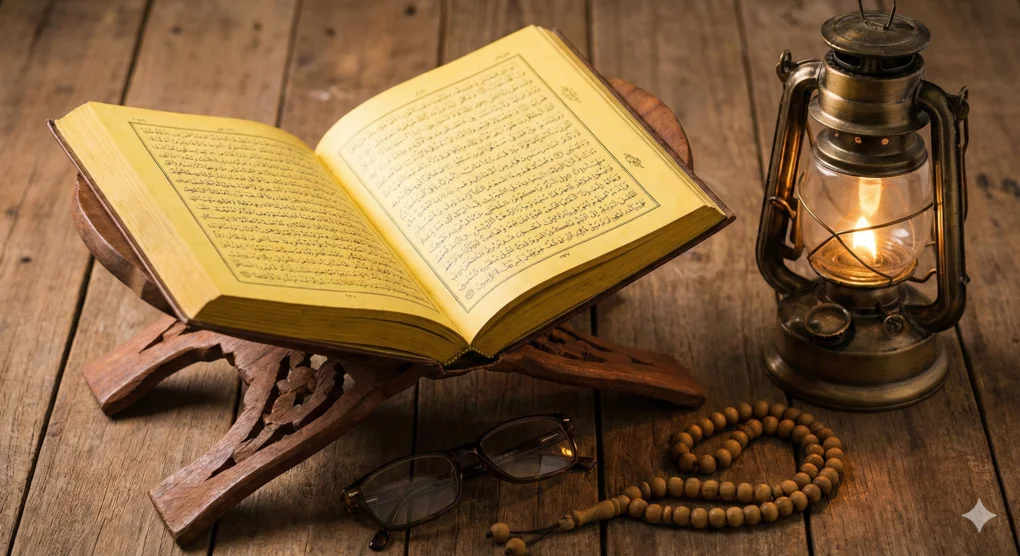
"An open classical book on a traditional carved wooden stand, reading glasses, a string of tasbih beads, and a lit vintage brass lantern on a rustic wooden table surface."

Observing the fast during the blessed month of Ramadan requires precise and profound knowledge. It is not merely about enduring hunger and thirst from the break of dawn until sunset; it fundamentally involves guarding oneself against all things that invalidate fasting (mufattirat). Frequently, doubts arise within the community: “Does picking my nose break the fast?”, … Read more

The Fiqh of Mutaghayyir Water: Distinguishing Mukhalith and Mujawir Changes

Perbandingan tiga gelas berisi air mutlak, air berubah warna (teh), dan air bercampur minyak untuk ilustrasi fiqih air mutaghayyir.

Have you ever noticed the water in your bathtub smelling slightly of soap? Or perhaps you have seen a pond turn green due to algae? In such situations, a common question often arises in our minds: “Is this water still valid for performing Wudu?” Within Shafi’i jurisprudence, an essential chapter regarding the types of water … Read more

Musta’mal Water in Islam: Intention, Children, and the “Ightiraf” Dilemma

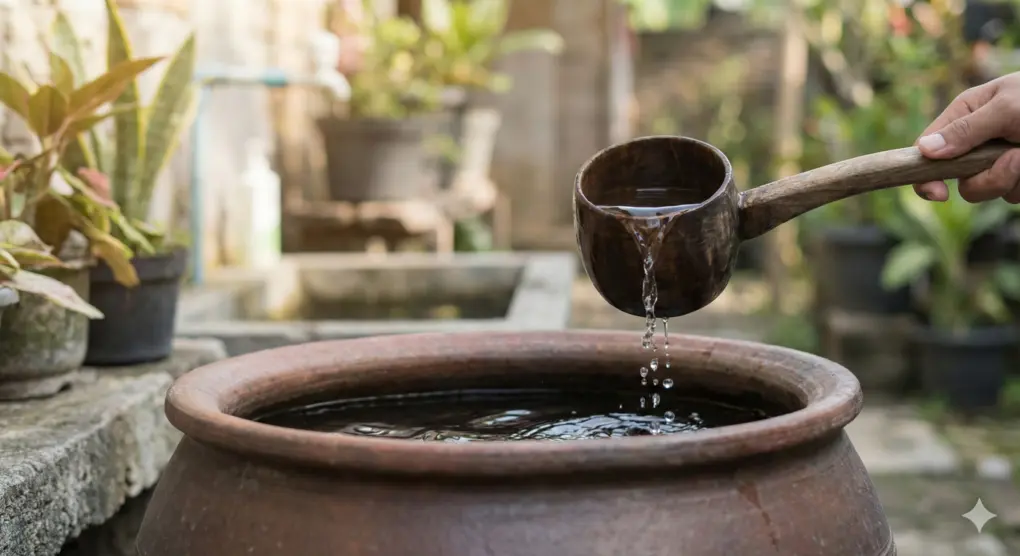
Tangan seseorang mengambil air wudhu dari ember tanah liat menggunakan gayung kayu.

In our daily lives, we frequently perform wudu (ablution) using a small bucket or a modestly sized bathtub. Unbeknownst to many, that clear water might have transformed into Musta’mal water (one of the types of water in Islam and their usages). Consequently, our wudu or obligatory bath becomes invalid, and our prayers are not accepted. … Read more

The Essence of Mutlaq Water: Why Only Water Can Purify in Islam?

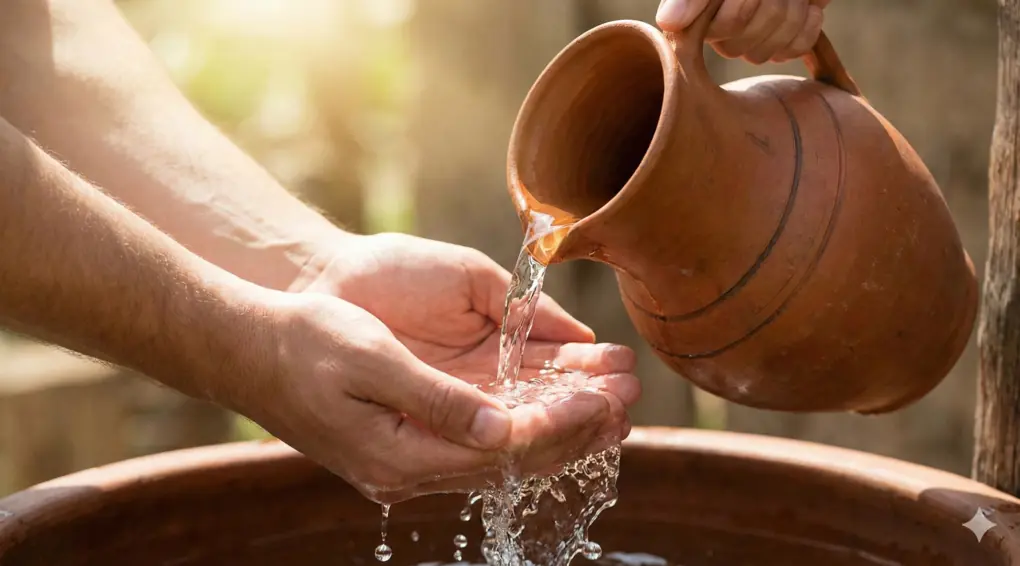
Tangan menampung air wudhu yang jernih dan suci dari kendi tanah liat tradisional.

In Islamic jurisprudence (fiqh), purification (understanding thaharah) is the gateway to all acts of worship. We frequently hear the term “Mutlaq Water” (absolute or pure water) as the primary condition for the validity of wudu (ablution) and the obligatory bath (ghusl). However, has it ever crossed your mind why it must specifically be water? Why … Read more

The Fiqh Ruling on Purifying Najis with Zamzam Water: Permissible or Makruh?

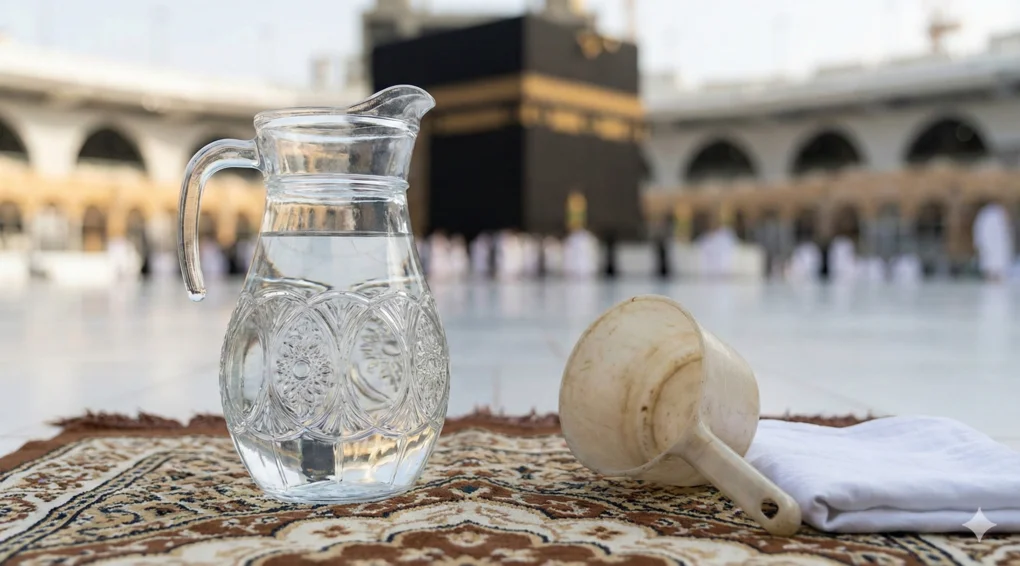
Kendi berisi air zamzam di Masjidil Haram bersanding dengan gayung pembersih, mengilustrasikan hukum fiqih penggunaannya untuk najis.

For Muslims, Zamzam is not merely ordinary water. It is profoundly blessed, carrying a rich historical connection to Prophet Isma’il, his mother Hajar, and the sacred precincts of Makkah. Due to its exalted status, believers observe strict etiquette when interacting with it, typically reserving it for drinking to seek healing and divine blessings. However, a … Read more