
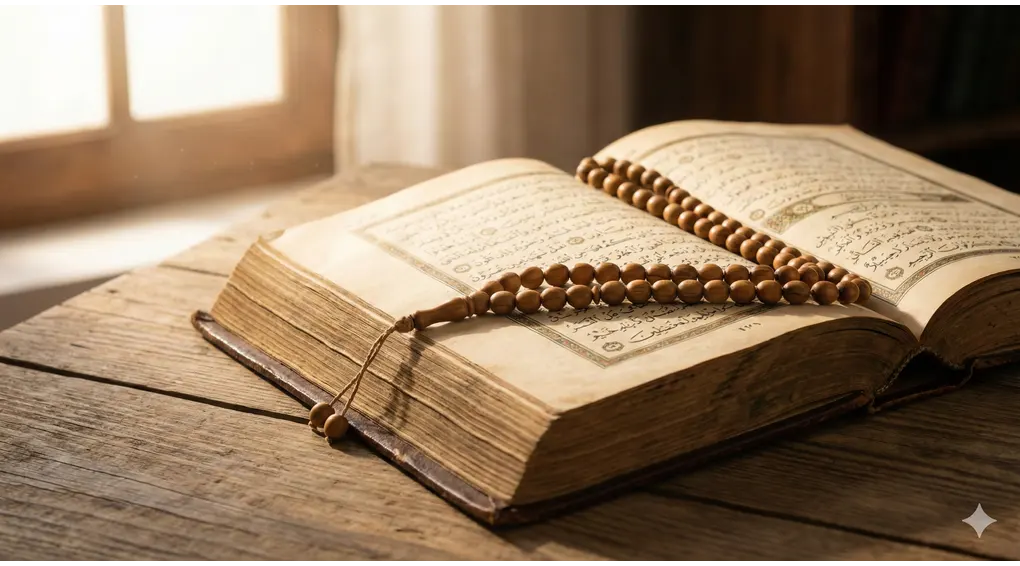
Have you ever felt that you have supplicated repeatedly, yet your hopes remain unfulfilled? Often, we focus excessively on “what” we ask for, completely forgetting “how” we should ask. In Islam, observing the proper etiquette of making dua (supplication) when addressing the Creator is the fundamental key to opening the doors of heaven.
Classical scholars unanimously agree that the adab (etiquette) of supplication holds an incredibly high spiritual status. Imam al-Nawawi, in his phenomenal work Al-Adhkar, cites profound explanations from Hujjat al-Islam, Imam al-Ghazali, regarding this matter. Making dua is not merely about reciting Arabic texts; it is a profound demonstration of our absolute need and humility before Allah, the Most Rich.
Let us systematically examine these ten primary etiquettes so that our intimate converse (munajat) is heard and our hearts find tranquility.
The Essence: What is the Etiquette of Making Dua to Allah?
Before discussing technicalities, we must rectify our foundational approach by understanding the concept of Niyyah (intention). Theologians explain that the core essence of etiquette in supplication is Izhar al-Faqah (manifesting absolute spiritual poverty and need). When we pray, we are not informing Allah of our situation, for He is the All-Knowing. Rather, we are acknowledging our inherent weakness, recognizing that He is our sole refuge—a direct manifestation of our faith in Allah.
While modern summaries often present simplified lists, Imam al-Ghazali’s exposition provides a much richer, multi-dimensional perspective. He details ten critical points encompassing timing, physical posture, and the internal state of the heart.
10 Core Etiquettes of Making Dua from Kitab Al-Adhkar
Below is the detailed breakdown of the etiquette of making dua, directly extracted from the teachings of Imam al-Ghazali and endorsed by Imam al-Nawawi:
1. Seeking the Most Auspicious Times (Azman Sharifah)

Time acts as a gateway; there are specific moments when the gates of the Divine Court are thrown wide open. The first etiquette of making dua is to target these noble times, which include:
- The Day of Arafah.
- The holy month of Ramadan.
- Fridays.
- The last third of the night.
- The time of Suhur (pre-dawn).
To maximize your spiritual efforts during these times, you can learn more about the virtues of auspicious nights.
2. Capitalizing on Favorable Circumstances
Beyond specific times, certain spiritual or physical states accelerate the acceptance of a prayer. The supplicant should utilize moments such as:
- During prostration (Sujood), which is the closest a servant comes to his Lord.
- While rain is falling.
- When the Iqamah for prayer is called.
- The brief window between the Adhan and Iqamah. To understand the significance of this, one should study the understanding of Adhan and Iqamah.
Imam al-Nawawi adds a crucial internal condition: when the heart is soft. If you suddenly feel profound sorrow over your sins or are moved to tears upon hearing a Quranic verse, treat it as a divine “green light” to supplicate immediately.
3. Facing the Qiblah and Raising the Hands




This relates to the physical Sunnah of prayer. One should not supplicate carelessly while looking away. Face the Qiblah, raise both hands as a symbol of surrender and utter need, and wipe your face upon concluding the prayer.
4. Modulating the Voice
The proper etiquette dictates that one should neither shout nor merely whisper internally to the point of being inaudible to oneself. Utilize a voice that is gentle, serene, and laden with hope.
5. Avoiding Artificial Rhymes (Overly Poetic Language)
Imam al-Ghazali warns against forcing rhymes or excessive poetic meter (saj’) in our prayers. Often, a person becomes so preoccupied with crafting beautiful phrases that their heart remains vacant. Use simple, honest language that emanates directly from the heart (lisan al-iftiqar). It is highly recommended to utilize transmitted prayers (dua ma’thur), such as the supplications of the prophets.
6. Humility (Tadarru’), Khushu’, and Fear
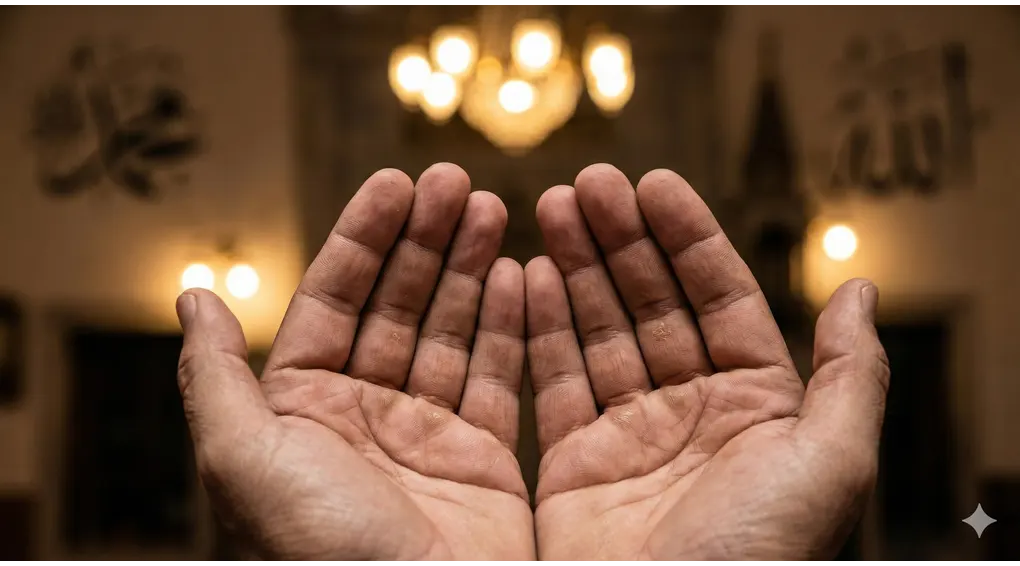
A prayer devoid of awe is like a body without a soul. One must cultivate Tadarru’ (earnest pleading), deep reverence (khushu’), and a sense of fear regarding one’s shortcomings or the possibility of the prayer being withheld due to sin.
7. Absolute Certainty and Optimism (Husn al-Zann)
Do not harbor doubts. The etiquette of making dua demands that we maintain a positive presumption of Allah (Husn al-Zann). The classical scholar Sufyan bin Uyainah offered a deeply comforting advice for sinners:
“Do not let the sins that you know you have committed prevent you from making dua. For Allah answered the request of Iblis (the worst of creation) when he asked to be respited and granted a long life.”
If the plea of the devil was answered, how much more likely is the plea of a believing servant, despite their sins?
8. Persistence and Repetition
Do not surrender quickly. It is Sunnah to repeat the supplication at least three times. Never complain by saying, “Why is it taking so long to be answered?” The trait of haste is often the very barrier preventing the acceptance of the dua.
9. Starting with Praise (The Order of Dua)
There is a specific sequence to maintain spiritual courtesy. One must not abruptly state their demands.
- Begin with Hamdalah (praising Allah).
- Proceed with Salawat (blessings) upon the Prophet ﷺ.
- Present your needs.
- Conclude again with Salawat and Hamdalah.
An excellent prophetic opening is the Dua of Prophet Yunus in the belly of the whale, known for its profound power in alleviating distress.
10. The Master Key: Repentance and Restoring Rights
This is the most frequently neglected yet most vital point. The tenth etiquette is to repent, seek forgiveness, and return any wealth or items acquired unjustly. Ensure that the nourishment entering your body is strictly halal. Without this foundational purity, prayers struggle to pierce the heavens.
Original Reference Text (Kitab Al-Adhkar)
To maintain academic integrity, below is the original Arabic text outlining these points, as recorded in Al-Adhkar by Imam al-Nawawi (pages 396-397):
وقال بعضهم : المراد بالدعاء : إظهار الفاقة , وإلا فالله سبحانه وتعالى يفعل ما يشاء . وقال الإمام أبو حامد الغزالي في ” الإحياء “: آداب الدعاء عشرة : الأول : أن يترصد الأزمان الشريفة … الثاني : أن يغتنم الأحوال الشريفة … الثالث : استقبال القبلة , ورفع اليدين … الرابع : خفض الصوت بين المخافتة والجهر . الخامس : أن لا يتكلف السجع … السادس : التضرع والخشوع والرهبة … السابع : أن يجزم بالطلب , ويوقن بالإجابة … الثامن : أن يلح في الدعاء ويكرره ثلاثا … التاسع : أن يفتتح الدعاء بذكر الله تعالى . العاشر : وهو أهمها والأصل في الإجابة , وهو التوبة , ورد المظالم , والإقبال على الله تعالى .
Sequence and Supplications Before Making Dua According to the Sunnah
For practical daily application, here is a summarized sequence based on the prophetic Sunnah:
- Preparation: Ensure you are in a state of ritual purity (if possible) and facing the Qiblah.
- Opening: Recite the requisite praises and blessings. A concise example:
- Alhamdulillahi Rabbil ‘Aalamiin.
- Allahumma sholli ‘ala Muhammad wa ‘ala ali Muhammad.
- The Core Dua: Present your needs with humble language, a gentle voice, and absolute conviction.
- Closing: Seal the supplication with another Salawat and say Aamiin.
Conclusion: Do Not Forget This Crucial Aspect
We often meticulously perform the physical aspects of the etiquette of making dua, yet completely neglect the internal dimension and the purity of our sustenance. Imam al-Nawawi emphasizes in his final point that “Repentance and restoring the rights of the oppressed” is the absolute foundation (ashl) for a prayer to be answered.
Reevaluate the provision you bring into your home. Are there any unlawfully acquired elements? Inspect your heart for lingering grudges. Cleansing one’s wealth and heart is perpetually more effective than merely beautifying the vocabulary of a prayer. Let us rectify our etiquette starting today. May every whispered plea during the last third of the night or within our prostrations pave the way for goodness in this world and the Hereafter.
Frequently Asked Questions (FAQ)
What is the most important etiquette when making dua?
According to Imam al-Ghazali and Imam al-Nawawi, the most crucial foundational etiquette is ensuring that your sustenance is halal (lawful), repenting from sins, and restoring the rights of anyone you may have wronged.
Why should I avoid rhyming words in my dua?
Scholars advise against forcing rhymes (saj’) because it shifts the focus from genuine humility and spiritual need to mere linguistic performance. Dua should flow naturally and sincerely from a deeply dependent heart.
Is it necessary to face the Qiblah while making dua?
While it is not strictly obligatory, facing the Qiblah is a highly recommended Sunnah and is considered one of the core etiquettes of making dua that demonstrates respect and focus toward Allah.
Reference
Yaḥyā ibn Sharaf al-Nawawī, al-Adhkār, ed. ʿAbd al-Qādir al-Arnaʾūṭ (Beirut: Dār al-Fikr, 1994), 396–397.


