Rules of Junub in Shafii Fiqh: A Daily Jurisprudence Guide
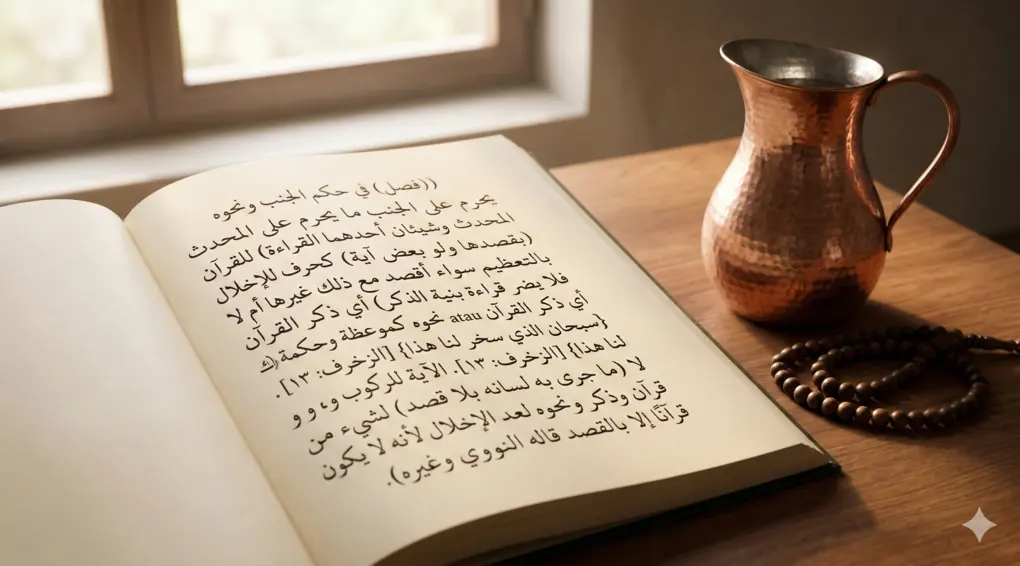
An open classical Arabic fiqh manuscript resting on a wooden desk alongside a copper water pitcher and prayer beads under soft morning light.

Maintaining physical purity and spiritual clarity is a fundamental principle in Islamic law (Shari’ah). A servant who preserves their station (Maqam) of obedience before Allah is always cautious about their state of purity. Just as the stain of sin is removed through sincere repentance (Tawbah Nasuha), the state of major impurity (janabah)—which stems from various … Read more
The Sunnah of Ghusl and Its Etiquette in Shafi’i Fiqh: A Prophetic Guide

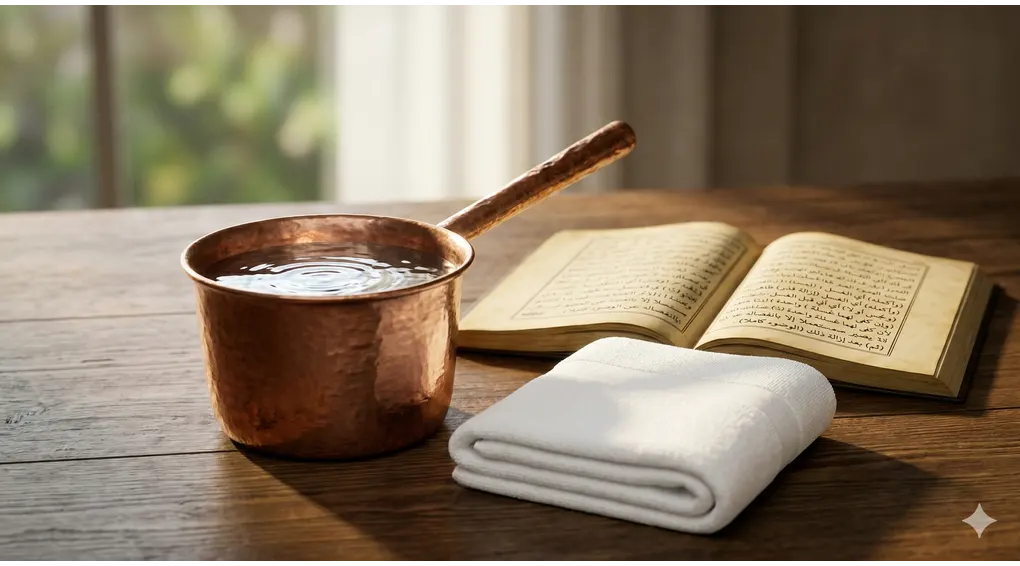
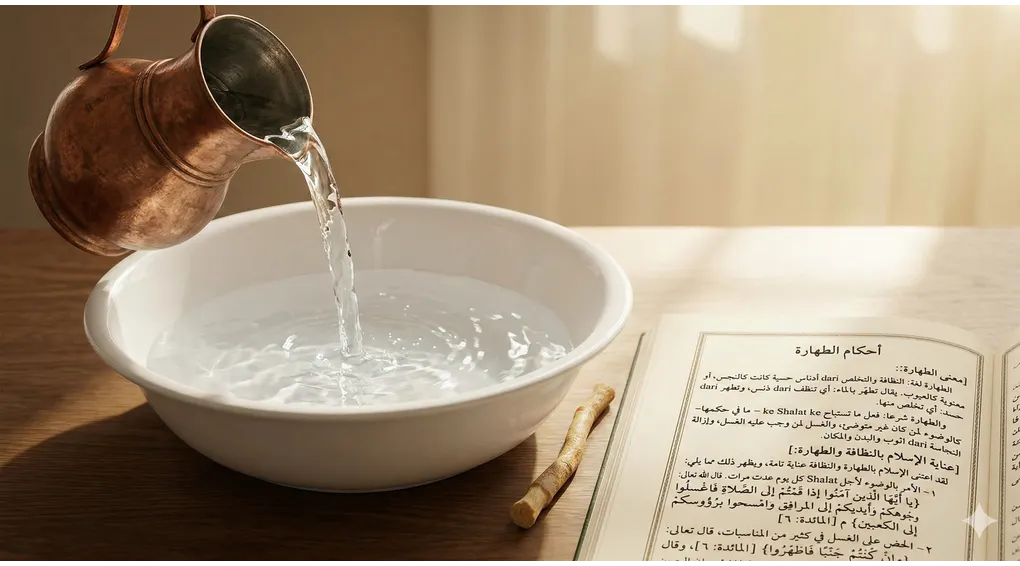
An aesthetic still-life photograph of an open classical Arabic fiqh manuscript, next to an antique copper dipper filled with crystal-clear water and a pristine white towel, symbolizing Islamic purification and academic knowledge.

The performance of worship in Islam is not merely about discharging obligatory duties (fardh). A servant who desires a high spiritual station (Maqām) before Allah the Almighty always adorns their deeds with sunnah and proper etiquette (adab). In the context of purification from major ritual impurity (Thaharah), fulfilling the pillars of the obligatory bath ensures … Read more

The Meaning of Thaharah: Significance, Rulings, and Its Importance in Islam

A modestly dressed Muslim woman in a proper hijab sitting reverently, holding a Quran in a bright mosque.

Thaharah is a fundamental concept in Islamic teachings that is inextricably linked to cleanliness and purity. For Muslims, understanding the meaning of thaharah goes far beyond merely maintaining physical cleanliness; it comprehensively encompasses the purity of the heart and soul. Before delving deeper, it is essential to realize that this teaching is an inseparable part … Read more

The Immense Reward of Providing Iftar: Liberation from Hellfire & Special Supplications

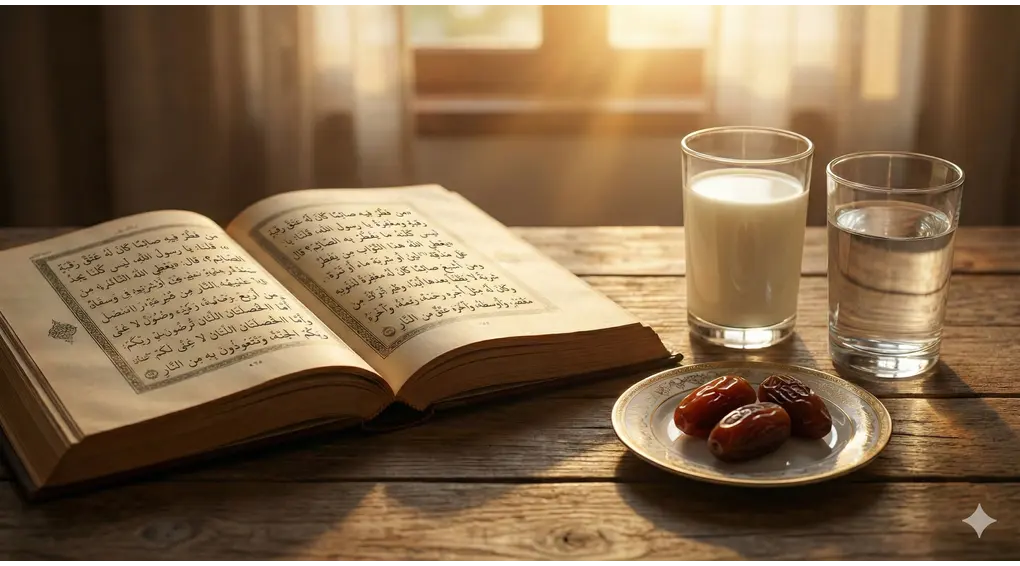
An open antique Islamic manuscript next to a glass of milk, a glass of water, and three dates on a wooden table at sunset.

The holy month of Ramadan serves as a spiritual madrasa that educates every Muslim to sharpen their inner spiritual acuity and social sensitivity. One significant manifestation of this sensitivity is the practice of muwasah (empathy and caring) toward fellow servants of Allah who are observing the fast. Within classical Islamic literature, particularly in the book … Read more

Complete Guide to the Virtues and Ramadan Practices Kanzun Najah was Surur

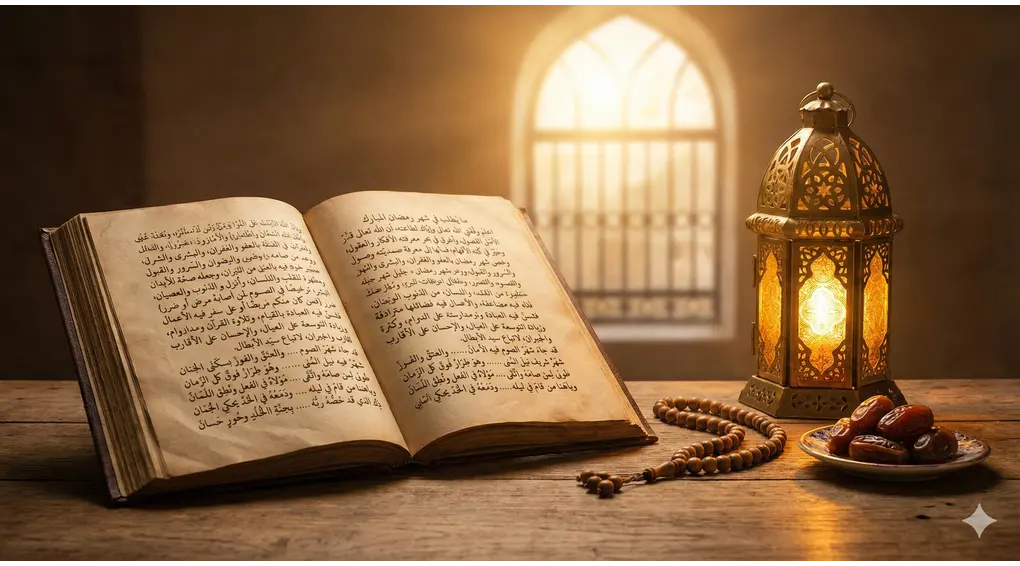
A warm still life photograph of an open antique Islamic manuscript (kitab kuning) on a wooden table, beside a glowing traditional fanous Ramadan lantern, prayer beads, and dates. Golden hour light streams through an arched window.

The holy month of Ramadan holds a profoundly distinguished position within classical Islamic literature. As a month exclusively designated by Allah SWT for the multiplication of rewards and divine forgiveness, it demands structured spiritual preparation from every Muslim. This article serves as a comprehensive guide regarding the virtues, recommended acts (sunnah), and Ramadan practices Kanzun … Read more

Rules of I’tikaf for Women in Shafi’i Fiqh: A Complete Guide

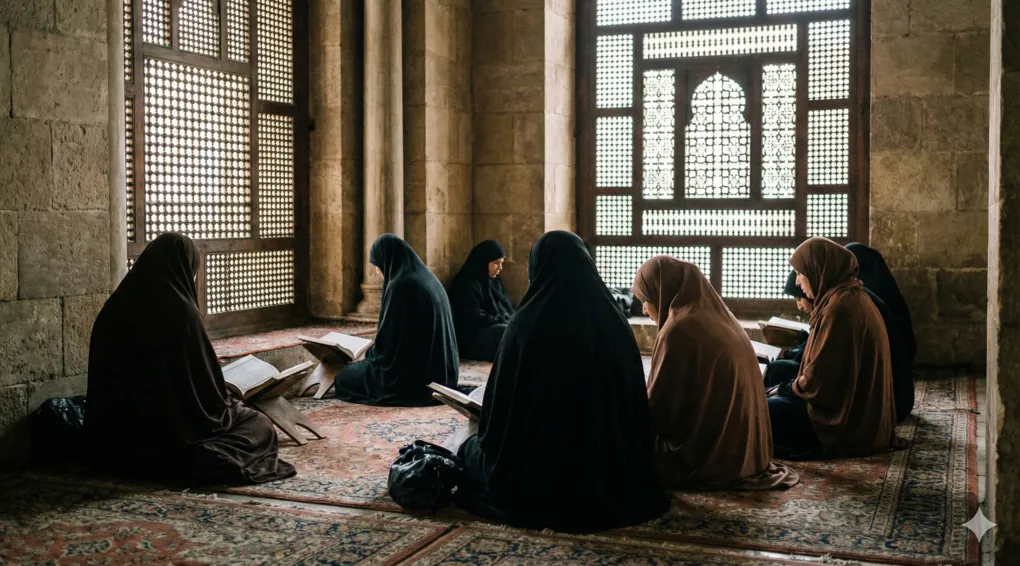
A documentary-style photograph of Muslim women in hijabs quietly reading the Quran and praying behind wooden mashrabiya screens in the dedicated women's section of a historic mosque.

The worship of I’tikaf is a magnificent spiritual practice for drawing closer to Allah the Exalted. The opportunity to attain its immense virtues is not limited to men; it is also widely open to Muslim women. Nevertheless, the Islamic Shari’ah establishes specific guidelines (dhawabith) and rules for women to preserve their honor and ensure the … Read more

The Etiquette of I’tikaf: Permissible & Disliked Acts in the Mosque

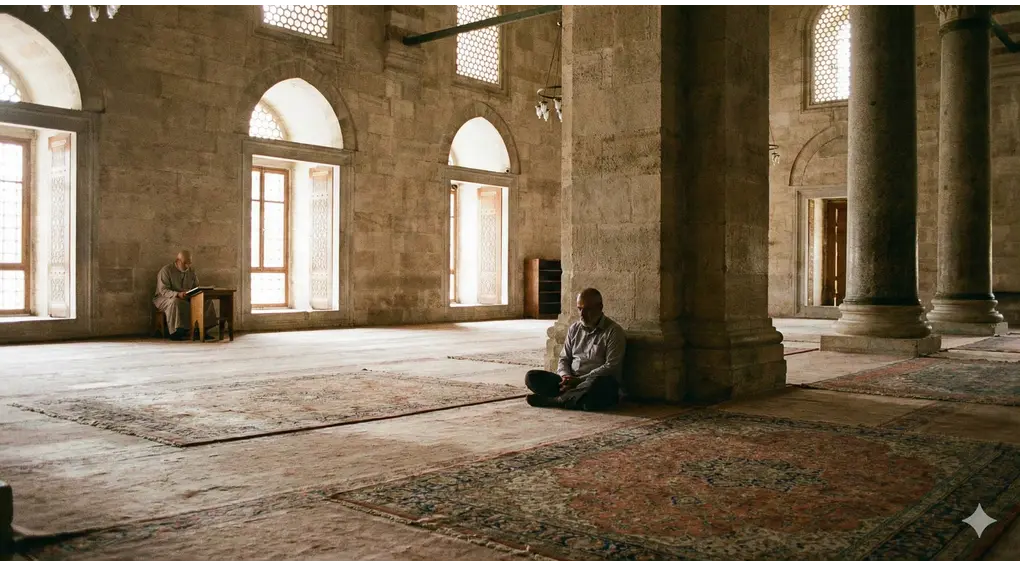
A Muslim man sitting silently in a grand mosque, demonstrating the proper etiquette of I'tikaf through quiet contemplation and reverence.

The presence of a servant inside the mosque with the intention of drawing closer to Allah the Exalted demands the observance of a noble etiquette of I’tikaf (adab). Nevertheless, the pure (hanif) Islamic Shari’ah does not strip humans of their natural disposition. There are various permissible (mubah) activities allowed by the jurists (fuqaha), as well … Read more

Sunnah Prayer for the Iftar Host: Etiquette of Breaking Fast

A Muslim guest praying for the host's well-being after finishing a communal iftar in a warm atmosphere.

The tradition of gathering to break the fast with family or friends always colors the beauty of the holy month of Ramadan. This practice of feasting goes beyond the routine of merely eating. Sharing iftar meals is a means of worship with high value when the doer frames the intention with ikhlas (sincerity) and avoids … Read more

How to Control Anger While Fasting: The Meaning of “Inni Shaim”

A Muslim man smiling patiently, placing his hand on his chest as a symbol of restraining his anger and saying 'Inni Saim' (I am fasting).

The worship of fasting (al-ṣawm) is a spiritual discipline that trains a believer to restrain their desires. Sharia guidance establishes that fasting is not merely restraining the stomach and genitals from dawn to sunset. More than that, fasting is a process of tazkiyatun nafs (purification of the soul) that demands its practitioners to guard their … Read more

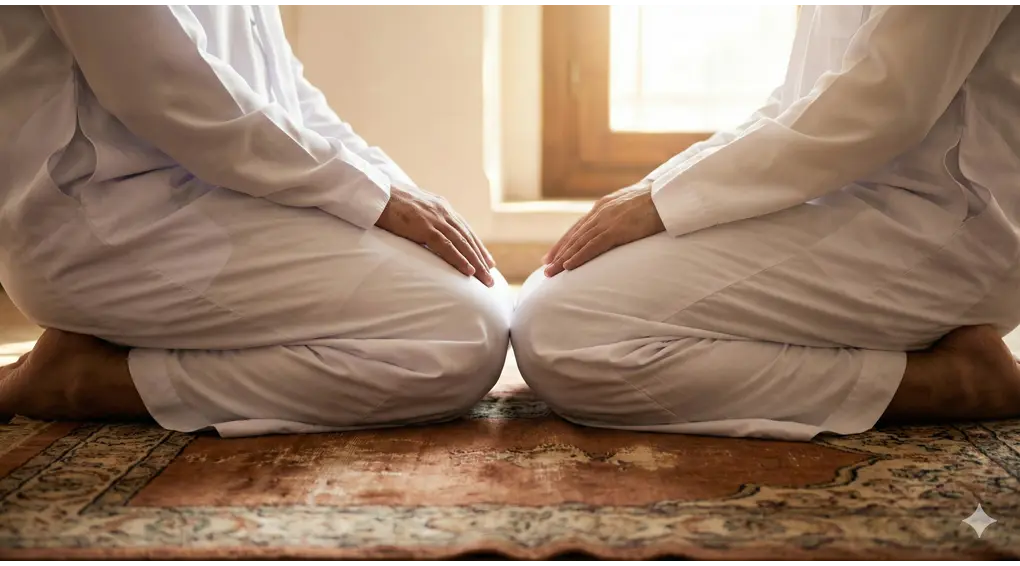
Etiquette of Facing a Teacher: The Secret of Jibril’s Knees

An illustration depicting the close knee-to-knee seating arrangement between a scholar and student during traditional talaqqi, imitating the manners of the Angel Jibril.

In the Talaqqi tradition (direct acquisition of knowledge) in Islam, body language plays as important a role as speech. A student’s etiquette before their teacher often determines the extent of futuḥ (openness of understanding) that Allah will bestow upon their heart. One of the most magnificent portrayals of the etiquette of a study session is … Read more