
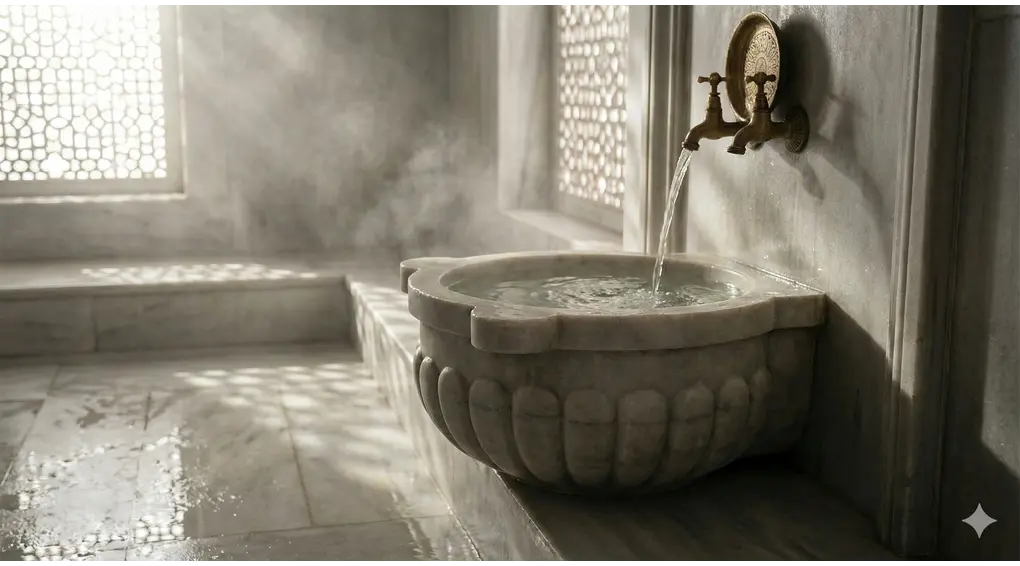
Physical and spiritual purity is an absolute prerequisite for performing prescribed (mahdhah) acts of worship in Islam. Within the discourse of Islamic jurisprudence, understanding the fundamental concept of purification (thaharah) from major ritual impurities occupies a central position.
This article specifically examines the causes of ghusl (obligatory bath), also known as Mujibat al-Ghusl, based on an authoritative reference in the Shafi’i school of thought: the book Asna al-Matalib Sharh Rawd al-Talib (Volume 1, Pages 64-65) authored by Shaykh al-Islam Zakariyya al-Ansari. Comprehending these detailed legal rulings is highly essential to protect Muslims from doubt and to ultimately ensure the absolute validity of their prayers and other acts of worship.
The 5 Causes of Ghusl (Mujibat al-Ghusl)
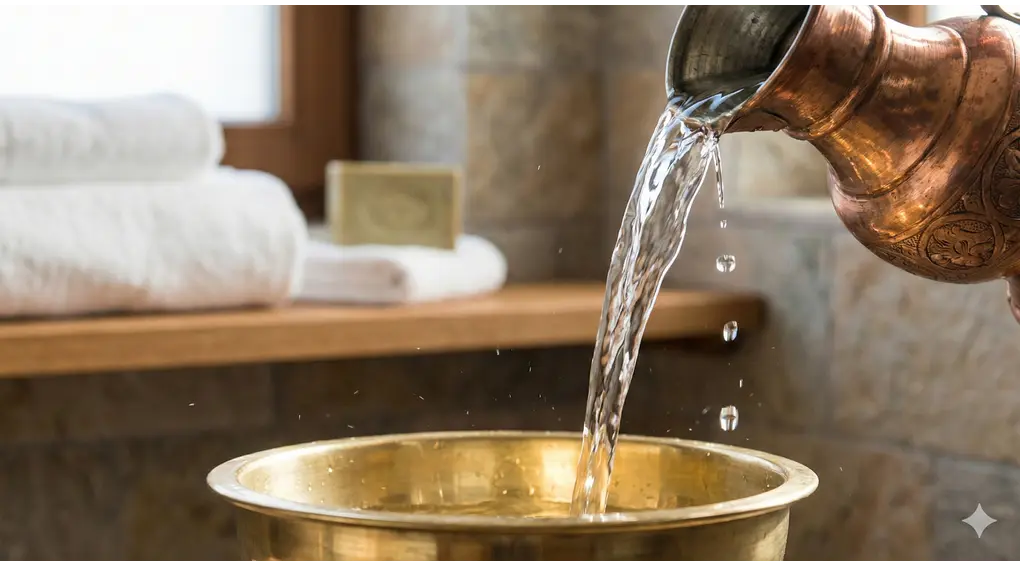
Before delving into the specific causes, it is essential to understand that performing the bath requires the use of pure, absolute water (mutlak water), which is the primary condition for a valid purification process to lift major impurities.
Shaykh al-Islam Zakariyya al-Ansari explained that the circumstances establishing the obligation of a major ritual bath (ghusl al-janabah) are divided into five primary categories. Some scholars summarize them into four by categorizing postpartum bleeding (nifas) under the chapter of menstruation (hayd). He wrote the following text:
قوله: (موجبه) وفي نسخة وموجبه خمسة وعده الأصل أربعة لجعله النفاس ملحقا بالحيض ويصح تنزيل كلام المصنف عليه
Below is an in-depth, hierarchical breakdown of the five causes of ghusl.
1. Death (Mawt)
The first cause is the death of a Muslim who is not a martyr (shahid).
قوله: (موت) لمسلم غير شهيد… والموت عدم الحياة ويعبر عنه بمفارقة الروح الجسد
Death is defined as the separation of the soul from the physical body. For a Muslim who passes away naturally (not martyred on the battlefield defending the religion), washing the deceased body becomes a communal obligation (fard kifayah) for the living Muslims. This bathing process serves as a form of physical cleansing (tanzhifan) and a profound mark of honor and respect (ikraman) for the deceased.
2. The Cessation of Menstruation (Hayd) and Postpartum Bleeding (Nifas)
The emission of menstrual or postpartum blood places a woman in a state of major ritual impurity. The obligation to perform the obligatory bath for menstruation falls upon them the moment the bleeding has entirely ceased (inqita’).
قوله: (وخروج حيض أو نفاس بانقطاعه) أي معه لآية {فاعتزلوا النساء في المحيض} [البقرة: ٢٢٢]… وإذا أدبرت فاغسلي عنك الدم وصلي
A woman’s legal eligibility to resume her daily prayers is entirely dependent on performing this bath after confirming she is clean. In fiqh jurisprudence, postpartum bleeding (nifas) is analogized to menstruation (hayd) because, essentially, nifas is menstrual blood that has accumulated in the womb during the gestation period.
3. Childbirth (Wiladah)




The process of giving birth automatically necessitates a woman to perform ghusl, even if the delivery is not accompanied by any visible blood.
قوله: (و) خروج (ولد ولو علقة ومضغة) و (بلا بلل) لأنه مني منعقد
This obligation to purify remains legally binding even if the fetus expelled from the womb is merely in the form of a blood clot (‘alaqah) or a lump of flesh (mudhghah). Furthermore, the obligation of ghusl persists even if the baby is born completely dry without any amniotic fluid or moisture (bila balal). The jurisprudential reasoning rests on the biological fact that the fetus originates from coagulated seminal fluid.
4. Penetration of the Hashafah (Sexual Intercourse / Jima’)
The state of major impurity (janabah) can occur through sexual intercourse. Islamic jurisprudence establishes that the minimum threshold of intercourse that triggers the obligation of ghusl is the penetration of the hashafah (the head of the male private part) into the female private part (farj).
الأول بإدخال حشفة ولو من ذكر أشل… أو بحائل كخرقة لفها على ذكره ولو غليظة لخبر الصحيحين «إذا التقى الختانان فقد وجب الغسل» وفي رواية لمسلم «وإن لم ينزل»
The text above provides absolute legal certainty that the obligatory bath is triggered unconditionally when the two circumcised parts meet (iltiqa’ al-khitanayn). This obligation is valid and binding even if:
- No semen is ejaculated by either party (in lam yanzil).
- A barrier (ha’il) is utilized, such as a thick piece of cloth or modern contraceptives like condoms (wa law ghalizhatan).
- The act occurs without sexual desire, or if the male organ is paralyzed (ashal).
5. The Emission of Semen (Khuruj al-Mani)
The fifth cause is the discharge of semen from a person’s body. This applies to both men and women, whether it happens while awake or asleep (such as a wet dream).
الأمر الثاني خروج المني أي مني الشخص نفسه الخارج أول مرة من رجل أو امرأة (ولو بعد غسل) من جنابة
If a person has completed their obligatory bath and subsequently the remaining semen exits again, they are required to repeat their bath. To distinguish semen from other genital fluids like madhi (pre-seminal fluid), Shaykh al-Islam highlights the following specific characteristics:
قوله: (ويعرف) المني (بتدفق)… (أو تلذذ) بخروجه… (أو ريح طلع أو عجين رطبا و) ريح (بياض بيض يابسا)
The primary characteristics of semen are:
- It exits in a spurting or pulsing rhythm (tadaffuq).
- It is accompanied by a peak physical sensation of pleasure (taladhdhudh), which is followed by physical languor.
- It possesses a distinct odor: when wet, it smells akin to bread dough (‘ajin) or date palm pollen (tala’), and when dry, it smells like dried egg whites (bayad bayd).
Identification Table of Genital Fluids
Based on the explanations in Asna al-Matalib, the table below serves to easily identify the fluid that obligates a person to perform ghusl:
| Characteristics | Identification of Semen (Obligates Ghusl) |
| Fluid Ejection | Exits in a spurting pattern (Tadaffuq). |
| Physical Sensation | Accompanied by peak pleasure (Taladhdhudh) and subsequent physical weakness. |
| Odor (Wet State) | Similar to wet bread dough or date palm pollen (‘Ajin / Tala’). |
| Odor (Dry State) | Similar to the smell of dried egg whites (Bayad Bayd). |
| Legal Ruling | Major impurity; mandates the performance of Ghusl. |
Conclusion
Comprehending the five causes of ghusl (mujibat al-ghusl) is a foundational pillar in preserving the validity of a Muslim’s worship. Whether through death, the female reproductive cycle (menstruation, postpartum, childbirth), or sexual activity and seminal emission, all of these circumstances demand total physical and spiritual purification. If you experience any of these five conditions, ensure that you promptly execute the complete procedure of the obligatory bath following the guidelines of Islamic law.
Frequently Asked Questions (FAQ) on the Causes of Ghusl
The following questions are answered directly based on the original textual interpretation of the book Asna al-Matalib:
Is ghusl obligatory if sexual intercourse occurs using a condom or barrier?
Yes, the bath is strictly obligatory. The text specifies this with the phrasing “أو بحائل كخرقة لفها على ذكره” (or with a barrier, like a cloth wrapped around the male organ). The use of a barrier, regardless of its thickness, does not nullify the obligation to bathe once the penetration of the hashafah (iltiqa’ al-khitanayn) has occurred.
What is the ruling if someone is unsure whether the discharged fluid is semen (mani) or pre-seminal fluid (madhi)?
Islamic jurisprudence offers leniency in this scenario. Shaykh al-Islam writes “فإنه يخير بينهما” (he is given the choice between the two). If the person firmly believes it is semen, they must perform ghusl. However, if they choose to consider it madhi, they only need to wash the affected area, clean their clothes, and perform ablution (wudu) again (since madhi is impure and breaks wudu, but does not mandate a major bath).
If a wife discharges her husband’s semen after she has already performed ghusl following intercourse, does she need to bathe again?
Yes, but only if the wife experienced her own sexual climax during intercourse. The text clarifies: “وإن خرج منها منيه وقد قضت وطرها اغتسلت” (If his semen exits from her after her bath, and she had fulfilled her desire, she must bathe again). The reasoning is that, from a fiqh perspective, the fluid that exits is strongly presumed to be mixed with the wife’s own seminal fluid.
Reference
Zakariyā al-Anṣārī, Asnā al-Maṭālib fī Sharḥ Rawḍ al-Ṭālib, with marginalia by Aḥmad al-Ramlī, edited by Muḥammad az-Zuhrī al-Ghamrāwī (Cairo: al-Maṭbaʿah al-Maymānīyah, 1313 AH; repr. Dār al-Kitāb al-Islāmī), vol. 1, pp. 64-65.


