Understanding the Belief in Allah’s Messengers and the Concept of ‘Ismah (Infallibility)

Illustration representing the concept of ‘ismah and the essence of faith in the prophets in Islamic theology.

When discussing Islamic theology (‘Aqidah), we often stop at mere memorization from our school days. If asked about the belief in Allah’s Messengers, we universally recognize it as the fourth pillar of faith. But does our understanding truly end there? Is it sufficient to simply memorize the 25 names of the prophets without grasping the … Read more
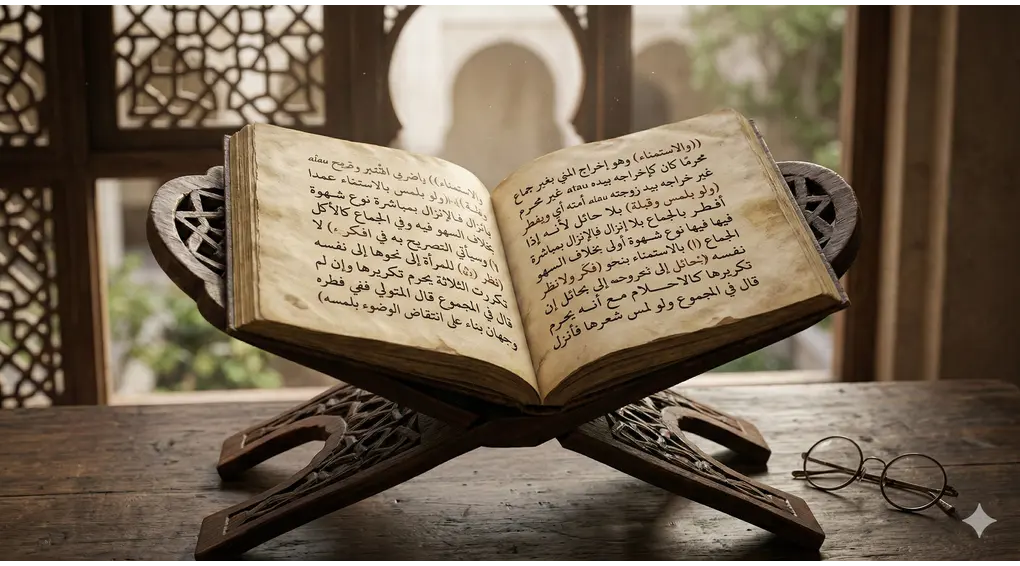

The Jurisprudential Ruling on Masturbation While Fasting and Limits of Physical Contact

An open antique Arabic fiqh manuscript resting on a wooden rehal stand, positioned in front of a mashrabiya patterned window with natural daylight. Classic calligraphy fills the pages.

In the rigorous performance of the fast (al-Ṣawm), a believer is summoned not merely to endure hunger and thirst but to exert profound discipline over their base desires. The spiritual essence of fasting lies in al-Imsāk—a mechanism of comprehensive self-restraint from everything that invalidates the fast, extending from the precise moment of dawn until sunset. … Read more

The Best Time for Hijama: Unveiling Myths of Tuesdays, Wednesdays, and Sunnah Dates

A warm-toned photo depicts cupping (hijamah) therapy equipment, consisting of a cupping cup and a pump, on a wooden table, next to an open antique book inscribed in Arabic script. In the background is a wall calendar with the Hijri dates 17, 19, and 21 circled in red, along with a bowl of dried herbs.

Have you ever felt hesitant when scheduling a cupping therapy (Hijama) session? Perhaps you have heard rumors that performing Hijama on specific days might bring misfortune or exacerbate existing illnesses. Alternatively, you might be searching for the absolute best time for Hijama to maximize its therapeutic and spiritual benefits. Hijama is not merely a traditional … Read more

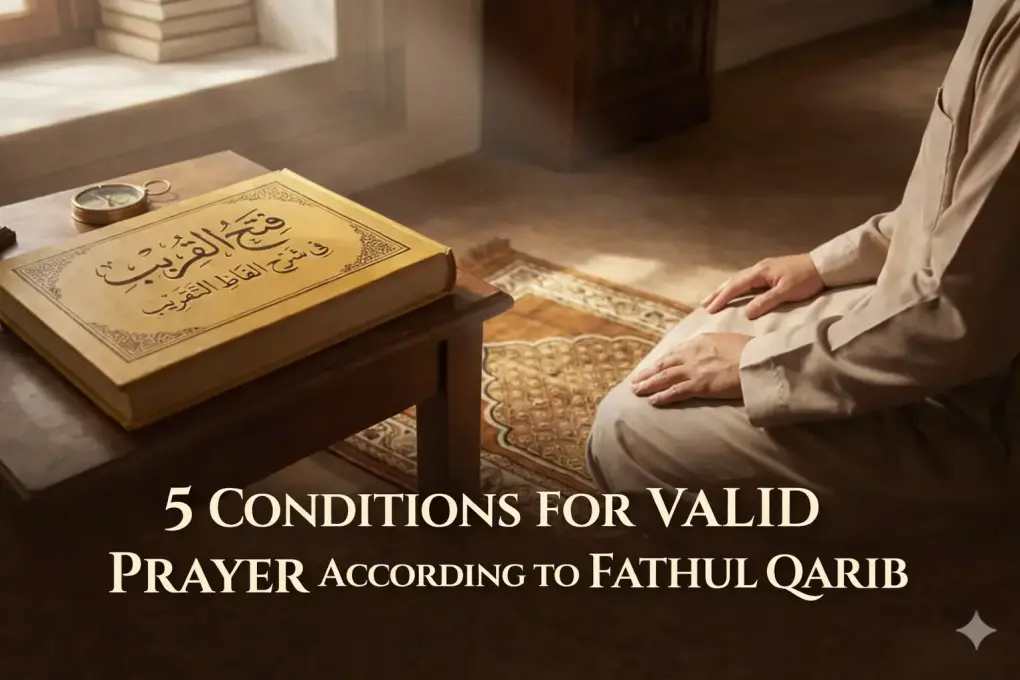
5 Conditions for a Valid Prayer According to Fathul Qarib: A Complete Guide

Illustration showing the five conditions for valid prayer according to the classical fiqh book Fathul Qarib.

Have you ever felt doubtful after completing your worship, wondering, “Was my prayer valid?” or “Are my clothes truly pure?” These questions naturally arise because every Muslim profoundly desires their worship to be accepted by Allah SWT. Prayer (Salah) is not merely a sequence of standing, bowing, and prostrating. There is an essential “entry ticket” … Read more

The Complete Guide to Proper Sujud: Posture and Supplications in Prayer

Muslim man performing sujud in prayer illustrating the proper method and recitation according to the Shafi‘i school of Islamic jurisprudence.

Prostration (Sujud) is not merely the physical act of placing one’s forehead on the floor. Within Islamic prayer, it represents the most sacred moment where a servant is intimately close to their Lord. However, we often find ourselves wondering: are we performing a proper Sujud? Are the supplications we recite accurate? Understanding the correct methodology … Read more

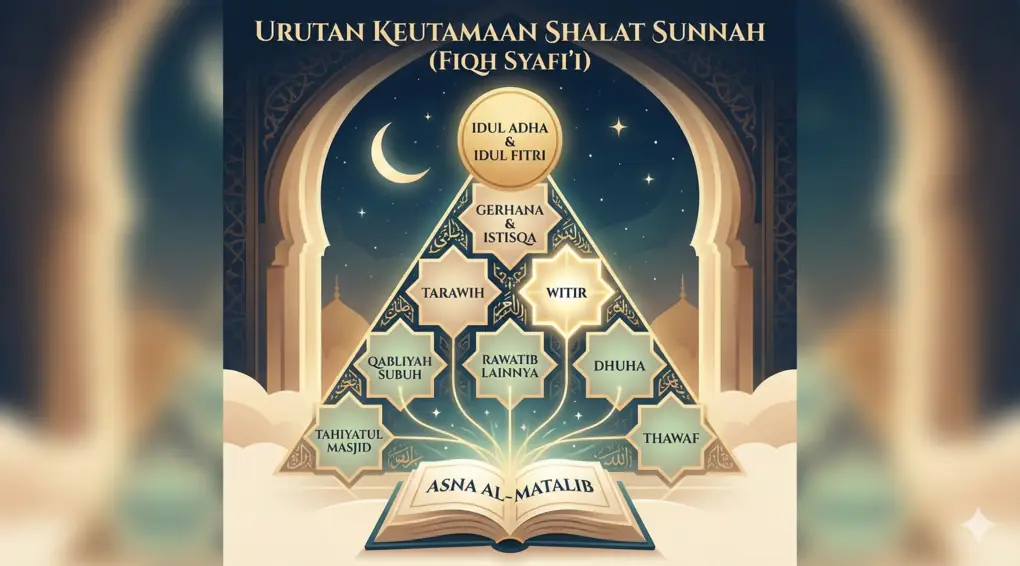
The Hierarchy of Sunnah Prayers: Priorities in the Shafi’i Madhhab

An infographic pyramid diagram displaying the hierarchy of merit for Sunnah prayers according to Shafi'i Fiqh, sourced from the book Asna al-Matalib. The highest rank at the peak features Eid al-Adha and Eid al-Fitr. The middle tier includes Eclipse prayers (Kusuf), Rain prayer (Istisqa), Tarawih, and Witr. The base level contains Qabliyah Subuh, other Rawatib, Duha, Tahiyatul Masjid, and Tawaf prayers. The background features Islamic architecture and a night sky.

Have you ever felt that time is too short while your desire to increase worship is immense? In our daily lives, we are often faced with choices. During Ramadan, for instance, should one prioritize Tarawih prayers or ensure the completion of the Ba’diyyah Isha (post-Isha sunnah)? Or in the morning, is the Dhuha prayer more … Read more

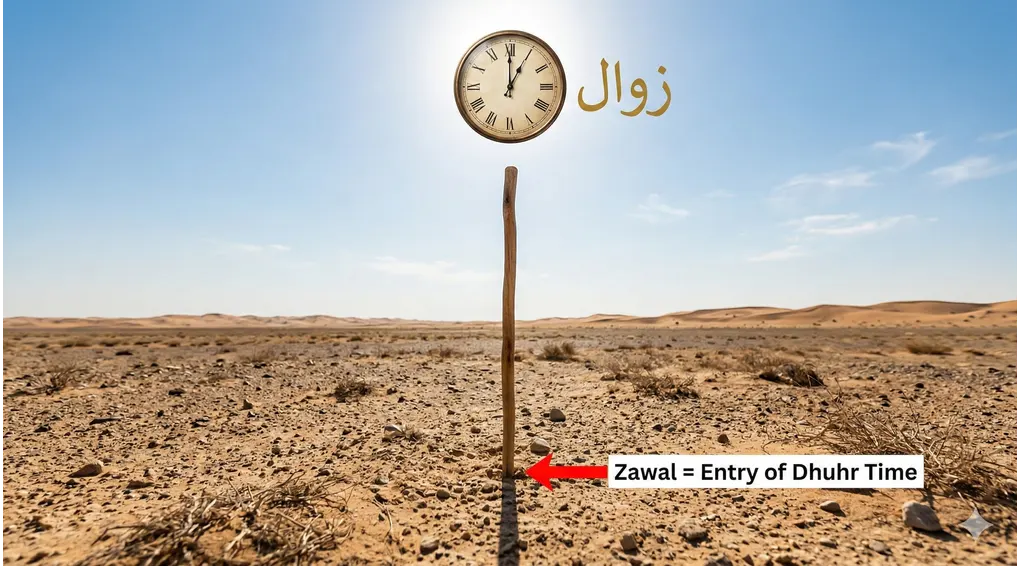
Dhuhr Prayer Time: From Natural Signs to the Final Limits

A realistic illustration of a wooden stick standing in an open field at high noon (zawal) with a shadow beginning to lengthen towards the east, featuring an analog clock and Arabic text "Zawal" in the sky.

Have you ever wondered if the Dhuhr prayer time has officially begun just by looking at the sun directly overhead? In our modern era, digital schedules are incredibly helpful. However, understanding the natural signs used to determine prayer times is a fundamental and invaluable skill. Relying on nature is not merely a backup plan for … Read more

The Fiqh of Ramadan Fasting: History, Evidence, and Determining the New Moon

An illustration of the classical book Fathul Mu'in lying open on a wooden table, set against a background of a mosque window, a crescent moon, and dates, symbolizing the discussion of Fiqh and the laws of Ramadan fasting.

Every year, the question “how many days until Ramadan?” sparks widespread excitement and discussion. For Muslims worldwide, this month is not merely an annual routine, but a highly anticipated sacred period. However, beneath this enthusiasm, have we truly comprehended how the Fiqh of Ramadan Fasting governs our worship? From the methodology of sighting the crescent … Read more

The Reality of Belief in the Last Day: Meaning, Stages, and Wisdom

Illustration explaining the reality of belief in the Hereafter in Islam including its definition, stages, and wisdom.

Many of us have memorized the articles of faith since childhood. We know that the belief in the Last Day constitutes the fifth pillar, a foundational concept you can explore further in the understanding and number of the pillars of faith. However, how profoundly do we understand what this belief truly entails? Is it merely … Read more

Complete Guide to the Ramadan Fasting Intention and Its Meanings: Arabic, Transliteration, and Fiqh Rulings

The closed Asna al-Matalib book on a rehal next to a lit fanoos lantern, against a backdrop of a crescent moon and night sky, symbolizing the night intention for fasting.

The holy month is fast approaching. For Muslims, ensuring that their acts of worship are legally valid is a primary priority. One of the most fundamental pillars of fasting in Ramadan is the intention (niyyah). Without the correct intention, a person’s fast may be deemed invalid, reducing their effort to merely enduring hunger and thirst. … Read more