
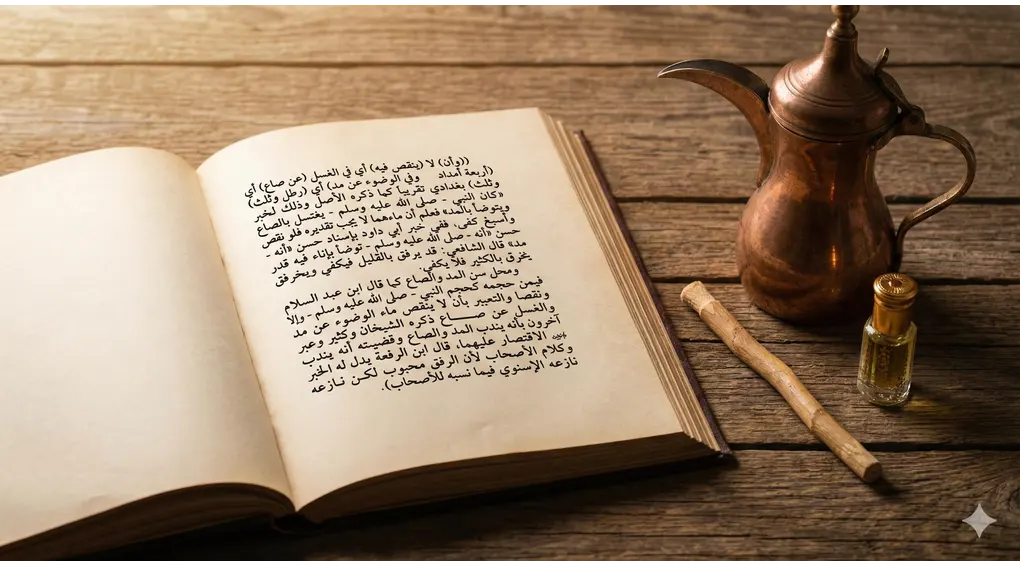
Purity is the foundational pillar in the establishment of worship within Islamic law. Understanding the profound meaning of thaharah is not merely a physical routine, but rather a theological gateway for a servant to commune with the Creator. When a person is in a state of major ritual impurity (hadath akbar), the binding obligation is to perform the major bath or ritual ablution (Ghusl). For those seeking to delve into this foundation, learning the exact method of Ghusl provides the ultimate guide from intention to practical application.
In practice, many Muslims are afflicted by was-was (chronic doubt and recurring feelings of invalidity) during the major bath. Satan often whispers doubts regarding missed intentions, uneven water distribution, or incorrect sequencing. This article presents the detailed conditions, pillars, and the perfect method of Ghusl (Kaifiyah al-Ghusl) based on the authoritative text Asna al-Matalib Syarh Rawdh ath-Thalib (Vol. 1, Pages 68-71) by Shaykh al-Islam Zakariyya al-Ansari, to provide legal certainty and inner tranquility.
Before stepping into these technical procedures, ensure you have precisely identified the causes that necessitate the major bath according to Shafi’i Fiqh so that your purification is truly grounded in a state that requires it.
The Two Primary Pillars of the Major Bath (Fardhu al-Ghusl)
The Shafi’i school provides a very strict boundary between pillars (obligations that determine the validity of the worship) and sunnah acts (recommendations for perfection). Misunderstanding this boundary is often the root of chronic doubt. Shaykh al-Islam Zakariyya al-Ansari asserts that the obligations in the major bath rest solely on two absolute matters.
قوله: (وأقل الغسل) شيئان أحدهما (نية رفع الجنابة)… (أو) نية رفع (الحدث مطلقا)
“And the minimum (pillars) of the bath are two matters. One of them is the intention to lift janabah… or the intention to lift hadath absolutely.”
1. The Intention to Lift Major Impurity
Intention (niyyah) is the opening pillar. A Muslim is obligated to formulate the intention in their heart to lift the state of janabah, menstruation, or postpartum bleeding. It is also permissible to intend generally to lift impurity (raf’ul hadath), because the absolute intention to lift impurity automatically targets the major impurity they are currently bearing.
The problem of was-was frequently arises regarding the precise timing of the intention. When must the intention be articulated in the heart for the bath to be valid? The jurisprudential text answers this with absolute precision:
قوله: (ويجب قرنها) أي النية (بأول فرض) وهو أول ما يغسل من البدن (وفي تقديمها على السنن وعزوبها)…
“It is obligatory to synchronize it [the intention] with the beginning of the obligatory act, which is the very first part of the body to be washed. And regarding preceding it during the sunnah acts, and then it slips away (is forgotten)…”
The intention must be synchronized (presented in the heart) exactly at the very first second water touches any part of the body (whether the head, hand, back, or foot).
If a person articulates the intention before entering the bathroom, but at the moment the water is first poured over their body, their heart is empty of that intention (‘uzub an-niyyah), then that wash is invalid as an obligatory part of the bath. They must repeat the intention for the subsequent wash. Conversely, they are not obligated to continuously hold the intention in their heart throughout the entire duration of the bath. Maintaining the intention from beginning to end (istishab an-niyyah) is a recommended perfection, not a condition for validity.
2. Encompassing the Entire Body with Water (Ta’mim al-Badan)
The second pillar is ta’mim, which is ensuring pure water flows and wets the entire surface of the outer skin and hair. Shaykh al-Islam details the boundaries of the body parts that must be reached by water:
قوله: (و) الشيء الثاني (تعميم البدن بالماء شعرا) وإن كثف (وبشرا) وما ظهر من صماخ وأنف مجدوع… وما تحت قلفة
“The second matter is encompassing the body with water, both the hair, even if it is thick, and the skin. Along with what is visible from the outer ear canal, a severed nose… and the area beneath the foreskin (for an uncircumcised male).”
To eliminate doubt, note the following fiqh points regarding the body parts:
- Thick Hair: Unlike the ruling for Wudu where it is sufficient to wash the outside of a thick beard, in the major bath, all hair—no matter how thick—must be wetted down to the roots and the scalp.
- Body Folds: It is obligatory to flow water over hidden areas such as the navel, armpits, the cleft of the buttocks, and the female intimate area that is visible when sitting to relieve oneself. Ensuring water reaches these body folds is also a crucial point in the correct method of major bath for menstruation in Islam.
- The Foreskin: For an uncircumcised male (aqlaf), the skin beneath his foreskin (qulfah) is legally classified as outer skin that must be cleaned, as long as water can reach it.
Fiqh Solutions to Eliminate Chronic Doubt (Was-was) in Ghusl
Islamic Shari’ah was revealed with the principle of ease. The scholars of the Shafi’i school have established boundaries of tolerance (ma’fu) to prevent excessive practices stemming from the deception of Satan (was-was).
Not Obligatory to Wash the Inside of the Eye


(ولا يجب غسل شعر باطن العين بل لا يسن)
You are not obligated, nor is it even recommended, to wash the hair/lashes on the inside of the eyelid. Doing so can actually harm the sense of sight.
Not Obligatory to Undo Braided Hair
قوله: (ولا باطن عقد شعر)… (ولا نقض ضفر يصله الماء)
For women or men who style their hair in thick braids, if it is certain that water can penetrate the crevices of the braids to wet the inner hair shafts, then the hair ties are not required to be undone (naqdh).
Bathing in Stagnant Water (Pool/Tub)
قوله: (و) أن (لا يغتسل في) ماء (راكد) ولو كثيرا أو بئر معينة كما في المجموع بل يكره ذلك
If you are in a tub or pool containing stagnant water (rakid), do not submerge yourself and then intend to bathe in it, because this action is considered disliked (makruh) based on the hadith of the Prophet ﷺ. Scoop the water with a dipper, or use a flowing shower. It is also extremely important to understand the essence of absolute water so that the water used for purification does not change its status to musta’mal (used water) when you scoop it.
The Sunnah Method of Ghusl According to the Prophet (Kaifiyah)
Once the two pillars above have been fulfilled, the major bath is deemed absolutely valid. Nevertheless, a Muslim pursuing the station of excellence (maqam ihsan) should structure their worship to align with the sunnah of the Messenger of Allah ﷺ. Shaykh al-Islam Zakariyya al-Ansari sequences the perfect method of Ghusl as follows:
Step 1: Removing Physical Filth and Impurity (Najis)
قوله: (وأكمله إزالة قذر) ظاهر كبصاق ومني (ونجس أولا)
The most perfect sequence begins with cleaning visible filth attached to the body, such as remnants of semen, dried saliva, or dust. If there is najis (ritual impurity) on the body, it must be removed first before the process of ta’mim (encompassing with water) is carried out.
Step 2: Performing a Complete Wudu
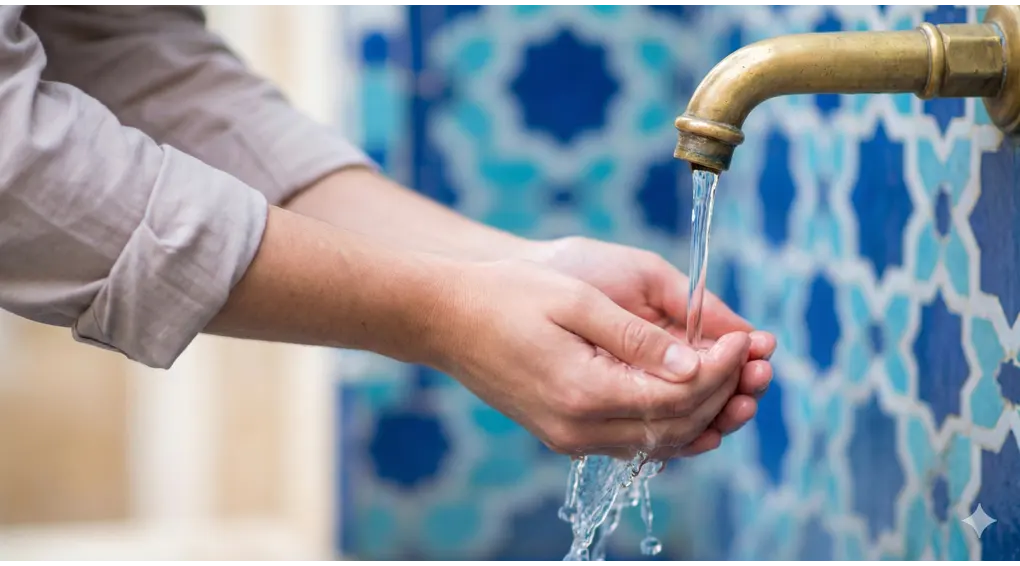
قوله: (ثم الوضوء كاملا) للاتباع رواه الشيخان فهو أفضل من تأخير قدميه عن الغسل
After the genitals and hands are clean, perform a complete ablution (Wudu) exactly like the ablution for prayer, starting from the intention for the sunnah ablution of the bath to the washing of both feet. This is the most superior opinion (afdal), although delaying the washing of the feet to the end of the bath is also valid.
Step 3: Rubbing the Hair Roots and Body Folds
قوله: (ثم تعهد معاطفه) كالأذن وغضون البطن (و) تعهد (أصول شعر) له بالماء استظهارا
Use wet fingers to rub and comb through the folds of the ears, folds of the stomach, and massage the roots of the hair on the head. This serves as preparation so the pores and scalp can easily receive the poured water.
Step 4: Pouring Water Over the Head, Followed by the Right and Left Sides
قوله: (ثم يفيض) الماء (على رأسه ثم شقه الأيمن ثم الأيسر بتثليث)
Pour water over the head, then move down the front and back of the right side of the body. After that, pour it over the front and back of the left side. It is highly recommended to repeat this washing three times (tathlith) while the hands simultaneously rub the body (dalk).
Step 5 (Specifically for Menstruating Women): Using Fragrance
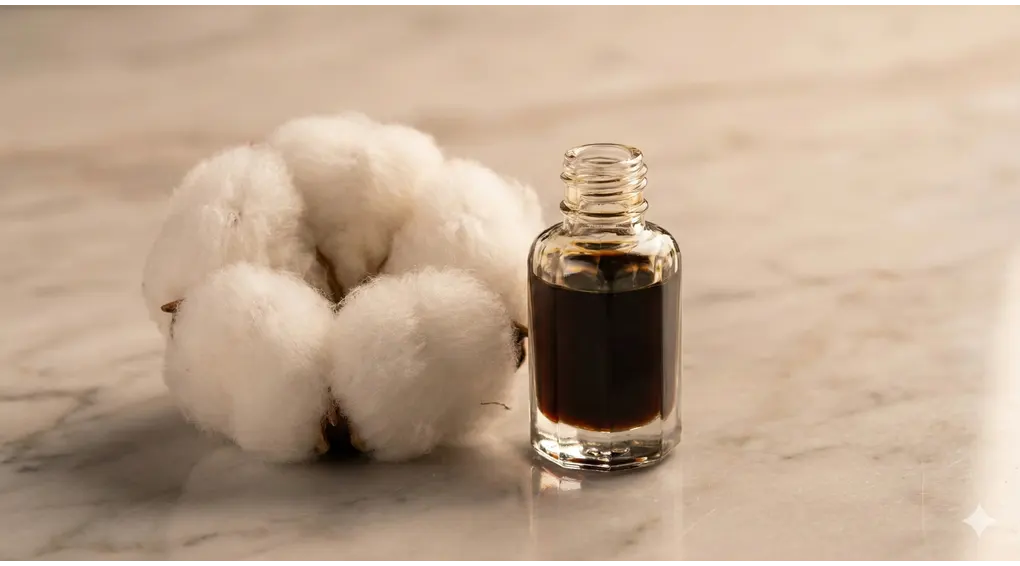
قوله: (وأتبعت… أثر الدم مسكا) بأن تجعله على قطنة… (وإلا فطيبا وإلا فطينا والماء كاف)
For women purifying themselves after menstruation or postpartum bleeding, it is recommended to take a piece of cotton, place drops of musk (misk) on it, and gently wipe the intimate area to remove any lingering odor of blood. If musk is unavailable, other non-alcoholic perfumes may be used. If none are available, then washing with pure water is deemed sufficient (wal ma’u kafin).
Summary Table of the Method of Ghusl (Pillars vs. Sunnah)
To dissect the complexity of this fiqh into a logical structure, observe the table separating the pillars and sunnah acts below. An error in a pillar invalidates the bath, while forgetting a sunnah only reduces the reward without ruining the validity of the worship.
| Jurisprudential Action | Legal Status | Consequence if Missed / Violated |
| Intention to Lift Impurity | Absolute Pillar | Bath is INVALID, must repeat from the beginning. |
| Encompassing Skin/Hair with Water | Absolute Pillar | Bath is INVALID, must wash the dry parts. |
| Cleaning najis on the body | Sunnah / Condition | If najis remains, that spot is not pure. |
| Performing Wudu at the start | Sunnah (Asyt) | Bath remains valid, but loses the reward of emulating the Prophet. |
| Rinsing mouth (Madhmadah) & Istinsyaq | Sunnah | Bath is valid without rinsing. |
| Pouring on the right side first (Tayammun) | Sunnah | Bath is valid even if starting with the left/randomly. |
| Rubbing the body (Dalk) | Sunnah | Bath is valid as long as pure water flows over the skin. |
Conclusion
Correctly executing the major bath (Ghusl) is the key to the validity of the core acts of worship in Islam. Through the exposition of the text Asna al-Matalib, the Shafi’i school provides a highly systematic guide that facilitates ease for the Muslim community. The essence of this worship rests entirely on the two pillars of the major bath: a sincere intention in the heart coinciding with the first wash, and encompassing the entire surface of the body with pure water without exception. By understanding the strict boundary between obligatory pillars and the perfecting sunnah procedures, a Muslim can free themselves from the disease of chronic doubt (was-was), attain inner peace, and perform purification with absolute certainty.
Frequently Asked Questions (FAQ) Regarding the Method of Ghusl
If I cut my nails or pluck my armpit hair before the major bath, do those clipped hairs/nails need to be bathed as well?
No. The assumption that nails or hair cut while in a state of janabah will demand accountability in the hereafter has no basis in fiqh. However, Shaykh al-Islam reminds us of one technical ruling:
قوله: (ولو بقيت شعرة) لم تغسل (فنتفها)… (وجب غسل ما تحتها)
If there is a single strand of hair on the head that has not been touched by the water of the major bath, and then that hair is plucked or falls out, you are obligated to pour water over the pore/skin left behind by the plucked hair, because that area is required to be washed.
Is it valid to combine the intention of Ghusl Janabah with the intention for the Friday bath?
Yes, it is valid. In the rules of purification, there is a concept of inclusion (tadaakhul). The text mentions:
(وإن وجب عليه فرضان كفاه الغسل لأحدهما كنفلين)
If you bear the obligation of Ghusl Janabah coinciding with the recommended Friday prayer bath, formulate the intention for Ghusl Janabah. Through this obligatory intention, the sunnah reward of the Friday bath is automatically acquired, even if it is not specifically intended.
How many liters of water is recommended to be used during the major bath to avoid wastefulness?
The scholars established the standard volume of water based on the habit of the Messenger of Allah ﷺ.
(وأن لا ينقص فيه عن صاع أي أربعة أمداد وفي الوضوء عن مد)
The recommended standard is not less than 1 Sha’ (equivalent to 4 Mudd, approximately 2.5 to 3 Liters of water) for the major bath, and 1 Mudd (about 600-750 ml) for ablution (Wudu). The measured use of water is highly recommended to avoid extravagance (mubazir), provided that the fundamental principle of evenly distributing the water (ta’mim) has been perfectly fulfilled.
References
Zakariyyā al-Anṣārī, Asnā al-Maṭālib fī Sharḥ Rawḍ al-Ṭālib, with marginalia by Aḥmad al-Ramlī, edited by Muḥammad az-Zuhrī al-Ghamrāwī (Cairo: al-Maṭbaʿah al-Maymānīyah, 1313 AH; repr. Dār al-Kitāb al-Islāmī), vol. 1, pp. 68-71.


