3 Acts of Worship That Require Wudu in Islam (Explanation from al-Fiqh al-Manhaji)
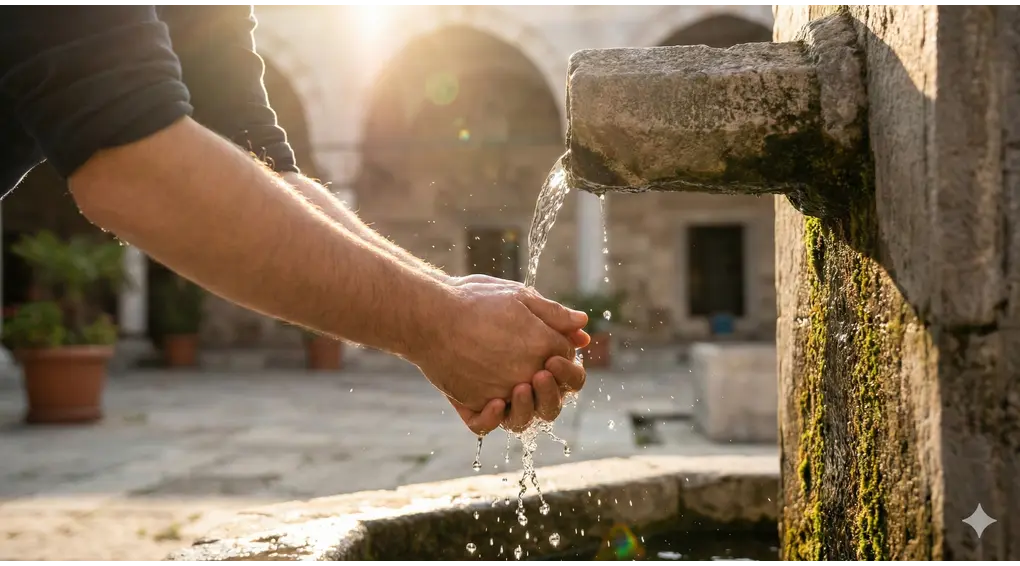
Close-up of a person's hands performing wudu (ablution) with clear flowing water at an ancient mosque stone basin during a golden sunset.

Wudu (ablution) is one of the most essential conditions of spiritual purity (Thaharah) in Islam. In Islamic jurisprudence, wudu is not merely a physical act of washing body parts; it possesses a profound spiritual dimension designed to prepare a believer to stand before Allah SWT. But specifically, what are the acts of worship that require … Read more
Rules of I’tikaf Nadhr & Consecutive Worship (Shafi’i Fiqh)

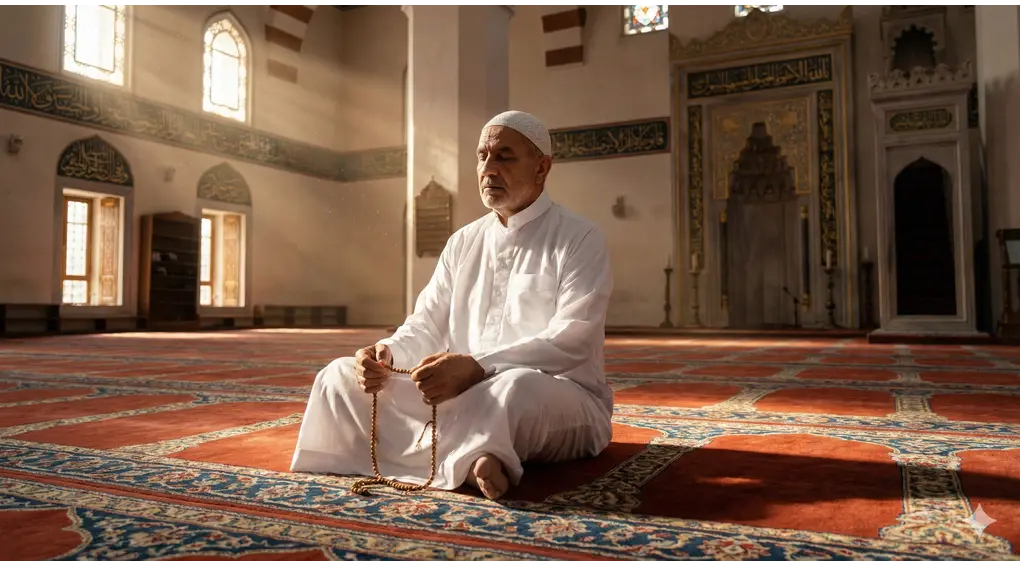
A Muslim man sitting devoutly in a sunlit mosque, symbolizing the solemn intention of making an i'tikaf nadhr (vow).

The worship of i’tikaf is originally established as a highly recommended sunnah (sunnah muakkadah). However, a servant of Allah may oblige this act upon themselves through a verbal commitment, known in Islamic jurisprudence as nadhr (a vow). Once an individual makes a vow to perform i’tikaf, its legal status shifts from sunnah to obligatory (wajib). … Read more

Rules of I’tikaf for Women in Shafi’i Fiqh: A Complete Guide

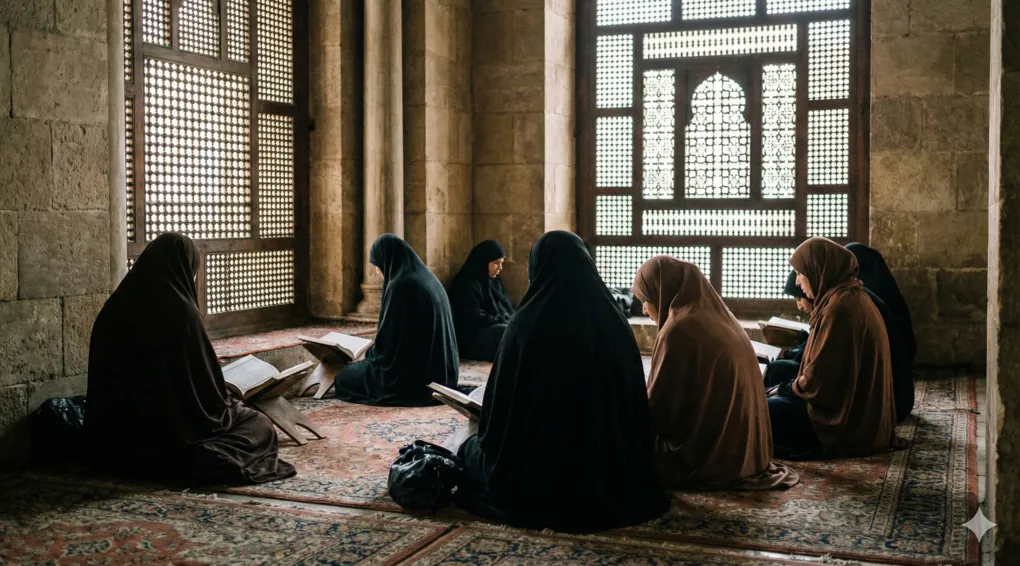
A documentary-style photograph of Muslim women in hijabs quietly reading the Quran and praying behind wooden mashrabiya screens in the dedicated women's section of a historic mosque.

The worship of I’tikaf is a magnificent spiritual practice for drawing closer to Allah the Exalted. The opportunity to attain its immense virtues is not limited to men; it is also widely open to Muslim women. Nevertheless, the Islamic Shari’ah establishes specific guidelines (dhawabith) and rules for women to preserve their honor and ensure the … Read more

Invalidators of I’tikaf and Rulings on Leaving the Mosque (Shafi’i Fiqh)

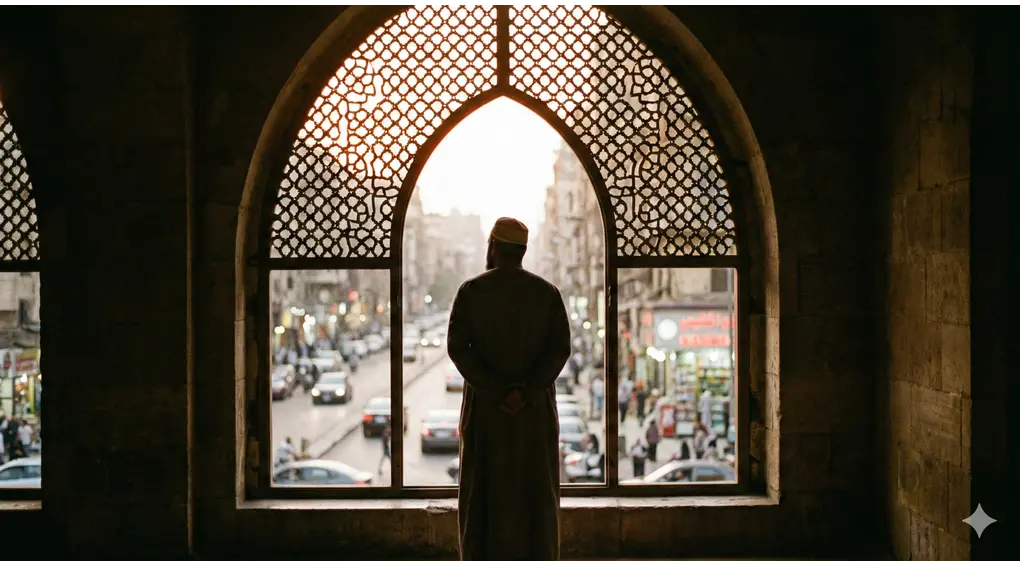
A contemplative photograph from inside a dimly lit mosque showing the silhouette of a Muslim man standing near an arched window looking outside, symbolizing the spiritual boundary of I'tikaf.

Performing the worship of I’tikaf demands purity of intention and physical discipline. A person who has anchored their heart to stay in the mosque must recognize the boundaries of the Sharia so that their worship is not ruined halfway through. In the literature of Shafi’i Fiqh, scholars have formulated strict guidelines regarding the invalidators of … Read more

The Etiquette of I’tikaf: Permissible & Disliked Acts in the Mosque

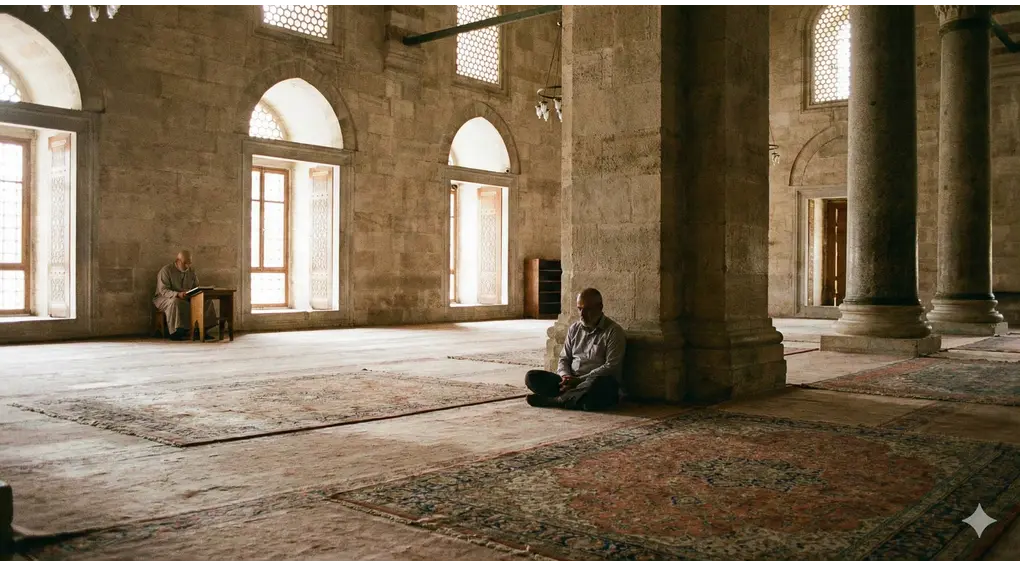
A Muslim man sitting silently in a grand mosque, demonstrating the proper etiquette of I'tikaf through quiet contemplation and reverence.

The presence of a servant inside the mosque with the intention of drawing closer to Allah the Exalted demands the observance of a noble etiquette of I’tikaf (adab). Nevertheless, the pure (hanif) Islamic Shari’ah does not strip humans of their natural disposition. There are various permissible (mubah) activities allowed by the jurists (fuqaha), as well … Read more

The Valid Conditions and 4 Pillars of I’tikaf in Shafi’i Fiqh

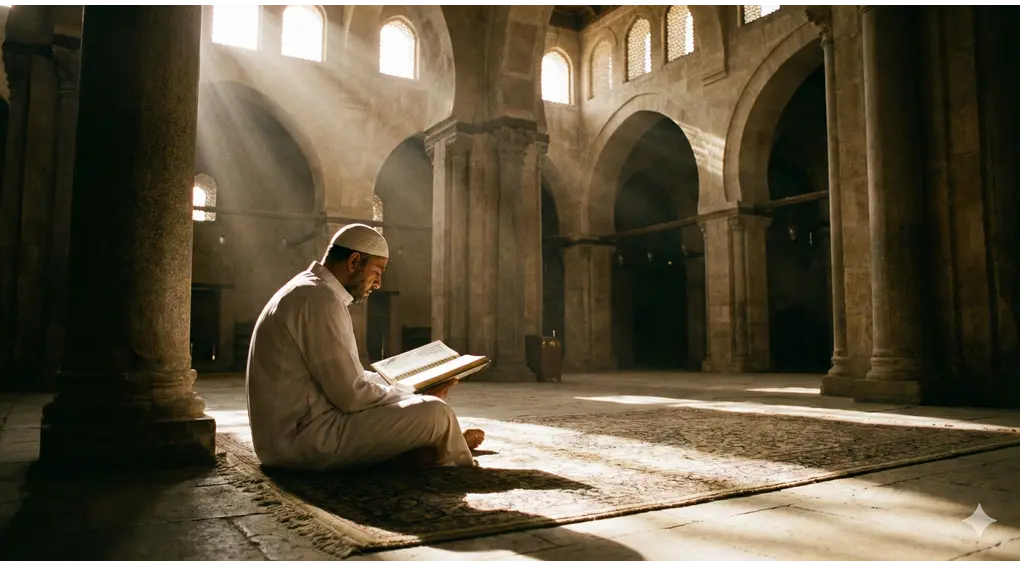
A Muslim man sitting alone reading the Quran inside a grand mosque, representing the primary pillar of I'tikaf (al-mukth).

The worship of I’tikaf (spiritual retreat) is a noble practice that brings a servant closer to their Creator. For a Muslim seeking to attain the virtues of performing I’tikaf, understanding its precise rules is an absolute necessity. The validity of this worship relies heavily on fulfilling the valid conditions of I’tikaf and its pillars as … Read more

The Complete Guide to the Fiqh of I’tikaf (Shafi’i School)

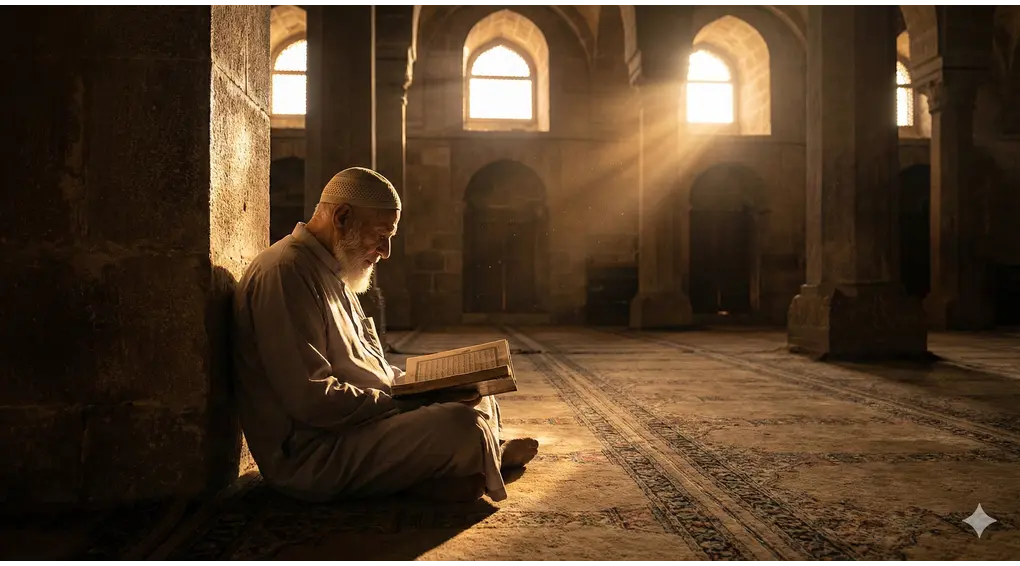
A Muslim man is reverently reading the Quran while observing i'tikaf in the mosque at dawn.

The worship of I’tikaf is one of the great symbols of Islam; it is a profound manifestation of a servant isolating themselves to draw closer to Allah ๏ทป. Within the Islamic scholarly tradition, specifically the rules and procedures of I’tikaf according to the Shafi’i school of thought, this act of worship possesses highly precise pillars … Read more

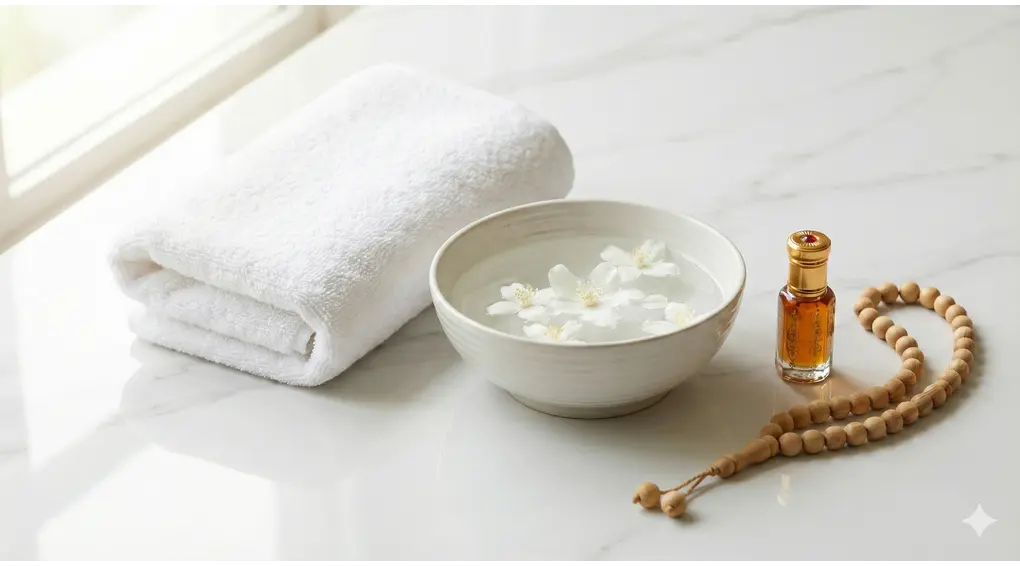
A Complete Guide to Performing Ghusl (Ritual Bath) After Menstruation According to Classical Fiqh

A serene flat-lay photograph on marble showing items symbolic of Islamic purification: a clean white towel, a bowl of water with flowers, a small bottle of musk perfume oil, and tasbih prayer beads.

Every Muslim woman strives for her worship to be valid and accepted by Allah ๏ทป. One of the fundamental requirements to resume worship after a menstrual period is purification. However, doubts often arise: Is the mandatory bath we perform after menstruation actually valid? Has the water truly reached every required part of the body? Performing … Read more

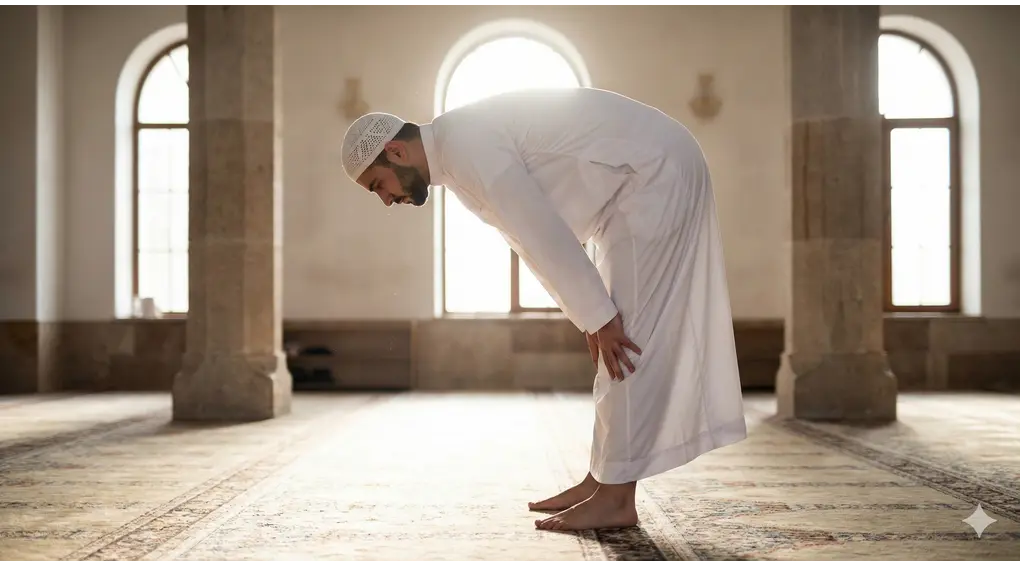
How to Perform Rukลซสฟ (Bowing) Correctly: Rules, Conditions, and Recitations

A Muslim man demonstrating the perfect Ruku posture in prayer, featuring a straight back level with the neck and hands grasping the knees.

Understanding the meaning of prayer (Salah) is fundamental, as it is the pillar of the Islamic religion. Every movement within it possesses strict rules to ensure it is accepted by Allah ๏ทป. One essential pillar that we perform repeatedly, yet sometimes overlook the technical details of, is bowing (rukลซสฟ). Many Muslims ask: what is the … Read more

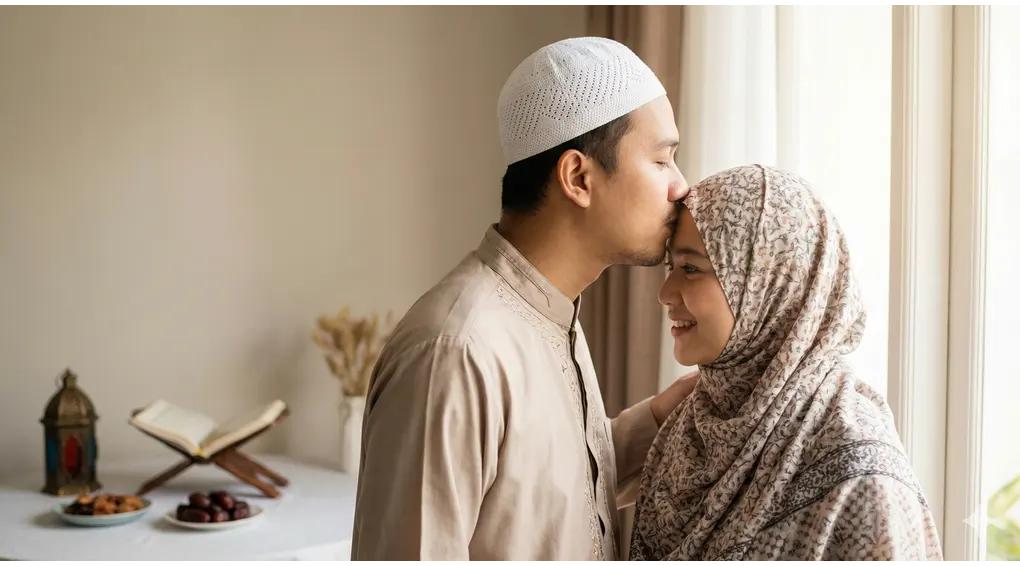
Does Kissing While Fasting Invalidate the Fast? The Islamic Ruling

A Muslim husband respectfully kisses his wife's forehead as a permissible (mubah) form of affection during the Ramadan fast.

The worship of fasting (al-แนฃawm) is a medium for disciplining the soul and body. Its main essence lies in al-imsฤk, namely refraining from everything that invalidates the fast from dawn until sunset. For individuals who are married, the challenge of fasting extends to the manner of physical interaction with their lawful spouses during the day. … Read more