The Virtues of Muharram in the Islamic Calendar
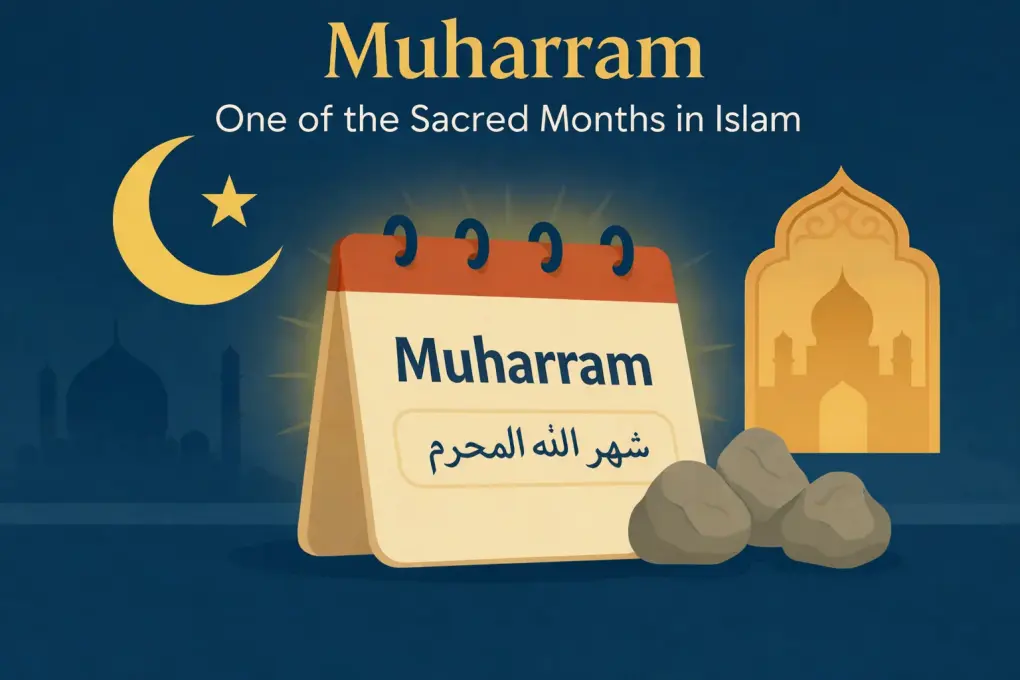
Illustration representing the Islamic month of Muharram as one of the sacred months in Islam.

The month of Muharram marks the dawn of the Islamic New Year. As the inaugural month of the lunar year, the virtues of Muharram are deeply rooted in Islamic jurisprudence and history. Understanding this month’s significance is essential for Muslims seeking to maximize their spiritual rewards and align themselves with the Prophetic traditions. Let us … Read more
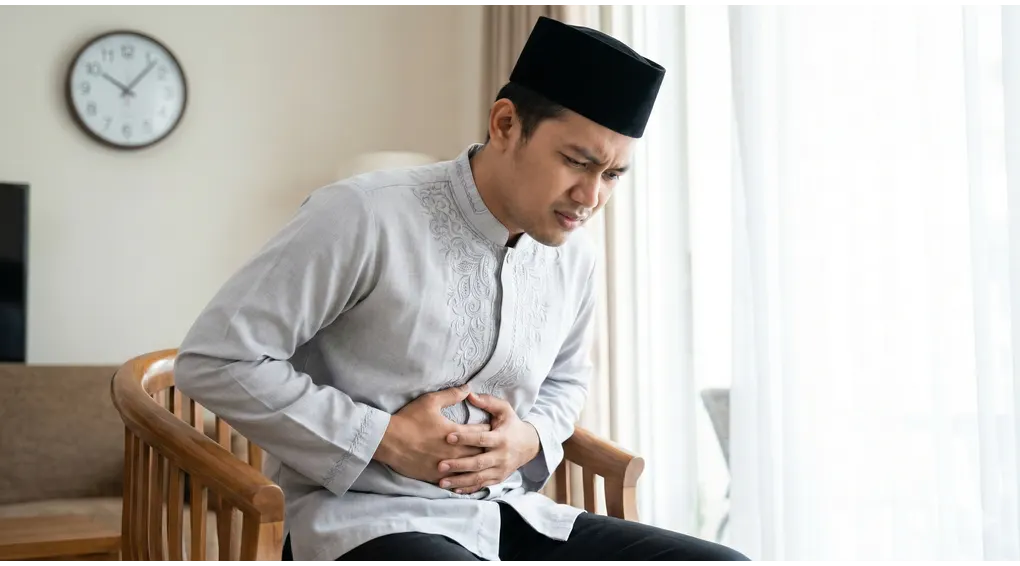
Does Vomiting Break Fasting? A Detailed Fiqh Analysis

vomit while fasting: Neatly dressed Muslim man holding his stomach, feeling nauseous while fasting during the day.

Fasting (al-ṣawm) is a profound act of worship. It trains us to exercise self-restraint (al-imsāk) from anything that invalidates the fast, from dawn to sunset. However, human physical condition is not always perfect. Sometimes, nausea caused by illness, motion sickness, or indigestion strikes suddenly during the day in Ramadan. This condition often leads to a … Read more

Emission of Semen While Fasting Due to Kissing or Touching: Does It Break the Fast?

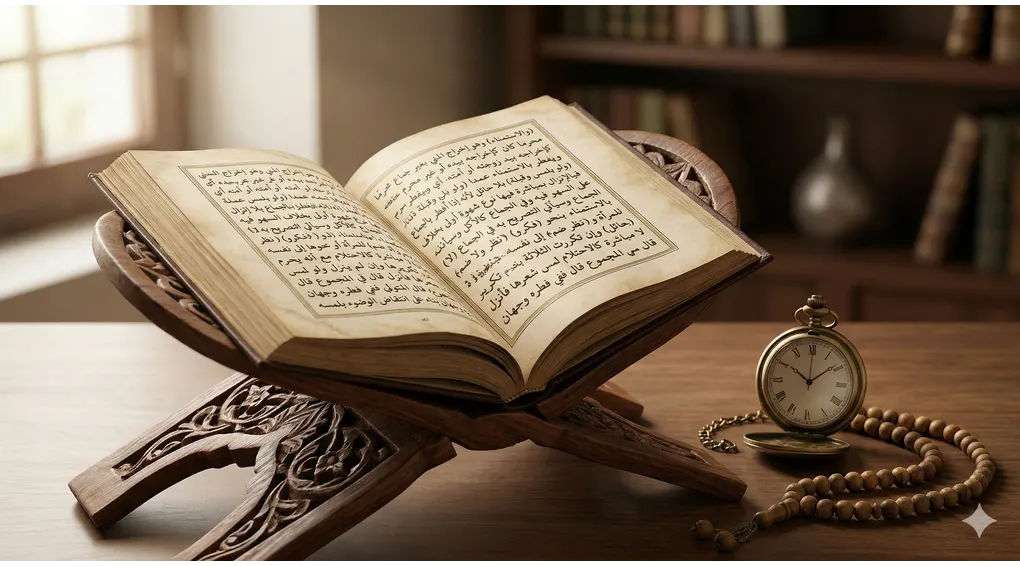
An open classical Arabic fiqh manuscript on a carved wooden book stand, a classic pocket watch, and a string of prayer beads in soft morning window light.

The worship of fasting (al-ṣawm) is a spiritual discipline demanding a believer to actualize al-imsāk (restraint). The essence of al-imsāk is not merely abstaining from hunger and thirst, but also rigorously controlling biological desires from the break of dawn until sunset. In married life, physical interaction between a husband and wife becomes a highly sensitive … Read more

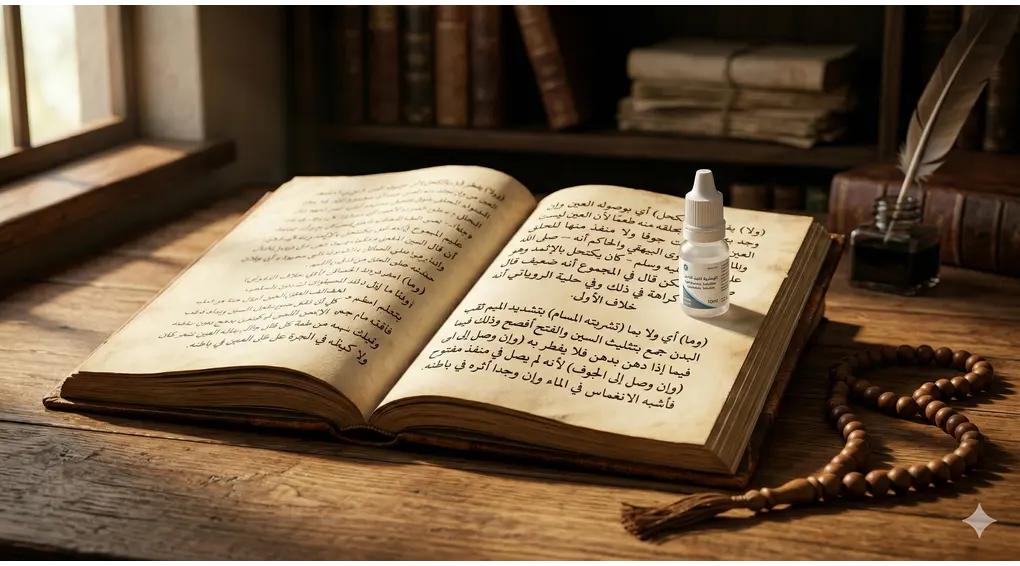
Do Eye Drops Break the Fast? An Analysis Based on Asna al-Matalib

An elegant, high-resolution still-life photograph on a warm wooden desk, featuring an open classical Arabic fiqh manuscript and a small modern medical eye drop bottle next to it, with wooden tasbih (prayer beads) coiling. Dramatic side-lighting.

The worship of fasting demands a believer to actualize al-imsāk, which is the complete restraint from all things that invalidate the fast from the break of dawn until sunset. In practice, the boundaries regarding things that invalidate the fast frequently intersect with daily medical needs. One specific issue that often sparks doubt among the Muslim … Read more

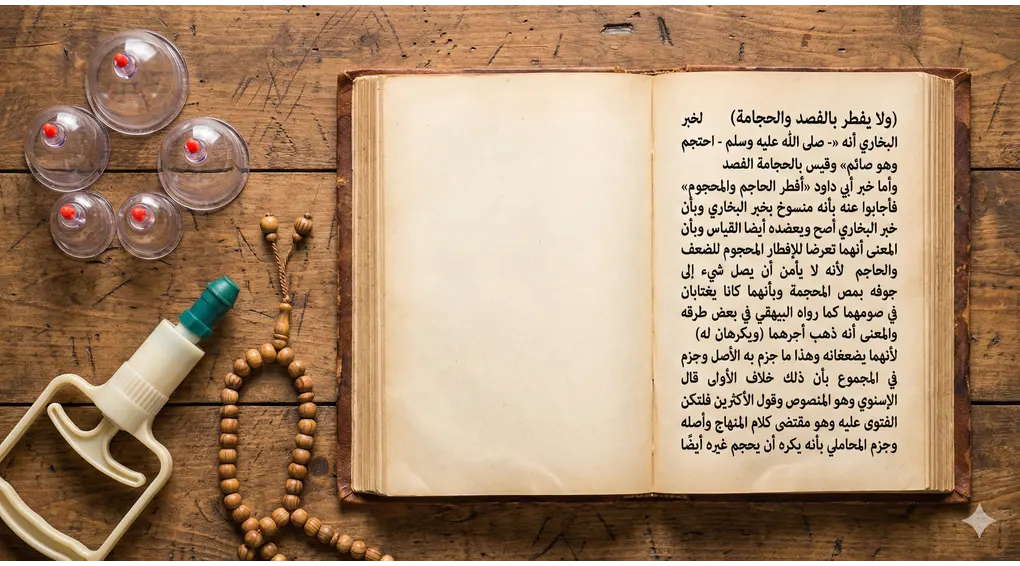
The Ruling on Cupping While Fasting According to Asna al-Matalib

A flat lay photograph on a wooden table featuring an open antique Arabic Fiqh manuscript discussing the ruling of cupping (hijamah) while fasting, next to modern plastic cupping cups, a manual suction pump, and a wooden tasbih.

The month of Ramadan is a golden moment for a believer to practice self-control (al-imsāk) and elevate spiritual quality. Fasting is not merely withholding from thirst and hunger; it is a profound medium for purifying the soul. However, in practice, Muslims often face medical issues or physical therapies during the day. One such treatment is … Read more

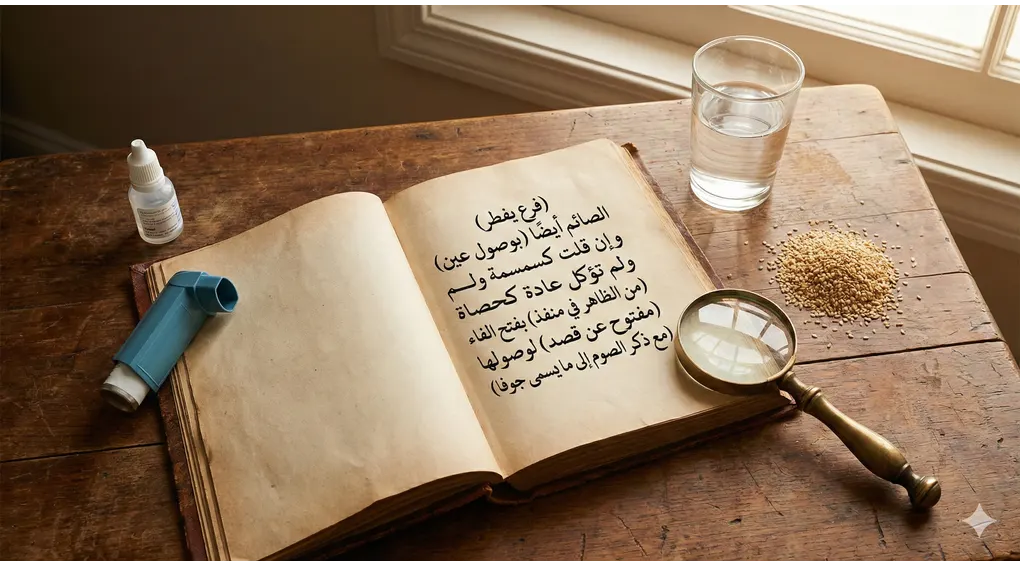
Shafi’i Fiqh Analysis: The Rule of Substances (Al-‘Ain) Entering Body Cavities While Fasting

A scholarly flat lay photograph featuring an open classical Arabic Fiqh book relating to fasting rules, alongside modern medical items like eye drops and an inhaler, a glass of water, seeds, and a magnifying glass on a wooden table.

The act of fasting (al-ṣawm) is a tangible manifestation of al-imsāk, which constitutes total restraint from all things that invalidate the fast from the break of dawn until sunset. This noble act of worship must, of course, be preceded by a sincere and correct intention for Ramadan fasting. In the scholarly tradition of the Shafi’i … Read more

The Immense Reward of Providing Iftar: Liberation from Hellfire & Special Supplications

An open antique Islamic manuscript next to a glass of milk, a glass of water, and three dates on a wooden table at sunset.

The holy month of Ramadan serves as a spiritual madrasa that educates every Muslim to sharpen their inner spiritual acuity and social sensitivity. One significant manifestation of this sensitivity is the practice of muwasah (empathy and caring) toward fellow servants of Allah who are observing the fast. Within classical Islamic literature, particularly in the book … Read more

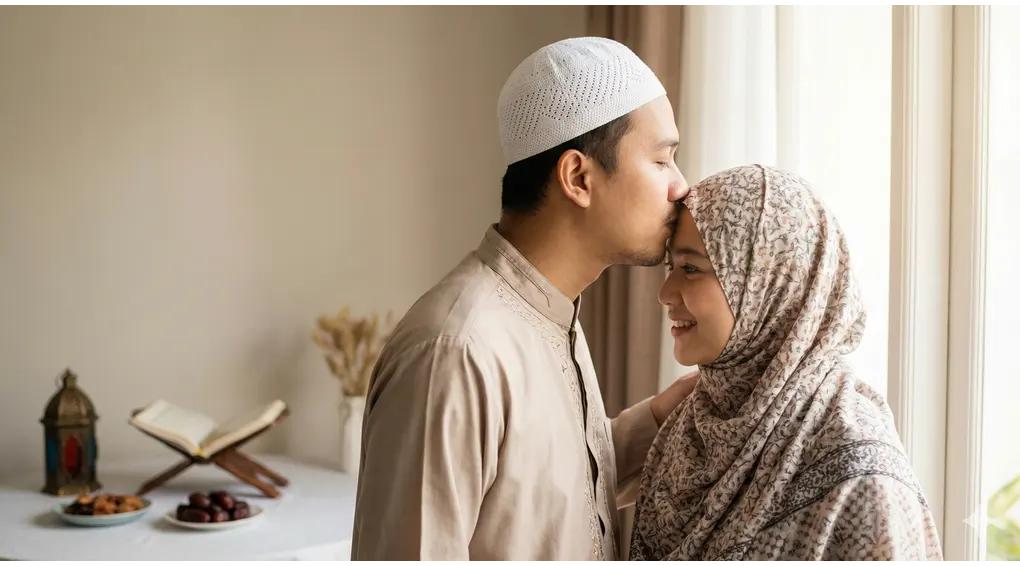
Does Kissing While Fasting Invalidate the Fast? The Islamic Ruling

A Muslim husband respectfully kisses his wife's forehead as a permissible (mubah) form of affection during the Ramadan fast.

The worship of fasting (al-ṣawm) is a medium for disciplining the soul and body. Its main essence lies in al-imsāk, namely refraining from everything that invalidates the fast from dawn until sunset. For individuals who are married, the challenge of fasting extends to the manner of physical interaction with their lawful spouses during the day. … Read more

Sunnah Prayer for the Iftar Host: Etiquette of Breaking Fast

A Muslim guest praying for the host's well-being after finishing a communal iftar in a warm atmosphere.

The tradition of gathering to break the fast with family or friends always colors the beauty of the holy month of Ramadan. This practice of feasting goes beyond the routine of merely eating. Sharing iftar meals is a means of worship with high value when the doer frames the intention with ikhlas (sincerity) and avoids … Read more

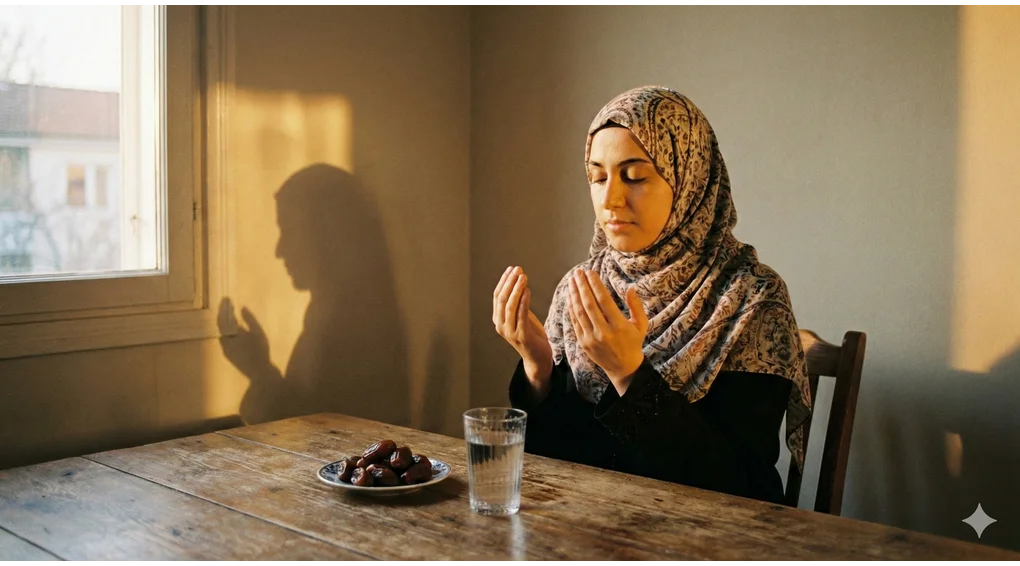
Authentic Fast-Breaking Prayer (Iftar): Sunnah & Pronunciation

A Muslim praying fervently in front of dates and water at sunset, awaiting the time to break the fast.

The worship of fasting is a spiritual journey that begins as we recite the prayer for seeing the new crescent moon; this will feel even more meaningful when concluded with gratitude at Maghrib. Noble character demands that we emulate the Messenger of Allah ﷺ in moistening the tongue with prayer, giving thanks for sustenance, and … Read more