

The moment of breaking the fast (ifṭār) is not merely a physical activity intended to alleviate hunger and quench thirst. Within the Islamic scholarly tradition, the time of sunset constitutes a highly auspicious spiritual station (maqām) for presenting our petitions to Allah ﷻ. After previously discussing the immense spiritual rewards for those who provide food in the article regarding the reward of providing iftar and liberation from hellfire, it is now time to examine the recommended recitations for the individual concluding their fasting worship.
For a believer, possessing a comprehensive repertoire of Sunnah iftar supplications is crucial to ensure that every precious second does not pass by in vain. The classical text Kanz al-Najāḥ wa-al-Surūr, authored by Shaykh ʿAbd al-Ḥamīd Quds, records a meticulous collection of these prayers, ranging from the recitation of istighfār (seeking forgiveness) right before the Maghrib call to prayer, to a specific, profound intimate prayer (munājāt) narrated by the noble companion Anas b. Mālik (may Allah be pleased with him).
The Virtues of Supplicating While Breaking the Fast
Before detailing the specific pronunciations of the prayers, Shaykh ʿAbd al-Ḥamīd Quds reminds us of the monumental value of the supplication made by a servant who has restrained their desires all day long, grounded in absolute sincerity (ikhlāṣ). On page 60 of his work, he cites a magnificent narration:
وروى ابن ماجه عن عبد الله بن عمر رضي الله تعالى عنهما قال: سمعت رسول الله صلى الله تعالى عليه وسلم يقول: «إن للصائم عند فطره لدعوةً ما تُرد»
Translation: Narrated by Ibn Mājah from ʿAbd Allāh b. ʿUmar (may Allah be pleased with them both), he said: I heard the Messenger of Allah ﷺ say, “Indeed, for the fasting person, when he breaks his fast, there is a supplication that is not rejected.”
Armed with the conviction of this divine promise regarding answered prayers, the pious predecessors (salaf) structured the sequence of dhikr and Ramadan fasting prayers to ensure that a servant’s heart is constantly enveloped in a state of absolute neediness (iftiqār) towards their Lord.
Supplications Before Sunset (Approaching Maghrib)

Moments before the Maghrib adhān echoes, a servant is highly encouraged not to be preoccupied solely with worldly affairs. The text of Kanz al-Najāḥ wa-al-Surūr recommends the recitation of the shahādah (testimony of faith), a plea for Paradise, and istighfār, each to be read three times:
Arabic Text:
أشهدُ أن لا إله إلا الله، أستغفرُ الله، أسألك الجنة وأعوذُ بك من النار (ثلاثا) اللهم إنك عفوٌّ كريمٌ تُحبُّ العفوَ فاعفُ عنّا (ثلاثا)
Transliteration: Ashhadu an lā ilāha illā Allāh, astaghfiru Allāh, asʾaluka al-jannata wa-aʿūdhu bika min al-nār (3x). Allāhumma innaka ʿafuwwun karīmun tuḥibbu al-ʿafwa fa-uʿfu ʿannā (3x).
Translation: “I testify that there is no deity worthy of worship except Allah, I seek forgiveness from Allah, I ask You for Paradise and I seek refuge in You from the Hellfire (3x). O Allah, indeed You are Pardoning and Generous; You love to pardon, so pardon us (3x).”
After uttering this remembrance, it is recommended to follow it up by praying for other important needs, both concerning worldly matters and the Hereafter (thumma yadʿū bi-al-muhimmi dunyā wa-ukhrā). Furthermore, if you are invited to break your fast at someone else’s residence, do not forget to practice the specific supplication for the host of the iftar.
The Special Supplication for the Forgiveness of Major Sins (Narration of Anas b. Mālik)
The erudite scholar, al-ʿAllāmah al-Sayyid al-Wanāʾī, quotes an extraordinary narration from the companion Anas b. Mālik (may Allah be pleased with him), originating directly from the words of the Messenger of Allah ﷺ. This prayer is recited when a person breaks their fast and possesses the profound virtue of totally cleansing sins, rendering one like a newborn baby—a true manifestation of sincere repentance (tawbah naṣūḥā).
Arabic Text:
ما من مسلم يصوم فيقول عند إفطاره: «يا عظيمُ يا عظيمُ أنت إلهي، لا إله غيرُك، اغفر الذّنب العظيم، فإنه لا يغفرُ الذنبَ العظيم إلا العظيمُ» إلا خرج من ذنوبه كيوم ولدته أمه.
Transliteration: Yā ʿAẓīmu yā ʿAẓīm, Anta ilāhī lā ilāha ghayruk, ighfir al-dhanba al-ʿaẓīm, fa-innahu lā yaghfiru al-dhanba al-ʿaẓīma illā al-ʿAẓīm.
Translation: “There is no Muslim who fasts and then says upon breaking his fast: ‘O the Most Great, O the Most Great, You are my God, there is no deity other than You, forgive the great sin, for indeed no one forgives the great sin except the Most Great,’ except that he emerges from his sins just as the day his mother gave birth to him.” (pp. 60-61)
Recognizing the tremendous virtue of this prayer, the Messenger of Allah ﷺ left a specific testament for his Ummah:
قال رسول الله صلى الله تعالى عليه وسلم: «علّموها عقِبكم فإنها كلمة يُحبها الله ورسوله، ويصلح بها أمر الدنيا والآخرة»
Translation: “The Messenger of Allah ﷺ said: ‘Teach this phrase to your descendants, for it is a phrase beloved by Allah and His Messenger, and through it, the affairs of this world and the Hereafter are rectified.'”
The Primary Sunnah Iftar Supplications Compiled by the Salaf
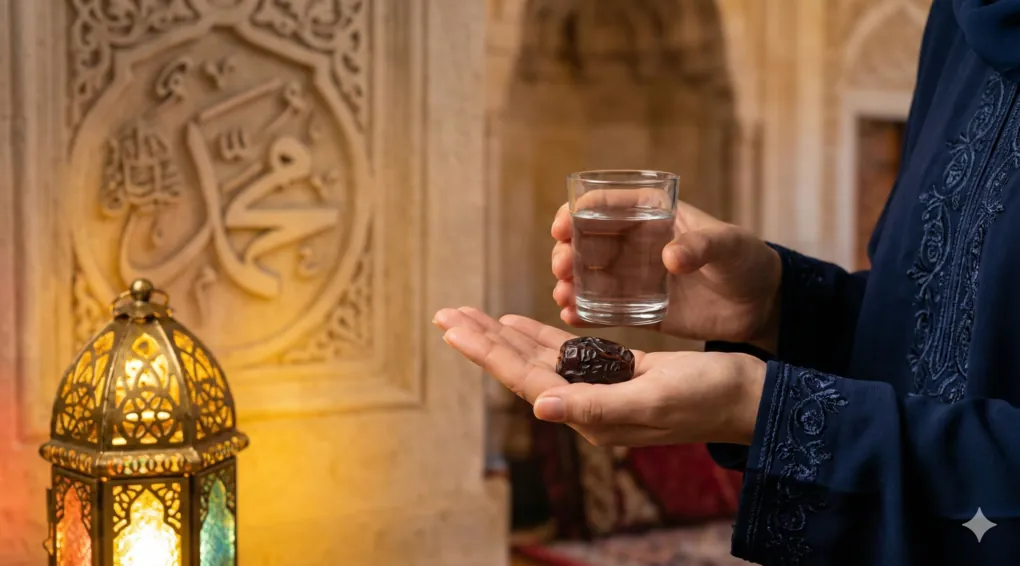
After breaking the fast with a date or a sip of water, Shaykh ʿAbd al-Ḥamīd Quds presents a comprehensive formulation of authentic sunnah iftar supplications. This prayer is a compilation of various authentic narrations and the established practices of righteous predecessors from the past (hādhā kulluhu wāridun jamaʿtu fīhi al-riwāyāt).
Complete Arabic Text:
اللهم لك صمتُ وعلى رزقِك أفطرتُ وبك آمنتُ وعليك توكّلتُ ورحمتَك رجوت وإليك أنبتُ. اللهم ذهب الظمأ وابتلت العُروقُ، وثبت الأجرُ إن شاء الله تعالى، يا واسعَ الفضل اغفر لي. الحمد لله الذي أعانني فصُمتُ، ورزقني فأفطرتُ. اللهم إني أسألك برحمتك التي وسعت كل شيء أن تغفر لي، سبحانك وبحمدك تقبل منا إنك أنت السميعُ العليمُ. اللهم إنك عفوٌّ كريمٌ تُحبّ العفوَ فاعفُ عنّا يا كريمُ.
Transliteration: Allāhumma laka ṣumtu wa-ʿalā rizqika afṭartu wa-bika āmantu wa-ʿalayka tawakkaltu wa-raḥmataka rajawtu wa-ilayka anabtu. Allāhumma dhahaba al-ẓamaʾu wa-ibtalat al-ʿurūqu wa-thabata al-ajru in shāʾ Allāh taʿālā, yā wāsiʿa al-faḍli ighfir lī. Al-ḥamdu li-Llāhi al-ladhī aʿānani fa-ṣumtu, wa-razaqanī fa-afṭartu. Allāhumma innī asʾaluka bi-raḥmatika al-latī wasiʿat kulla shayʾin an taghfira lī, subḥānaka wa-bi-ḥamdika taqabbal minnā innaka Anta al-Samīʿu al-ʿAlīm. Allāhumma innaka ʿafuwwun karīmun tuḥibbu al-ʿafwa fa-uʿfu ʿannā yā Karīm.
Translation: “O Allah, for Your sake I have fasted, and upon Your provision I have broken my fast, in You I have believed, upon You I have relied, Your mercy I have hoped for, and to You I have turned in repentance. O Allah, the thirst has gone, the veins are moistened, and the reward is confirmed, if Allah the Exalted wills. O You of Vast Bounty, forgive me. All praise is due to Allah who assisted me so that I fasted, and provided for me so that I broke my fast. O Allah, I ask You by Your mercy which encompasses all things to forgive me. Glory be to You, and with Your praise, accept from us; indeed, You are the All-Hearing, the All-Knowing. O Allah, indeed You are Pardoning and Generous; You love to pardon, so pardon us, O Generous One.”
This collection of Sunnah iftar supplications teaches us not to experience spiritual negligence (futūr) precisely at the moment we taste the blessings of the iftar meal. On the contrary, this series of remembrances binds our tongue to continuously attribute all blessings and salvation solely to Allah alone.
Guide to the Sequence of Iftar Supplications
To facilitate daily practice, below is the sequential procedure for reciting these prayers, based on the explanations of the scholars within the classical text:
| Time of Practice | Recommended Recitation | Spiritual Objective |
| Moments Before Maghrib | Shahādah, Istighfār, Requesting Paradise (3x), plus personal prayers. | Establishing Iftiqār (neediness) and heart readiness for the answered time. |
| When the Adhān Echoes | Supplication narrated by Anas b. Mālik (Yā ʿAẓīmu yā ʿAẓīm…) | Seeking the complete erasure of major sins (Tawbah Naṣūḥā). |
| After Breaking the Fast | The Salaf Compilation Prayer (Allāhumma laka ṣumtu…) | Expressing gratitude for the quenched thirst and praying for the fast to be accepted (Maqbūl). |
Conclusion
The time of breaking the fast is an unparalleled opportunity for spiritual elevation and seeking divine grace. By integrating these Sunnah iftar supplications into our daily Ramadan routine, we elevate a basic human necessity into a profound act of worship. Let us endeavor to memorize and sincerely recite these prayers, ensuring that our fasting culminates not only in physical discipline but in the ultimate attainment of Allah’s forgiveness and boundless mercy.
Frequently Asked Questions (FAQ)
Is it true that the supplication of a fasting person upon breaking the fast is not rejected?
Yes. There is a verified hadith narrated by Ibn Mājah from ʿAbd Allāh b. ʿUmar (may Allah be pleased with them), where the Prophet ﷺ explicitly stated: “Indeed, for the fasting person, when he breaks his fast, there is a supplication that is not rejected” (p. 60).
When is the best time to recite the dhikr requesting Paradise and forgiveness?
Remembrances such as the shahādah, seeking forgiveness, asking for Paradise, and seeking refuge from Hellfire are highly recommended to be recited repeatedly (three times) moments before sunset (qabla al-ghurūb). This should then be followed by personal supplications for worldly and afterlife needs.
What is the Prophet’s promise for those who recite the prayer “Yā ʿAẓīmu yā ʿAẓīm” narrated by Anas b. Mālik?
The Messenger of Allah ﷺ promised that whoever recites this specific prayer upon breaking their fast will emerge from their sins just as on the day their mother gave birth to them. He also left a testament that this prayer of forgiveness should be taught to our descendants.
Why is the iftar supplication so lengthy in the book Kanz al-Najāḥ wa-al-Surūr?
The lengthy phrasing is actually a compilation (jamaʿtu fīhi al-riwāyāt) by the author, who summarized various authentic narrations into one cohesive, comprehensive supplication. It covers everything from a declaration of submission (Allāhumma laka ṣumtu), to expressions of profound gratitude (dhahaba al-ẓamaʾu), and broad requests for divine forgiveness (yā wāsiʿa al-faḍli ighfir lī).
Reference
ʿAbd al-Ḥamīd b. Muḥammad ʿAlī Quds b. ʿAbd al-Qādir al-Khaṭīb, Kanz al-Najāḥ wa-al-Surūr fī al-Adʿiyah al-latī Tashraḥ al-Ṣudūr (Al-Maktabah al-Shāmilah al-Dhahabiyyah), p. 60.


