
Have you ever heard stories of a pious Kyai or a righteous scholar whose prayers seemed to pierce the heavens directly? When a community faces dire straits, such as a prolonged drought, these scholars supplicate, and shortly thereafter, the rain descends.
To the layperson, this phenomenon is often regarded as “supernatural power.” However, through the lens of sound Islamic creed (aqidah), no human being possesses independent power outside the omnipotence of Allah.
What, then, is the secret? Why are the prayers of these righteous individuals—whom we often refer to as the Wali Allah (Saints of Allah)—so efficacious (mustajab)?
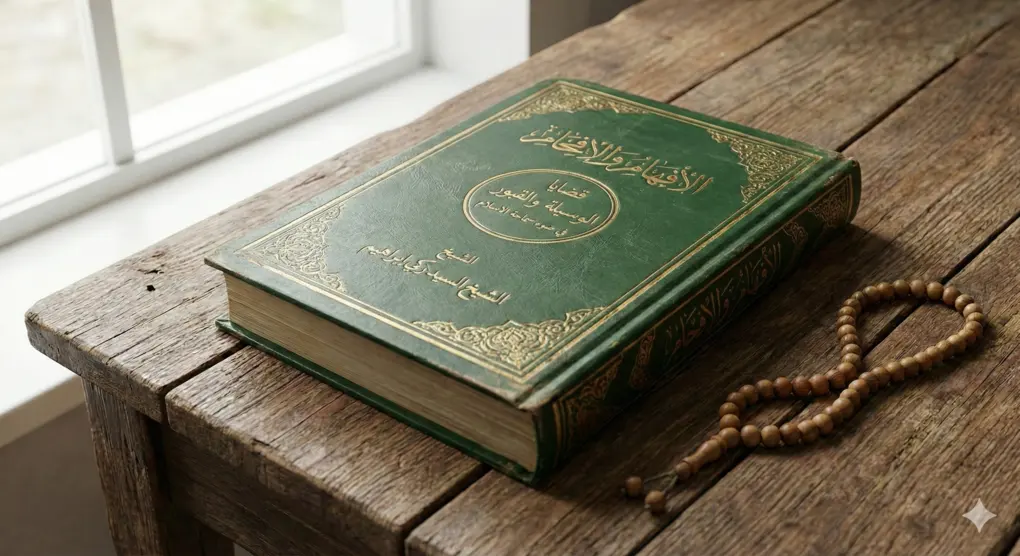
The answer lies in a profound theological understanding known as the Rabbani Concept. Let us dissect this secret by referring to authentic evidences and the explanations of esteemed scholars, such as Shaykh Sayyid Zaky Ibrahim in his remarkable work, Al-Ifham wal Ifham.
What is a Rabbani Servant? (Understanding the Basic Definition)
Before discussing their supplications, we must first understand who they are. The term “Rabbani” is derived from the word Rabb (Lord/Sustainer). A Rabbani servant is an individual whose entire life, every movement, and every desire have become fully aligned with the will of Allah SWT.
They are not merely those who perform many prayers or fasts. Beyond that, they are individuals whose hearts have been emptied of worldly desires and are filled only with Allah. Due to this extraordinary proximity (qurb), they attain a special position in His sight as the beloved of Allah.
When a person reaches this stage, what they ask for is no longer based on personal whim, but on what Allah is pleased with. This is the first key to why their prayers are rarely rejected.
The Secret Behind Efficacious Prayers (Scriptural Evidence)
The foundation of the Rabbani concept and the karamah (miracles) of the saints is not found in folklore, but originates directly from the words of Prophet Muhammad ﷺ through a very famous Hadith Qudsi.
Qudsi Hadith about the Waliyullah
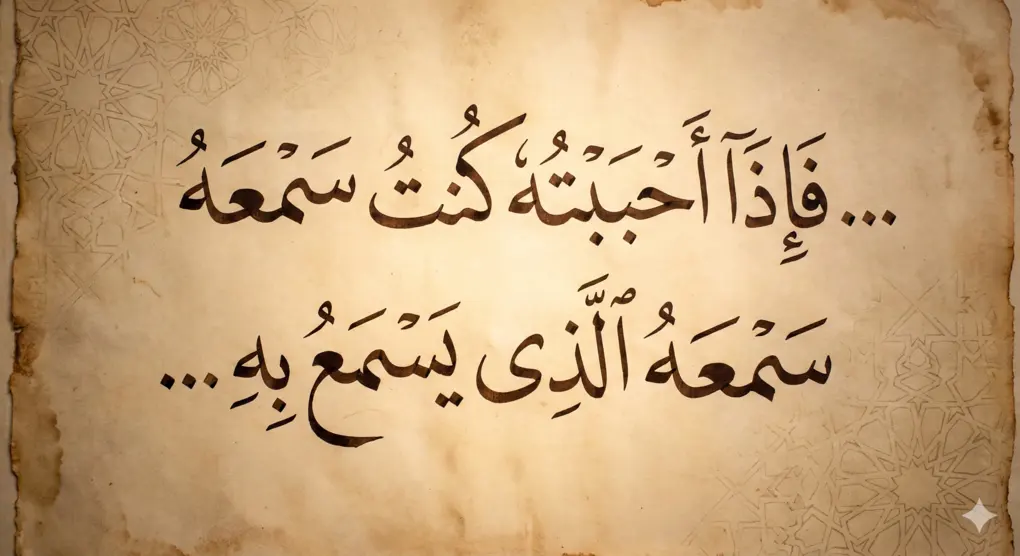
In a sahih hadith narrated by Imam Bukhari, Allah SWT describes how He treats the servant He loves. Observe the original wording of the hadith carefully:
وَمَا يَزَالُ عَبْدِي يَتَقَرَّبُ إِلَيَّ بِالنَّوَافِلِ حَتَّى أُحِبَّهُ, فَإِذَا أَحْبَبْتُهُ: كُنْتُ سَمْعَهُ الَّذِي يَسْمَعُ بِهِ, وَبَصَرَهُ الَّذِي يُبْصِرُ بِهِ, وَيَدَهُ الَّتِي يَبْطِشُ بِهَا, وَرِجْلَهُ الَّتِي يَمْشِي بِهَا, وَإِنْ سَأَلَنِي لَأُعْطِيَنَّهُ, وَلَئِنِ اسْتَعَاذَنِي لَأُعِيذَنَّهُ
“…And My servant continues to draw near to Me with voluntary works (nawafil) until I love him. When I love him, I become his hearing with which he hears, his seeing with which he sees, his hand with which he strikes, and his foot with which he walks. Were he to ask [something] of Me, I would surely give it to him; and were he to seek refuge with Me, I would surely grant him refuge.” (HR. Bukhari No. 6502)
This hadith is the bedrock of the Rabbani Concept. The phrase “I become his hearing… his seeing… his hand…” is a profound metaphor (majaz).
It means that when a Wali acts, perceives, or prays, they are no longer merely utilizing their frail human strength. It is Allah who “lends” His attributes. Allah’s will manifests through the actions of that beloved servant. Therefore, when a Wali raises their hands in prayer and it is answered instantly, it is in essence the Will of Allah manifesting through the tongue of His beloved servant.
The Analogy of the Vessel and the Content
To facilitate understanding—especially for those who fear this concept leads to shirk (polytheism)—Shaykh Sayyid Zaky Ibrahim provides a brilliant analogy in the book Al-Ifham wal Ifham.
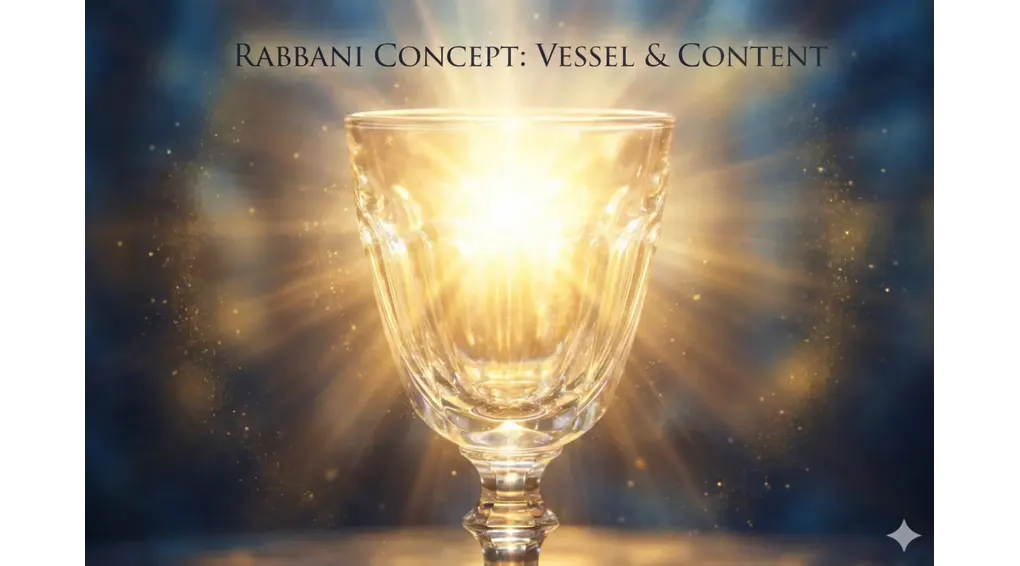
Imagine a clear glass vessel. If that vessel is filled with pure water exposed to sunlight, the glass will appear to glow brilliantly. The question is: Is it the glass itself that glows? Of course not. The glass is merely an inanimate object. The glow comes from the light that is within it or hitting it.
- The Vessel is like the physical body of the Wali.
- The Light/Pure Water is like the Divine Light (Nur Ilahi), faith, and the proximity to God residing within that Wali.
When we respect the saints, ask for their prayers, or perform tawassul through them, we are not worshipping the “vessel.” We are honoring them because of the extraordinary “content” that Allah has entrusted within them.
This is the Divine logic. A Wali (saint/guardian) is an instrument or tool of God on earth to demonstrate His Power. We respect the ‘Content’ (Divine Light) not the ‘Container’ (body). This is in line with the Elephant and Gold logic which affirms that we do not worship the physical material, but rather the spiritual value within it.
Historical Evidence: Not Own Power, But Allah’s Permission
We are already familiar with this concept through the stories of the Prophets. Think of Prophet Isa (Jesus) a.s., who was able to raise the dead and heal those born blind.
Did Prophet Isa possess that power as an ordinary human? No. He himself emphasized, as stated in the Qur’an, that all of it occurred “Bi idznillah” (by Allah’s permission).
Allah made Prophet Isa a cause or an intermediary for His decree to give life to the dead. Similarly with the karamah of the Awliya. When they pray and mountains move or rain falls, it is not the power of the Wali, but Allah demonstrating His power through the prayer of His beloved. They possess no autonomous power alongside Allah. This conviction is what guards us from shirk.
Distinguishing a Rabbani Wali from Sorcerers or Shamans
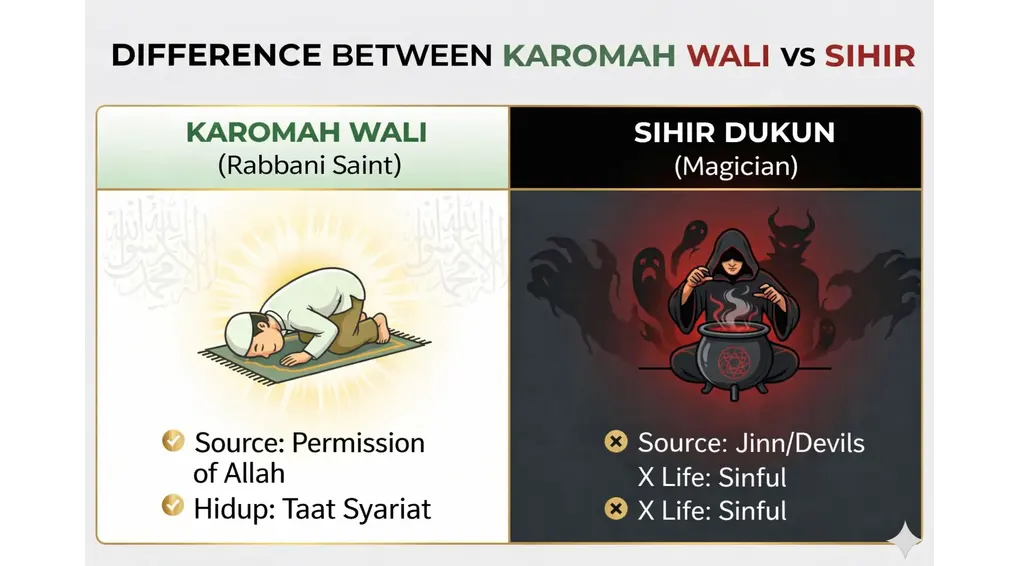
To avoid misconceptions, we must distinguish between the karamah of a Rabbani Wali and the “supernatural feats” of a shaman or sorcerer (Istidraj).
Here’s a simple comparison table:
| Aspect | Wali of Allah (Rabbani Servant) | Shaman / Sorcerer (Istidraj) |
| Source of Power | Total obedience to Allah & His Permission. | Assistance of Jinn/Satan via sinful rituals. |
| Way of Life | Strictly upholds Sharia (Prayer, Fasting, noble character). | Frequently violates Sharia or performs impure acts. |
| Purpose of Feat | Appears suddenly to help the Ummah or strengthen faith. | Flaunted for worldly gain, money, or popularity. |
| State of Heart | Tawadhu (humble), fears being known by people. | Arrogant, seeks recognition for their greatness. |
FAQ (Frequently Asked Questions about the Karamah of Saints)
Is it permissible to ask for a prayer from someone we consider a Wali?
It is highly permissible and even recommended. This is called Istishfa’ (seeking intercession/prayer). The companions of the Prophet often asked for prayers from the Prophet ﷺ while he was alive, and also from fellow companions considered righteous, such as Umar bin Khattab asking for a prayer from Uwais al-Qarni.
Can believing in the karamah of saints lead to shirk?
It can, if you believe that the Wali possesses an independent power separate from Allah. But if you believe—in accordance with the Rabbani Concept—that the Wali is merely an intermediary and everything happens by Allah’s permission, then that is sound aqidah.
How can one become a Rabbani servant so that our prayers are also answered?
The key is in the Hadith Qudsi mentioned above: Taqarrub (drawing near) to Allah. Start by perfecting obligatory acts of worship, then increase voluntary acts (nawafil) consistently, and purify the heart from worldly diseases until Allah loves you.
Conclusion
The prayers of the Awliya of Allah become efficacious not because they are super-humans or demi-gods. That efficacy is the fruit of their position as Rabbani servants.
Because of their intimate proximity to the Creator, Allah “lends” His hearing, seeing, and power through them. When they ask, it is in essence the Will of Allah working through the tongue of the servant He loves.
Understanding the Rabbani Concept increases our awe of Allah’s power, who can elevate the status of an ordinary human into His beloved, while simultaneously safeguarding our aqidah from excessive veneration. This concept serves as the foundational bedrock before we practice intercession in our daily lives.
Would you like me to help you draft a specific spiritual routine (wird) based on these Rabbani principles to enhance your own proximity to Allah?
Referensi
Ibrahim, Muhammad Zaki. Al-Ifhām and Al-Ifḥām: Issues of Intermediaries and Graves in the Light of Islamic Tolerance.


