A Complete Guide to Takbiratul Ihram in Shafi’i Fiqh: Meaning, Pronunciation, and 17 Essential Conditions
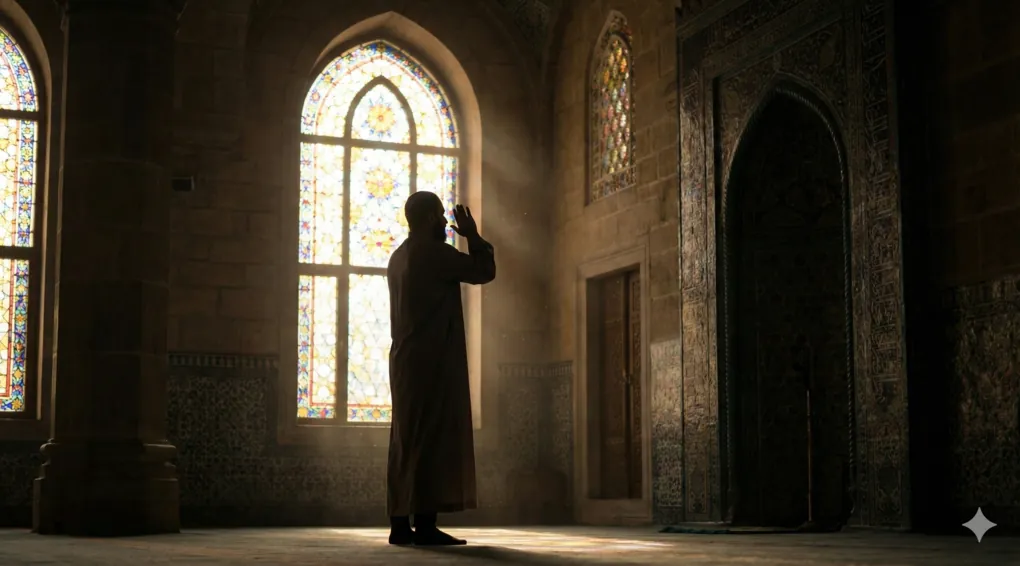
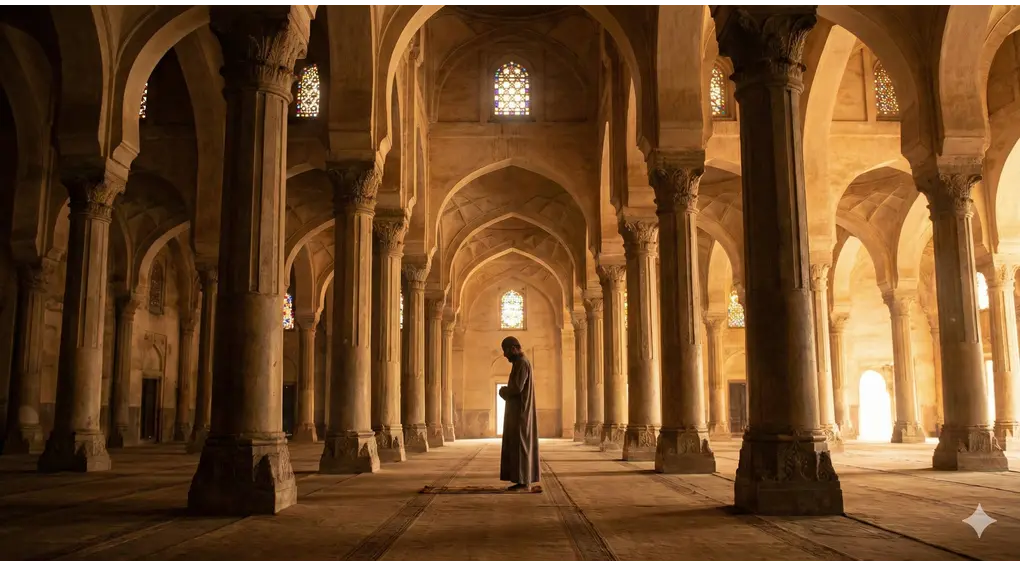
Silhouette of a Muslim man standing upright raising both hands performing takbiratul ihram inside a mosque illuminated by dramatic morning sunlight.

In the realm of Islamic worship, the initial step often determines the validity of the entire act. As previously explored in the article defining what is prayer (salah), the ritual prayer commences with the takbiratul ihram and concludes with the salam. If this foundational opening is flawed, the entire prayer sequence is considered null and … Read more
The Ruling and Number of Rak’ahs in Tarawih Prayer: A Shafi’i Fiqh Perspective

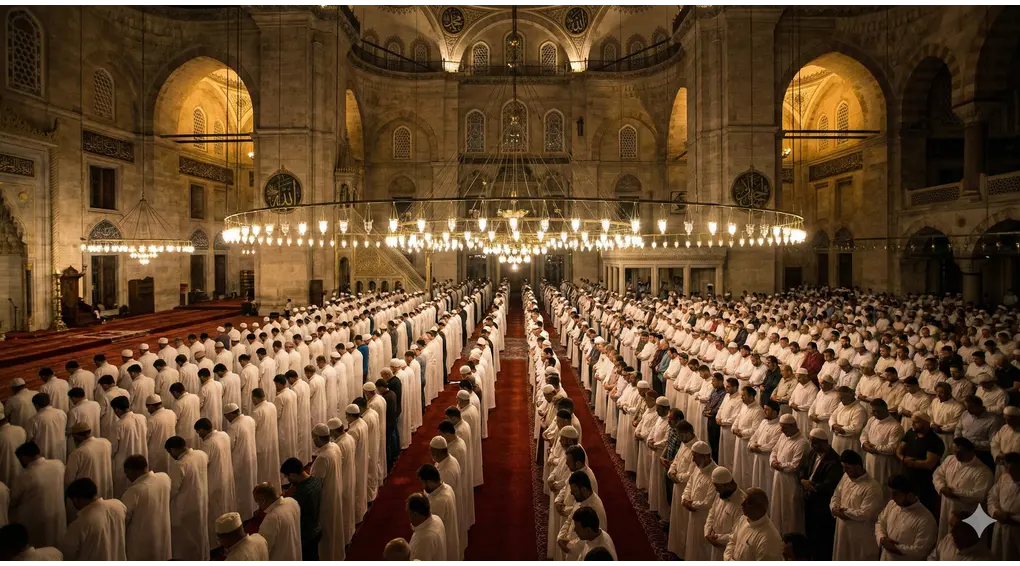
Ribuan jamaah pria berbaris rapi melaksanakan shalat Tarawih berjamaah di dalam interior masjid agung yang megah dengan cahaya keemasan pada malam Ramadhan.

The holy month of Ramadan consistently brings forth magnificent night worship. One of the most prominent acts is Qiyam al-Lail, which is widely recognized as the Tarawih prayer. In Islamic jurisprudence, particularly within the Shafi’i school of thought, the rules governing this worship are comprehensively detailed. The primary goal is to preserve the quality of … Read more

The Complete Guide to Sunnah Prayers Shafi’i Fiqh: Procedures, Virtues, and Evidence

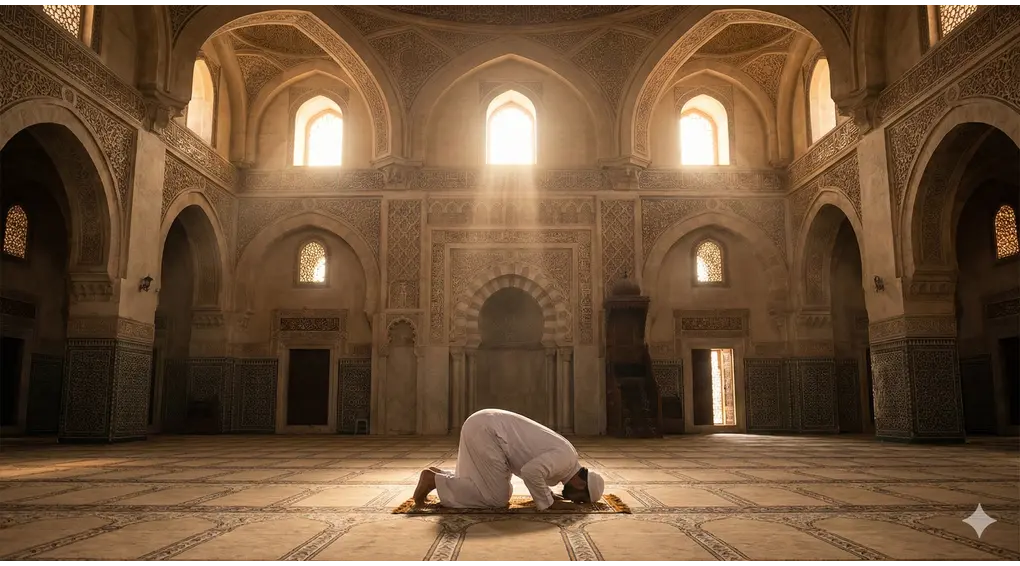
A Muslim in deep prostration during sunnah prayer in a grand mosque at dawn, symbolizing the essence of voluntary worship.

Prayer (salah) holds the highest and most noble position among physical acts of worship in Islamic law, second only to the declaration of faith (Shahadah). For Muslims seeking to perfect their daily worship, understanding the Sunnah prayers Shafi’i fiqh is profoundly essential. In the extensive literature of Shafi’i jurisprudence, specifically as expounded by Shaykh al-Islam … Read more

How Many Pillars of Prayer Are There? A Complete Explanation and Sequence

A silhouette of a Muslim man performing Salah surrounded by grand mosque pillars, representing the structural Rukun of prayer in Islam.

For Muslims, understanding the definition of Salah (prayer) is not merely about a daily routine; it is about upholding the central pillar of the religion. For this act of worship to be valid and accepted by Allah SWT, we are obligated to comprehend its conditions and pillars (Rukun). A question frequently asked by both laypeople … Read more

The Complete Guide to Salatul Hajah (Prayer of Need): Intention, Dua & Steps

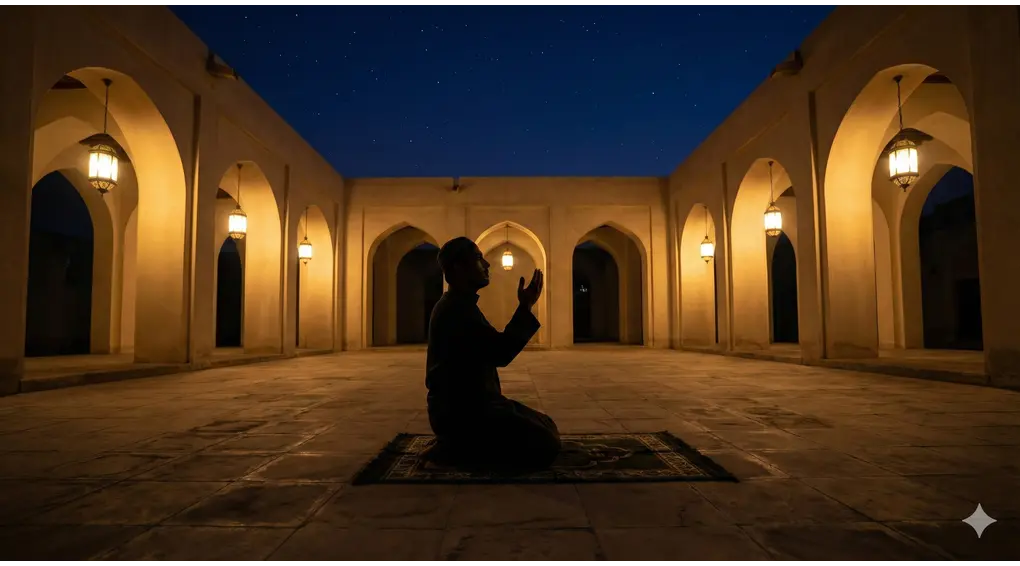
A lone Muslim kneeling in supplication on a prayer mat inside a mosque courtyard during the last third of the night, representing Salatul Hajah.

Every human being undoubtedly experiences desires and faces challenges. Sometimes, physical effort alone feels insufficient without knocking on the doors of heaven. This is where the profound significance of Salatul Hajah (The Prayer of Need) comes into play. For those seeking a way out of a difficult situation or yearning for a specific blessing, this … Read more

3 Acts of Worship That Require Wudu in Islam (Explanation from al-Fiqh al-Manhaji)

Close-up of a person's hands performing wudu (ablution) with clear flowing water at an ancient mosque stone basin during a golden sunset.

Wudu (ablution) is one of the most essential conditions of spiritual purity (Thaharah) in Islam. In Islamic jurisprudence, wudu is not merely a physical act of washing body parts; it possesses a profound spiritual dimension designed to prepare a believer to stand before Allah SWT. But specifically, what are the acts of worship that require … Read more

Rules of I’tikaf Nadhr & Consecutive Worship (Shafi’i Fiqh)

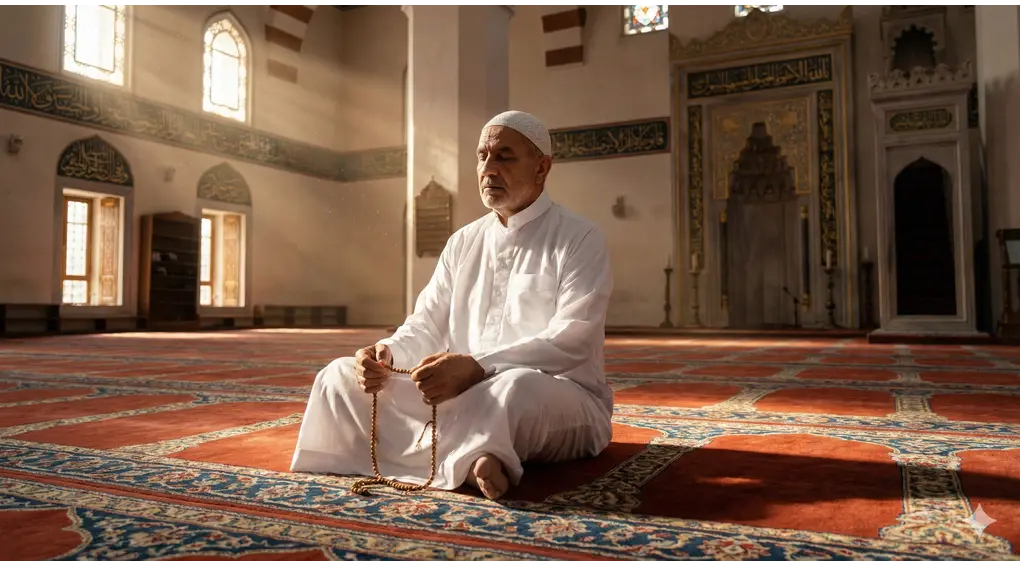
A Muslim man sitting devoutly in a sunlit mosque, symbolizing the solemn intention of making an i'tikaf nadhr (vow).

The worship of i’tikaf is originally established as a highly recommended sunnah (sunnah muakkadah). However, a servant of Allah may oblige this act upon themselves through a verbal commitment, known in Islamic jurisprudence as nadhr (a vow). Once an individual makes a vow to perform i’tikaf, its legal status shifts from sunnah to obligatory (wajib). … Read more

Rules of I’tikaf for Women in Shafi’i Fiqh: A Complete Guide

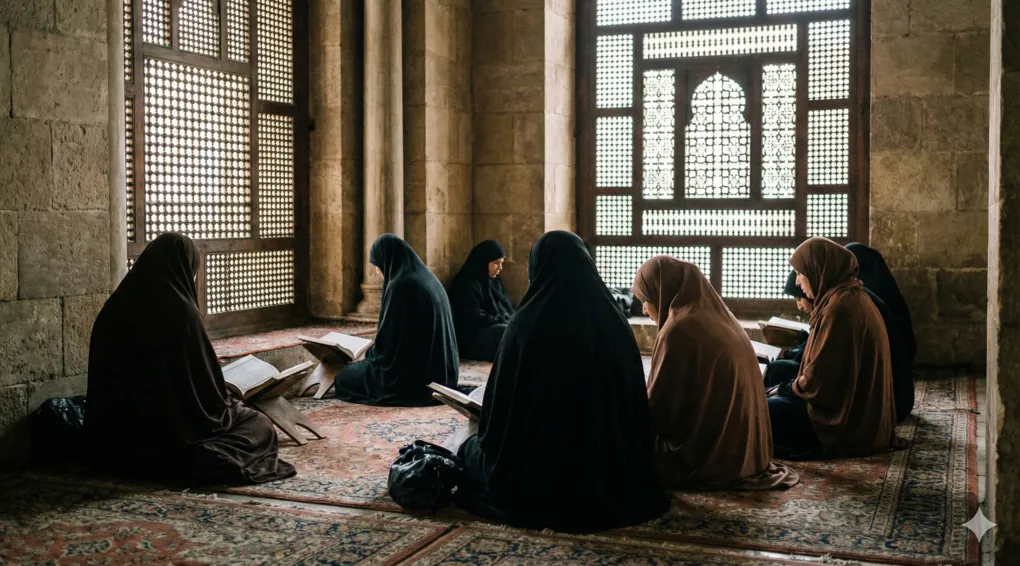
A documentary-style photograph of Muslim women in hijabs quietly reading the Quran and praying behind wooden mashrabiya screens in the dedicated women's section of a historic mosque.

The worship of I’tikaf is a magnificent spiritual practice for drawing closer to Allah the Exalted. The opportunity to attain its immense virtues is not limited to men; it is also widely open to Muslim women. Nevertheless, the Islamic Shari’ah establishes specific guidelines (dhawabith) and rules for women to preserve their honor and ensure the … Read more

Invalidators of I’tikaf and Rulings on Leaving the Mosque (Shafi’i Fiqh)

A contemplative photograph from inside a dimly lit mosque showing the silhouette of a Muslim man standing near an arched window looking outside, symbolizing the spiritual boundary of I'tikaf.

Performing the worship of I’tikaf demands purity of intention and physical discipline. A person who has anchored their heart to stay in the mosque must recognize the boundaries of the Sharia so that their worship is not ruined halfway through. In the literature of Shafi’i Fiqh, scholars have formulated strict guidelines regarding the invalidators of … Read more

The Etiquette of I’tikaf: Permissible & Disliked Acts in the Mosque

A Muslim man sitting silently in a grand mosque, demonstrating the proper etiquette of I'tikaf through quiet contemplation and reverence.

The presence of a servant inside the mosque with the intention of drawing closer to Allah the Exalted demands the observance of a noble etiquette of I’tikaf (adab). Nevertheless, the pure (hanif) Islamic Shari’ah does not strip humans of their natural disposition. There are various permissible (mubah) activities allowed by the jurists (fuqaha), as well … Read more