Understanding the Meaning of Salah: Linguistic Roots and Shariah Terminology in Islam
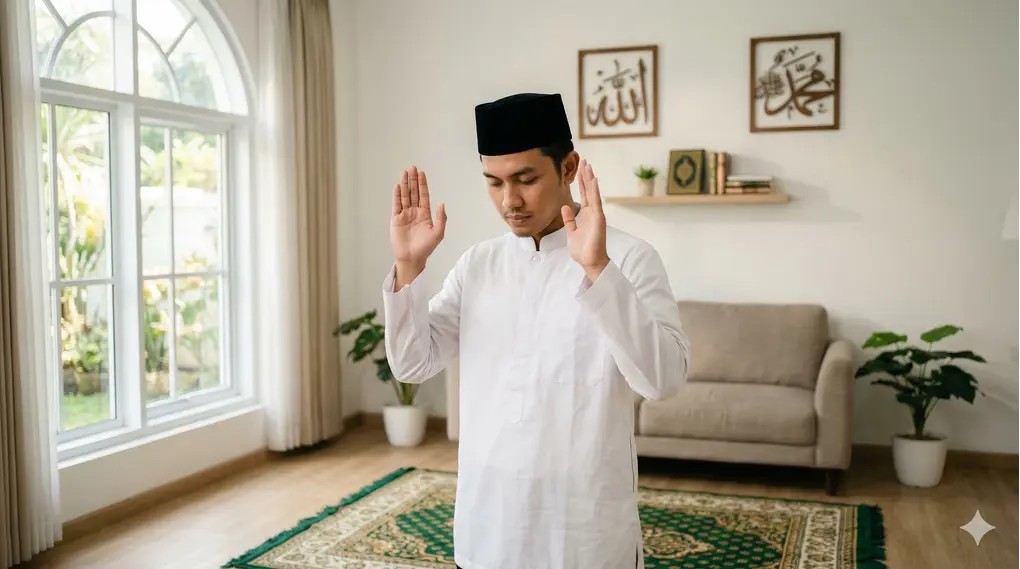
A devout Southeast Asian Muslim man stands in a modern home, raising both hands to ear level in the Takbiratul Ihram position to begin his prayer (sholat). Wooden calligraphy of Allah and Muhammad are on the wall in the background.

Salah (prayer) stands as the second pillar of Islam and is universally recognized as the most critical act of worship following the declaration of faith (Shahadah). It is the central pillar of the religion, the distinguishing mark between a Muslim and a non-Muslim, and the very first deed to be reckoned on the Day of … Read more


The Five Pillars of Islam: A Comprehensive Guide to Muslim Duties

A Muslim family (Father, Mother in syar'i hijab, Son) sitting together in a bright living room learning about the Five Pillars of Islam from a book. Background features Allah and Muhammad calligraphy.

Islam, as a religion of mercy to all the worlds (rahmatan lil ‘alamin), possesses a robust foundation that supports all of its teachings. This foundation is known as the Pillars of Islam. Understanding these principles is a crucial obligation for every Muslim, as these five pillars constitute the fundamental acts of worship mandated as a … Read more

Zakat Fitrah Priority Rules When Family Funds Are Limited

Zakat Fitrah priority rules: A Muslim family head sitting and thoughtfully calculating limited rice for Zakat al-Fitr, accompanied by his wife in hijab.

Fulfilling the ritual of spiritual purification at the end of Ramadan is an Islamic legal obligation directed at every Muslim individual. The foundational guidelines have been outlined in the comprehensive zakat guide, with specific operational details available in the Shafi’i school’s zakat fitrah manual. However, economic realities are not always ideal. What happens when a … Read more

Who Are the Zakat Fitrah Dependents for a Head of Family?

A Muslim household head measuring rice for Zakat al-Fitr, accompanied by his wife in modest hijab and their child, with "Allah Ahad" calligraphy.

Engaging in various Ramadhan worship practices is a profound means for Muslims to purify their souls and draw closer to Allah ﷻ. As the culmination of all worship in this sacred month, Islamic law mandates the payment of Zakat Fitrah. This financial worship (maliyah) is not merely a tradition of sharing; it is an integral … Read more

Recommended Sunnah Acts of Wudu: A Comprehensive Shafi’i Guide

Illustration of a Muslim man performing wudu with water flowing over his hands and a Quran beside him, representing sunnah acts of ablution.

Wudu (ablution) serves as the primary gateway to prayer, acting as a spiritual and physical ritual of purification (thaharah) from minor ritual impurity. While fulfilling the obligatory components (fardhu) ensures the legal validity of the act, performing the Sunnah acts of wudu elevates the worshiper’s reward and mirrors the perfection of the Prophetic tradition. By … Read more

Comprehensive Guide to Makruh Acts in Wudu in Shafi’i Fiqh

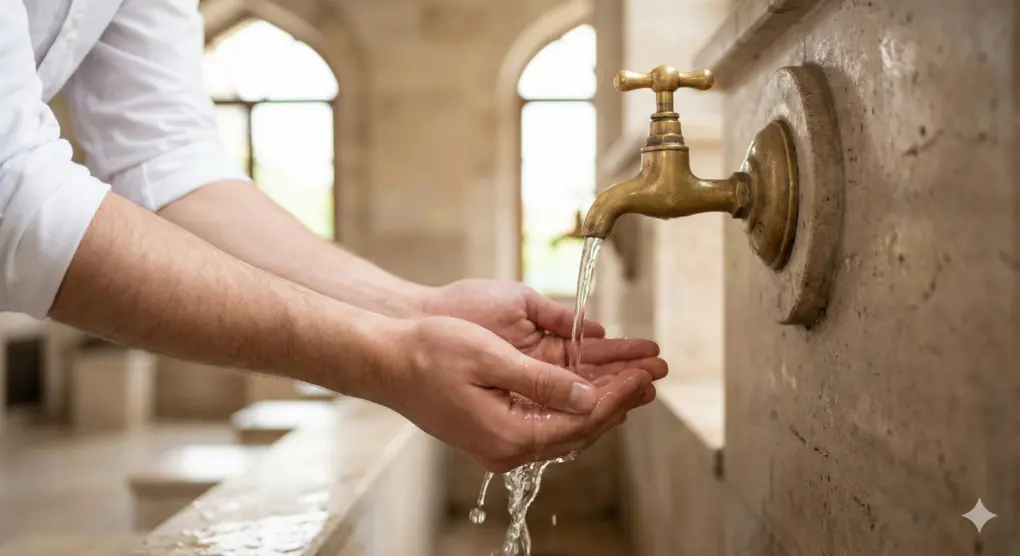
A clean and aesthetic mosque wudu area featuring Islamic architecture and gold faucets.

Wudu (ablution) is a fundamental prerequisite for performing daily prayers in Islam. As a vital part of purification, wudu is not merely a physical ritual but a spiritual reflection of a Muslim’s devotion to the teachings of Prophet Muhammad ﷺ. By understanding the linguistic and technical meaning of wudu, we recognize that achieving perfection in … Read more

13 Essential Conditions for Valid Wudu in Shafi’i Fiqh

Illustration showing a Muslim preparing for wudu with a faucet and the title conditions for valid wudu.

Every day, before standing before Allah in prayer, Muslims perform ablution. However, understanding the meaning of wudu goes beyond merely washing the face, hands, head, and feet. Have you ever paused to ask, “Is my ablution truly acceptable?” According to Islamic jurisprudence, perfection in this act of worship requires adherence to strict parameters. There are … Read more

A Comprehensive Guide to the 8 Asnaf of Zakat and Distribution Procedures

An amil zakat officer giving a gift box to a smiling Muslim family in front of a classical Islamic mosque.

The obligation to fulfill zakat does not end at calculating the nisab (minimum threshold) and haul (lunar year cycle). As a fundamental pillar for Muslims who are striving to master the pillars of Islam, the Shari’ah pays strict attention to the distribution procedure of this wealth. Misdirecting zakat funds to the wrong beneficiaries can invalidate … Read more

Complete Guide to Makruh Water: Islamic Rulings on Purification

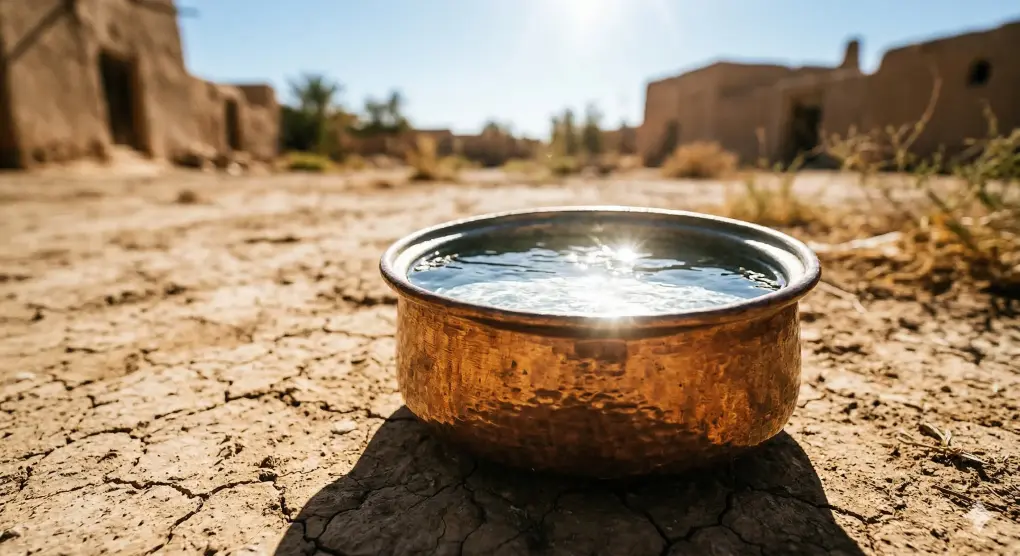
A weathered copper vessel filled with clear water, positioned on dry ground under intense, direct midday sunlight in an arid Middle Eastern landscape, demonstrating Musyammas water.

In the religious practice of Muslims, the purity of water plays a foundational role, particularly concerning the concept of ritual purification (thaharah). Water is not merely a fluid; it is the primary instrument for cleansing oneself from ritual impurities (hadath) and physical filth (najis). However, Islamic jurisprudence dictates that not all water holds the same … Read more

5 Things That Invalidate Wudu: A Comprehensive Shafi’i Guide

Hands cupping clear ablution water at a mosque’s wudu area, symbolizing the effort to maintain purity from things that invalidate wudu.

Wudu (ablution) is the Islamic method of purifying oneself before engaging in specific acts of devotion, such as the daily prayers (salah) and circumambulating the Kaaba (tawaf). Maintaining a valid state of purity is essential for these rituals to be accepted by Allah. However, certain human actions and conditions break this state. This article provides … Read more