
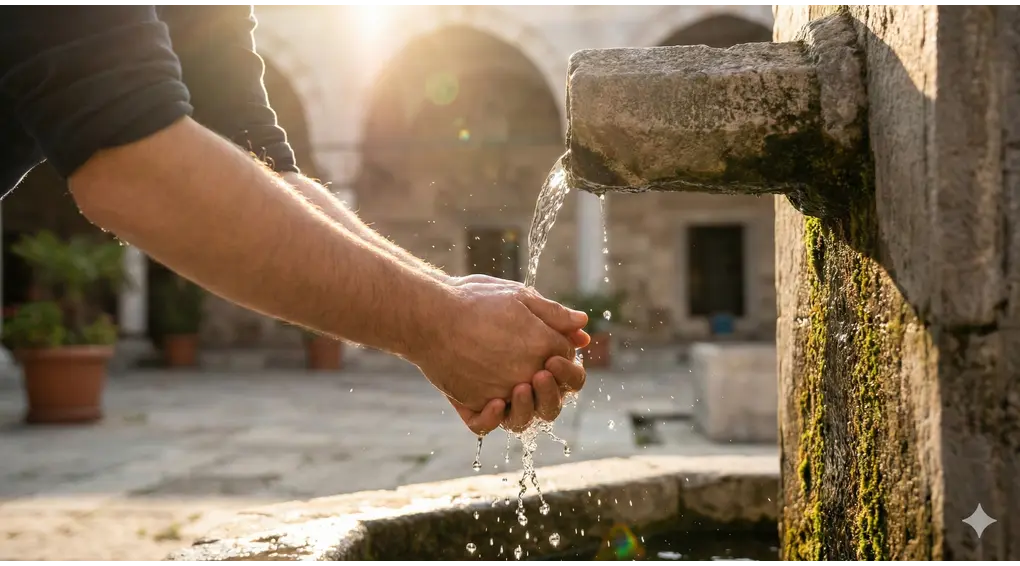
Wudu (ablution) is one of the most essential conditions of spiritual purity (Thaharah) in Islam. In Islamic jurisprudence, wudu is not merely a physical act of washing body parts; it possesses a profound spiritual dimension designed to prepare a believer to stand before Allah SWT.
But specifically, what are the acts of worship that require Wudu? This article will discuss the three primary acts that absolutely mandate a person to be in a state of ablution, as comprehensively detailed in the classical text al-Fiqh al-Manhaji, Volume 1, pages 63-64. We have also included the original Arabic text from the reference to strengthen its jurisprudential foundation.
The 3 Primary Actions That Mandate Wudu
According to the consensus of fiqh scholars, there are three main circumstances where wudu is an absolute, non-negotiable prerequisite. Without wudu, these acts of worship are deemed legally invalid in the eyes of the Sharia. Here is the explanation from al-Fiqh al-Manhaji regarding these three matters:
الأمور التي يشترط لها الوضوء الأمور التي يجب الوضوء من أجلها هي: ١ـ الصلاة… ٢ـ الطواف حول الكعبة… ٣ـ مس المصحف وحمله…
Meaning: “Matters for which wudu is a condition. The matters that require wudu are: 1. Salah (Prayer), 2. Tawaf (Circumambulating the Kaaba), 3. Touching and carrying the Mushaf (Quran).”
Below is a detailed breakdown of each point along with its foundational proofs from the Quran and Sunnah.
1. Wudu for Performing Salah (Prayer)
Salah is the pillar of the religion, and wudu is its key. The definition of Salah is a series of specific worship acts beginning with the Takbir and ending with the Salam, which must meet certain conditions—one of the most critical being purity from ritual impurity (hadath).
In the Holy Quran, Allah SWT commands:
يا أيها الذين آمنوا إذا قمتم إلى الصلاة فاغسلوا وجوهكم وأيديكم إلى المرافق وامسحوا برؤوسكم وأرجلكم إلى الكعبين
Meaning: “O you who have believed, when you rise to [perform] prayer, wash your faces and your forearms to the elbows and wipe over your heads and wash your feet to the ankles.” (Surah Al-Ma’idah: 6)
This verse serves as the primary legislative basis for the meaning of Wudu. Without wudu, a person’s prayer is rejected. This is sternly emphasized by the Prophet Muhammad ﷺ:
لا يقبل الله صلاة أحدكم إذا أحدث حتى يتوضأ
Meaning: “Allah does not accept the prayer of anyone among you if he breaks his ablution (experiences hadath) until he performs wudu.” (Sahih Al-Bukhari No. 135 and Sahih Muslim No. 225)
In another concise narration by Imam Muslim (No. 224), the Prophet ﷺ stated: “No prayer is accepted without purification.” This hadith confirms that wudu is an absolute prerequisite for both obligatory (Fard) and voluntary (Sunnah) prayers.
2. Wudu for Tawaf Around the Kaaba
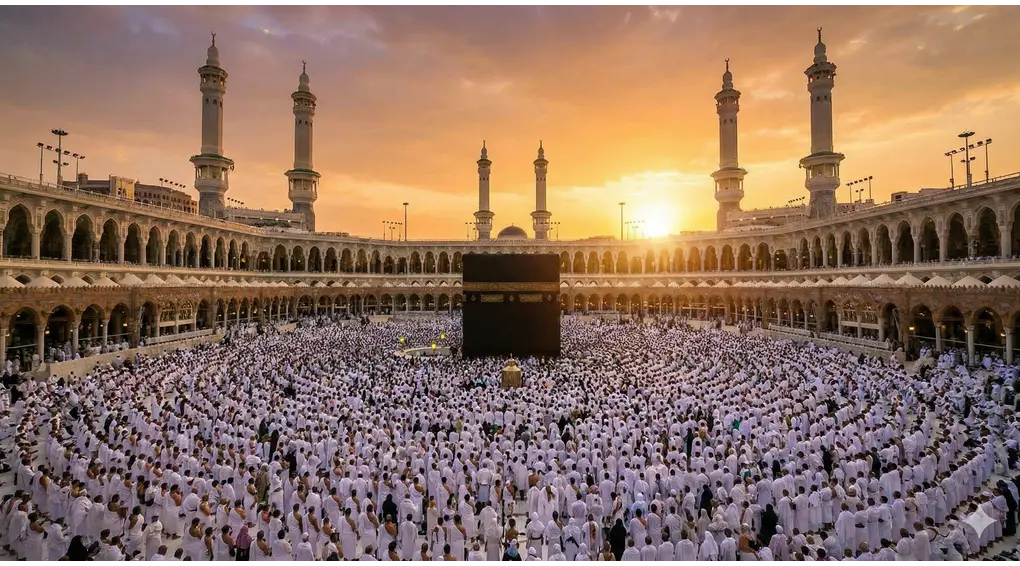
Tawaf (circumambulating the Kaaba seven times) is a sacred sequence and one of the core pillars of Hajj and Umrah. This act of worship absolutely requires wudu because the status of Tawaf is equated with Salah.
The book al-Fiqh al-Manhaji cites the following proof:
الطواف حول الكعبة: لأن الطواف كالصلاة تجب فيه الطهارة، قال رسول الله – صلى الله عليه وسلم -: “الطواف حول البيت مثل الصلاة، إلا أنكم تتكلمون فيه، فمن تكلم فيه فلا يتكلمن إلا بخير”
Meaning: “Tawaf around the Kaaba: because Tawaf, like Salah, requires purification. The Messenger of Allah ﷺ said: ‘Tawaf around the House is like Salah, except that you may speak during it. So whoever speaks in it, let him speak nothing but good.’” (Sunan At-Tirmidhi No. 960, authenticated by Al-Hakim)
If a pilgrim’s wudu breaks in the middle of performing Tawaf, they must step out of the crowd, renew their wudu, and then resume their circumambulation from the exact point they stopped. For deeper historical insights into these rituals, you can explore the history of Hajj.
3. Wudu for Touching and Carrying the Mushaf (Quran)



The Quran is the majestic Kalamullah (Word of Allah). Therefore, physically touching the pages or carrying the Mushaf requires a person to be in a state of ritual purity, free from both minor impurity (resolved by wudu) and major impurity (resolved by a major ritual bath / Ghusl).
Allah explicitly states:
لا يمسه إلا المطهرون
Meaning: “None touch it except the purified.” (Surah Al-Waqi’ah: 79)
This prohibition is further solidified by the words of Prophet Muhammad ﷺ:
لا يمس القرآن إلا طاهر
Meaning: “No one should touch the Quran except one who is pure.” (Narrated by Ad-Daraqutni)
It is important to note that this prohibition applies to physical contact with the paper or the attached cover of the Mushaf. If you are reciting the Quran from memory or reading it through a digital smartphone app, performing wudu is not a strict legal requirement, though it remains highly recommended as a form of excellent adab (etiquette) towards the divine revelation.
Why is Wudu So Important?
Wudu is far more than a routine of splashing water onto the skin. The Prophet ﷺ mentioned that the droplets of wudu water wash away minor sins from the washed limbs (the face, hands, and feet). The process of ablution instills a high degree of discipline, clears the mind, and readies the servant’s heart before engaging in a “dialogue” with their Lord.
Tips for Maintaining Valid Wudu
To ensure your wudu remains valid and your worship is accepted, adhere to these practical guidelines:
- Select the Right Water: Ensure you are using pure and purifying water (Mutlaq water). Water that has been altered by impurities or dominant foreign substances is invalid for ablution.
- Establish the Intention: The proper intention (Niyyah) in wudu is the deliberate resolve in your heart to perform the act of purification, done simultaneously as water touches the face for the first time. Without intention, it is merely washing your face.
- Follow the Sequence (Tartib): Perform the steps in the prescribed order; beginning with the face, washing the arms up to the elbows, wiping a part of the head, and washing the feet up to the ankles.
- Beware of Nullifiers: Avoid anything that breaks wudu, such as urination, defecation, passing wind, loss of consciousness, or sleeping deeply in a position where the buttocks are not firmly seated on the ground.
Conclusion
In summary, the acts of worship that require wudu unconditionally are performing Salah, executing Tawaf around the Kaaba, and physically touching or carrying the Mushaf of the Quran. This jurisprudential ruling from al-Fiqh al-Manhaji is built upon solid foundations from the Quran and Sunnah. By understanding the essence and rules of wudu, we hope our worship becomes more devout and gracefully accepted by Allah SWT.
Reference
Mustafa al-Khin, Mustafa al-Bugha, and Ali al-Syarbaji, al-Fiqh al-Manhaji ‘alā Madhhab al-Imām al-Shāfi‘ī, vol. 1 (Damascus: Dār al-Qalam, 1992), pp. 63–64.


