
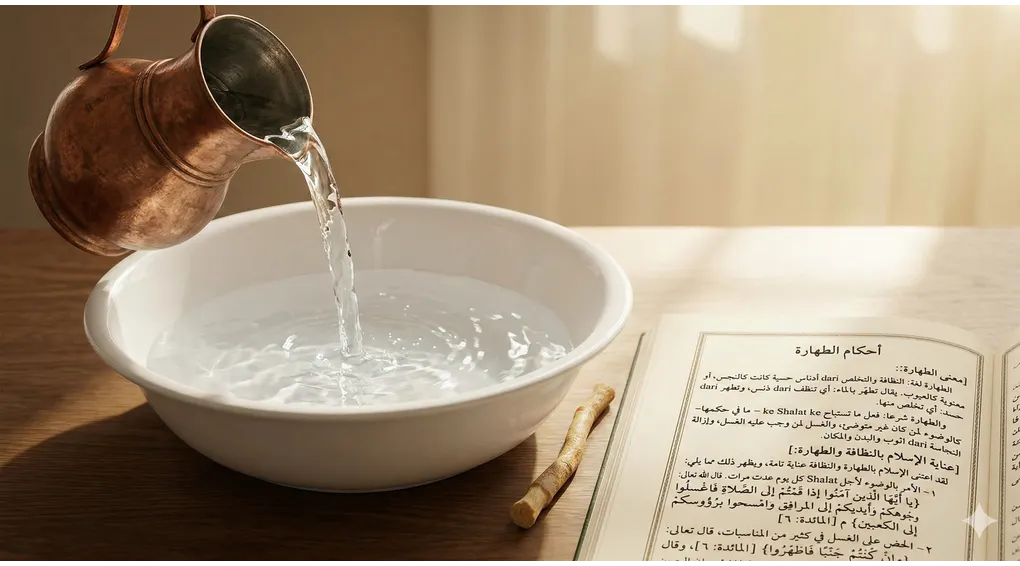
Thaharah is a fundamental concept in Islamic teachings that is inextricably linked to cleanliness and purity. For Muslims, understanding the meaning of thaharah goes far beyond merely maintaining physical cleanliness; it comprehensively encompasses the purity of the heart and soul. Before delving deeper, it is essential to realize that this teaching is an inseparable part of the effort in understanding the pillars of Islam in their entirety.
In this article, we will thoroughly discuss the meaning of thaharah, referencing the authoritative fiqh literature of the Shafi’i school, specifically the book al-Fiqh al-Manhaji ‘alā Madhhab al-Imām al-Shāfi‘ī. We will review the definition of thaharah according to both linguistic and Islamic legal (Shari’ah) perspectives, and explore how Islam positions it as an integral component of a believer’s daily life.
The Meaning of Thaharah According to Linguistics and Shari’ah
Fiqh scholars formulate the definition of thaharah systematically to facilitate its application by the Muslim community. This formulation is divided into two primary perspectives: linguistic (lughatan) and Islamic legal (syar’an).
The Linguistic Meaning of Thaharah
Linguistically, thaharah means cleanliness and the act of freeing oneself from all forms of dirt, whether physical (jasmani) or abstract/non-physical (maknawi).
The original text of the book al-Fiqh al-Manhaji states:
الطهارة لغة: النظافة والتخلص من الأدناس حسيَّة كانت كالنجس، أو معنوية كالعيوب. يقال تطهّر بالماء: أي تنظف من الدنس، وتطهر من الحسد: أي تخلص منه.
In the Arabic language, the word thaharah refers to the process of purification from physical filth, such as physical impurities, all the way to purification from diseases of the heart, such as envy and malice. For instance, a person is described as “tathahhara” when they clean their body using water, or when they successfully eradicate the trait of envy from their heart.
Consequently, the linguistic meaning of thaharah encompasses a highly holistic concept of cleanliness, touching both the outward and inward dimensions of a servant.
The Islamic (Shari’ah) Meaning of Thaharah
According to Shari’ah, the concept of thaharah is more specifically tied to the realm of ritual worship. The text of the book defines it as follows:
والطهارة شرعاً: فعل ما تستباح به الصلاة – أو ما في حكمها- كالوضوء لمن كان غير متوضئ، والغسل لمن وجب عليه الغسل، وإزالة النجاسة عن الثوب والبدن والمكان.
From a legal perspective, the meaning of thaharah is an action that renders a person permissible to perform acts of worship, such as the implementation of the obligatory prayer (shalat). Thaharah constitutes a series of purification acts which include: ablution (wudu) for those who are not in a state of ablution, the major obligatory bath (ghusl) for those in a state of major ritual impurity, and the physical removal of impurities from the body, clothing, or place of worship.
What is intended by thaharah in this context? It functions as the master key that unlocks the validity of worship. Wudu is mandated for those in a state of minor impurity, while the complete guide to the procedures of the obligatory bath (junub) is absolutely required after a person enters a state of junub (major impurity). Without proper thaharah, a person’s prayer will not be considered legally valid.
Islam’s Profound Attention to Cleanliness (Thaharah)
Islam places thaharah as one of the primary pillars in a Muslim’s life. The attention Islam gives to cleanliness is remarkably perfect (عناية تامة). Below are several tangible manifestations of how emphatically thaharah is stressed in Islam:
1. The Command of Wudu as a Prerequisite for Prayer




What is the role of thaharah in the context of daily worship preparation? Wudu is a form of thaharah that is obligatory every time one intends to establish prayer. The Qur’an explicitly commands it:
قال الله تعالى: {يَا أَيُّهَا الَّذِينَ آمَنُواْ إِذَا قُمْتُمْ إِلَى الصَّلاةِ فاغْسِلُواْ وُجُوهَكُمْ وَأَيْدِيَكُمْ إِلَى الْمَرَافِقِ وَامْسَحُواْ بِرُؤُوسِكُمْ وَأَرْجُلَكُمْ إِلَى الْكَعْبَينِ} [المائدة: 6]
Translation: “O you who have believed, when you rise to [perform] prayer, wash your faces and your forearms to the elbows and wipe over your heads and wash your feet to the ankles.” (Surah Al-Ma’idah: 6)
By performing wudu multiple times throughout the day and night using various types of absolute water, a Muslim constantly maintains their physical cleanliness and prepares their spiritual state to face the Creator.
2. The Recommendation for Obligatory and Sunnah Baths
In addition to wudu, the meaning of thaharah also includes the major bath (ghusl). The Qur’an affirms this obligation:
قال تعالى: {وَإِن كُنتُمْ جُنُباً فَاطَّهَّرُواْ} [المائدة: 6]
Translation: “And if you are in a state of janabah, then purify yourselves.” (Surah Al-Ma’idah: 6)
Furthermore, within social and health contexts, the Prophet Muhammad ﷺ also highly recommended taking a routine bath periodically, as stated in his noble words:
وقال رسول الله – صلى الله عليه وسلم -: ” لِلهِ عَلَى كلَّ مُسْلِمٍ أَنْ يَغْتَسِلَ فيِ كُلِّ سَبْعَةِ أَيَّامِ يَوْماً يَغْسِلُ فِيهِ رَأْسِهُ وَجَسَدَهُ” [رواه البخاري: 856، ومسلم: 849]
Translation: “It is a duty for every Muslim towards Allah to wash his head and body every seven days.” (Narrated by Bukhari and Muslim).
3. Maintaining the Fitrah of the Body, Clothing, and Environment
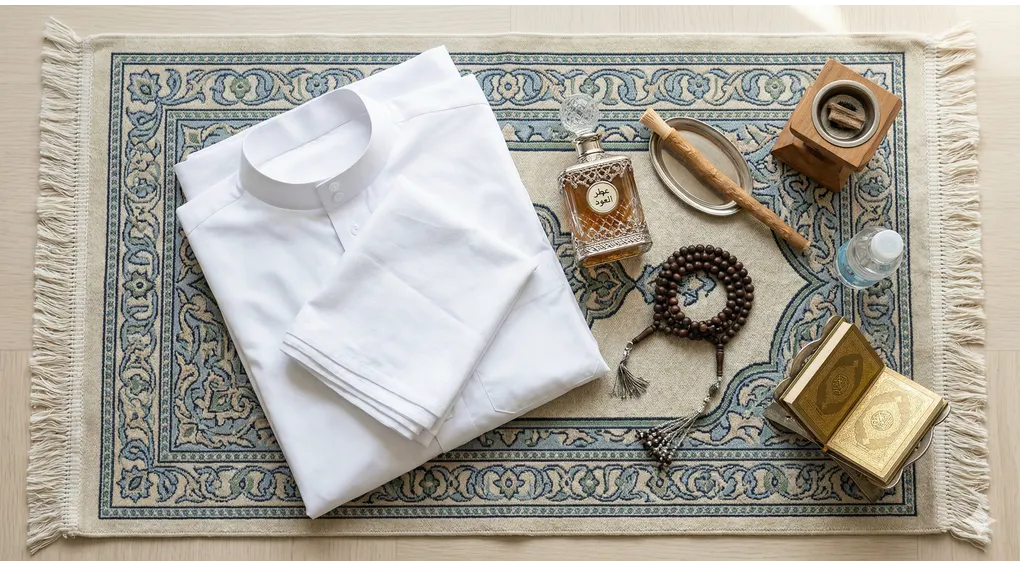
Islam teaches that the concept of thaharah is not strictly limited to wudu and the major bath. Personal grooming and bodily care are considered part of human nature (fitrah).
قال رسول الله – صلى الله عليه وسلم -: … ” خَمْسٌ مِنَ الفِطْرَةِ: الْخِتان، والاسْتِحْدَاد، َوَنْتفُ الإِبط، وَتَقْليمُ الأََْظافِر، وَقَصُّ الشَّاربِ” [رواه البخاري: 5550، ومسلم: 257].
Translation: “Five practices are characteristics of the Fitrah: circumcision, shaving the pubic region, plucking the hair under the armpits, clipping the nails, and trimming the mustache.” (Narrated by Bukhari and Muslim).
Additionally, brushing the teeth (using a siwak) is highly encouraged. The Prophet ﷺ said:
وقال – صلى الله عليه وسلم -: ” لّوْلاَ أَنْ أَشُقَّ عَلى أُمَّتي لأَمَرْتُهُمْ بِالسِّواكِ عِنْدَ كلِّ صَلاَةٍ” [رواه البخاري: 847، ومسلم: 252]. وفي رواية عند أحمد … [6/ 325] “مع كل وضوء”.
Translation: “Were it not that it would cause hardship to my Ummah, I would have commanded them to use the Siwak for every prayer.” (In Ahmad’s narration: “with every wudu”).
Moreover, the cleanliness of one’s clothing is prioritized:
وقال تعالى: {وَثِيَابَكَ فَطَهِّرْ} [المدثر: 4]
Translation: “And your clothing purify.” (Surah Al-Muddaththir: 4)
The Prophet ﷺ even reminded his companions to always appear neat, clean, and pleasantly scented so they would look presentable in society, for Allah ﷻ detests filth and foul appearances:
وقال النبي – صلى الله عليه وسلم – لأصحابه: ” إِنَّكُمْ قَادِمُونَ عَلى إِخْوَانِكُمْ، فَأَصْلِحوا رِحَالَكُمْ، وَاَصْلِحُوا لباسَكم، حتى تكونوا كأنكم شامةٌ في الناس، فإن اللهَ لا يحبّ الفُحْشَ وَلا َالتَّفَحُّشَ” (1) [رواه أبو داود: 4089]
Translation: The Prophet ﷺ said to his companions: “You are coming to your brethren, so repair your saddles and repair your garments, until you look like a beauty mark among the people, for indeed Allah does not like obscenity or acting obscenely.” (Narrated by Abu Dawud).
Thaharah as Half of Faith
What is the implication of thaharah within the dimensions of tasawwuf (Sufism) and spirituality? Thaharah holds an exceptionally privileged position in the sight of Allah. It acts as a direct reflection of one’s faith in Allah.
وقال تعالى: {إِنَّ اللهَ يُحِبُّ التَّوَّابِينَ وَيُحِبُّ الْمُتَطَهِّرِينَ} [البقرة: 222]
Translation: “Indeed, Allah loves those who are constantly repentant and loves those who purify themselves.” (Surah Al-Baqarah: 222)
The pinnacle of thaharah’s urgency is articulated by the holy lips of the Prophet ﷺ:
ولقد جعل الدين الطهارة نصف الإيمان، فقال – صلى الله عليه وسلم -: ” الطُّهور شَطْرُ الإيمان” [أخرجه مسلم: 223]
Translation: “Purity is half of faith.” (Narrated by Muslim).
This hadith asserts that cleanliness—both the body from physical filth and the heart from sins—serves as the primary foundation before a servant can claim to have perfectly practiced the total number of the pillars of faith.
How to Apply Thaharah in Daily Life
To translate the theoretical meaning of thaharah into daily practice, here are several applicable steps:
- Perfecting Wudu: Perform wudu in accordance with fiqh procedures (washing the entire face, arms up to the elbows, wiping the head, and washing feet to the ankles) without wasting water.
- Timely Obligatory Bath: Promptly perform the obligatory bath (ghusl) after being in a state of major impurity (such as junub or menstruation) so you are not prevented from performing the daily prayers.
- Caring for the Body’s Fitrah: Schedule routine grooming, such as clipping nails, trimming the mustache, and maintaining the cleanliness of private areas (at maximum every 40 days).
- Using a Siwak/Toothbrush: Make it a habit to clean your mouth every time before prayer or wudu.
- Environmental Sterilization: Ensure your clothes, body, and prayer area remain free from najis (impurities). Familiarize yourself with the various valid media for thaharah permitted for purification under Shari’ah.
Conclusion
The meaning of thaharah spans a wide spectrum of physical and spiritual purity that forms the lifeblood of Islamic teachings. Thaharah is a sacred procedure that not only serves as a legal prerequisite for the validity of worship but also functions to maintain health, aesthetics, and the purity of the heart.
Linguistically, thaharah signifies absolute cleanliness. Meanwhile, according to Shari’ah, it refers to a series of specific actions such as wudu, the obligatory bath, and the procedures for removing impurities. By understanding the true essence of thaharah and disciplining oneself in its application, a Muslim will live with physical cleanliness and a tranquil soul, earning the love and pleasure of Allah ﷻ.
Frequently Asked Questions (FAQ)
What is the fundamental difference between the linguistic and Shari’ah meanings of thaharah?
Linguistically, thaharah generally means cleanliness from both physical dirt and spiritual flaws (like envy). Under Shari’ah, it specifically refers to ritual purification acts (like wudu and ghusl) required to make acts of worship, such as prayer, legally permissible.
Why is thaharah considered “half of faith” in Islam?
Thaharah is called “half of faith” because physical and spiritual purification prepares a believer to connect with Allah. It signifies that faith is incomplete without the diligent removal of physical impurities and spiritual sins.
Does thaharah only involve washing with water?
While water is the primary medium for purification, thaharah also encompasses personal hygiene (trimming nails, using a miswak) and spiritual purification (repenting from sins and clearing the heart of malice).
Reference
Muṣṭafā al-Khin, Muṣṭafā al-Bughā, and ʿAlī al-Syarbajī, Al-Fiqh al-Manhajī ʿalā Madhhab al-Imām al-Shāfiʿī, vol. 1 (Damascus: Dār al-Qalam, 1992), pp. 27–28.


