
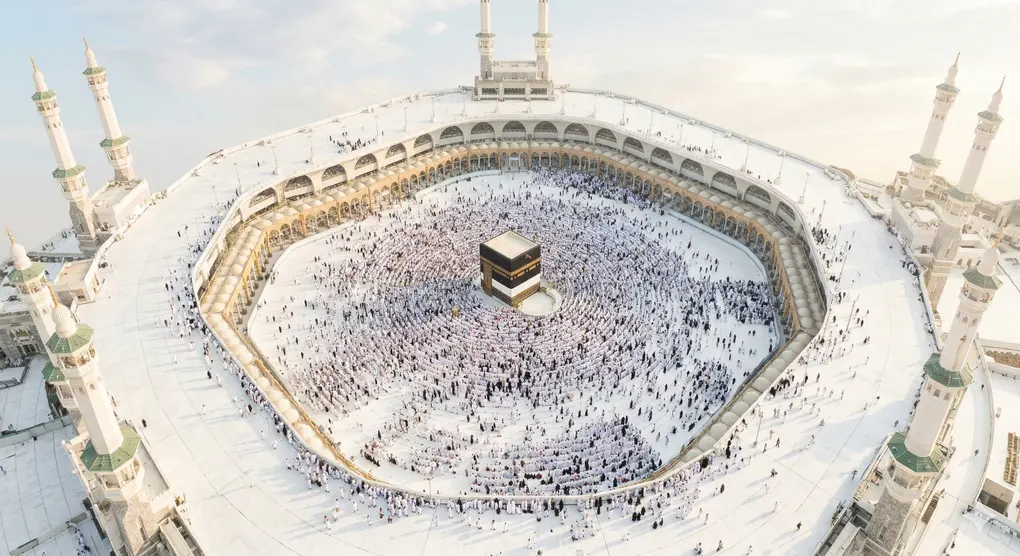
The Hajj pilgrimage constitutes the fifth pillar of Islam, serving as an absolute obligation for every physically and financially capable Muslim. Far transcending a mere sequence of physical rituals, this sacred journey holds immense lessons and profound meaning for a believer’s life. Comprehending the fundamental meaning of Hajj is the first step toward spiritual realization.
Within the rich intellectual heritage of Islamic scholarship, particularly in the jurisprudence of worship, the wisdom of Hajj has been extensively analyzed by classical scholars. The authoritative Shafi’i text, Al-Fiqh al-Manhaji (Volume 2, pages 118-121), meticulously unpacks the underlying purposes and extraordinary benefits of the Hajj and Umrah pilgrimages. Understanding this profound wisdom can significantly elevate a pilgrim’s motivation and reverence, ultimately manifesting positive transformations in their daily life.
The Foundational Wisdom of Hajj and Umrah
Al-Fiqh al-Manhaji elucidates that every divine law and obligation ordained by Allah (SWT) fundamentally aims to realize the welfare (maslahah) of His servants, both in this temporal world and the eternal Hereafter. This forms the very legal basis of Hajj and Umrah. Allah (SWT) declares in Surah Al-Hajj, verse 28:
Original Text (Arabic):
لَقَدْ شَرَعَ اللَّهُ لِعِبَادِهِ الشَّرَائِعَ وَفَصَّلَ لَهُمُ الْأَحْكَامَ تَحْقِيقاً لِّمَصَالِحِهِمُ الْعَاجِلَةِ وَالْآجِلَةِ فِي الدِّينِ وَالدُّنْيَا. وَلَقَدْ أَشَارَ الْقُرْآنُ الْكَرِيمُ عِندَ ذِكْرِ الْحَجِّ إِلَى وُجُودِ مَنَافِعَ لِلنَّاسِ وَمَصَالِحَ لَهُمْ، فَقَالَ تَعَالَى: {لِّيَشْهَدُوا مَنَافِعَ لَهُمْ وَيَذْكُرُوا اسْمَ اللَّهِ فِي أَيَّامٍ مَّعْلُومَاتٍ عَلَى مَا رَزَقَهُم مِّن بَهِيمَةِ الْأَنْعَامِ فَكُلُوا مِنْهَا وَأَطْعِمُوا الْبَائِسَ الْفَقِيرَ}
Translation:
“Indeed, Allah has legislated laws for His servants and detailed the rulings to realize their welfare in this world and the Hereafter, both immediate and deferred. And indeed, the Noble Qur’an, when mentioning Hajj, points to the existence of benefits and welfare for humanity. Allah the Almighty says: ‘{That they may witness benefits for themselves and mention the name of Allah on known days over what He has provided for them of [sacrificial] animals. So eat of them and feed the miserable and poor.}’ (QS. Al-Hajj: 28).”
Explanation: This Qur’anic verse serves as the foundational proof that divine commands harbor comprehensive benefits for humanity. The eminent companion Ibn Abbas (RA), in his exegesis of this verse, categorized these benefits into worldly and otherworldly spheres. The ultimate otherworldly benefit is attaining the absolute pleasure of Allah. Concurrently, the worldly benefits encompass physical vitality, permissible sacrifice, and economic trade. A holistic understanding of Fiqh reveals the immense richness behind these divine mandates.
The Multifaceted Wisdom and Benefits of Hajj
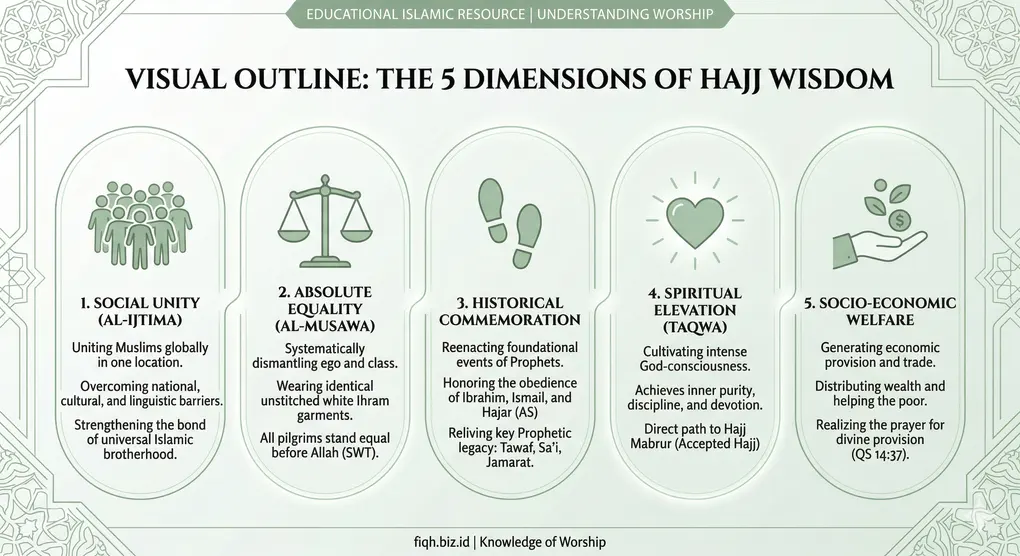
Al-Fiqh al-Manhaji categorizes the primary wisdom of Hajj into several vital spiritual and socio-economic dimensions:
1. Social Wisdom and Islamic Unity
Original Text (Arabic):
أولاً: اجتماع المسلمين: اعلم أن مبنى هذا الدين على الاجتماع والتآلف بين المسلمين… ثانياً: إحياء حقيقة الأخوة الإسلامية وإبرازها بشكل محسوس… ثالثاً: شد المسلمين جميعاً مهما تباعدت ديارهم إلى محور مكة المكرمة…
Translation:
“First: The gathering of Muslims. Know that the foundation of this religion rests upon unity and harmony among Muslims. Therefore, Allah the Exalted made most of His legislated acts of worship a pathway for various forms of gathering among them. He established a gathering repeated five times daily at the neighborhood level, legislating congregational prayers to organize it. He established another gathering repeated once a week at the city level, legislating the Friday prayer to organize it. And He established another gathering repeated once a year at the global level of all Islamic lands, legislating the Hajj to His Sacred House to organize it. Second: Reviving the reality of Islamic brotherhood and manifesting it tangibly, rendering language barriers and geographical distances irrelevant… Third: Drawing all Muslims, no matter how distant their homelands, to the focal point of Makkah Al-Mukarramah, the dawn of Islam on earth…”
Explanation: The quintessential wisdom of the Hajj pilgrimage lies in strengthening the bonds of universal Islamic brotherhood. Hajj functions as an annual global convention, uniting Muslims across geographical, linguistic, and cultural boundaries. In Makkah, humanity stands unified before Allah, performing identical rituals, facing a single Qiblah, and supplicating to the One Creator.
2. The Wisdom of Equality and Humility
Original Text (Arabic):
رابعاً: هو مظهر من مظاهر المساواة بين المسلمين، تسقط فيه سائر الاعتبارات التي تميز الناس وتحملهم على التفاخر في الملبس والمسكن. ففي عرفات ومثلها في منى وعند رمي الجمار وفي الطواف يكاد يضيع الغني ولا يعرف الفقير…
Translation:
“Fourth: It is a manifestation of equality among Muslims, where all considerations that differentiate people and lead them to boast about clothing and housing collapse. In Arafat, as in Mina, during the stoning of the pillars, and during Tawaf, the rich man is nearly indistinguishable, and the poor man is unknown. The master and the servant, the server and the served, become entirely equal. A single spirituality overwhelms everyone: the ecstasy of proximity to Allah and the yearning for His pleasure. It is a magnificent scene that recalls the beginning, when people emerged from their mothers’ wombs equal… just as it recalls the Resurrection, when people will stand before the Lord of the worlds barefoot and naked, devoid of lineage or social status.”
Explanation: Hajj systematically dismantles human ego. Bound by the simple, unstitched garments—established through a sincere intention for Ihram—all pilgrims achieve visual and spiritual parity. Worldly titles and social hierarchies instantly dissolve in the Sacred Land. This profound equality reminds humanity of their vulnerable birth and their inevitable, equal standing on the Day of Judgment.
3. Commemorating History and Emulating the Prophets
Original Text (Arabic):
خامساً: والحج كذلك أكبر مذكر يذكر المسلمين حال آبائهم وأسلافهم من الأنبياء والمرسلين…
Translation:
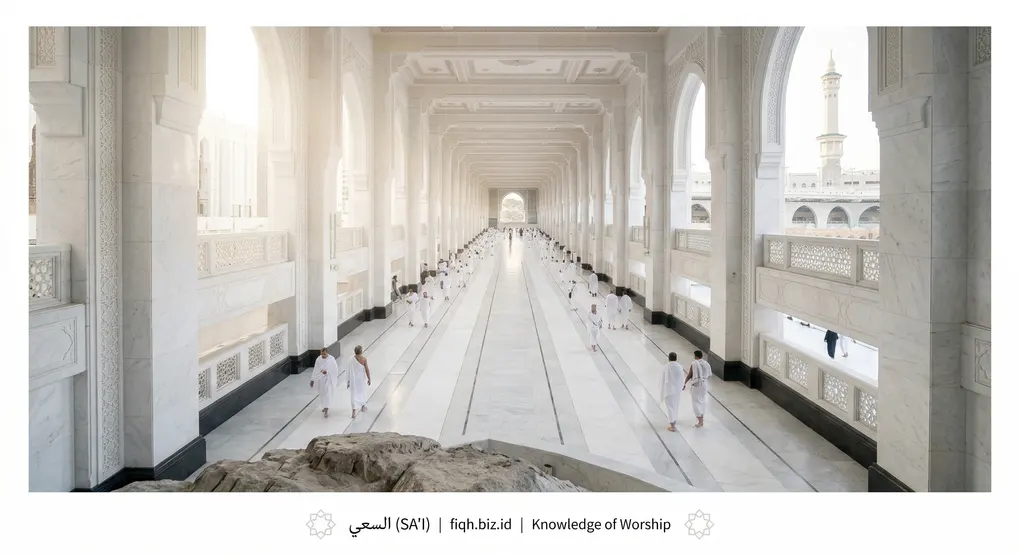
“Fifth: Hajj is also the greatest reminder, recalling for Muslims the conditions of their forefathers and predecessors among the Prophets and Messengers. Every station of Hajj is intrinsically linked to an event that evokes deep memories within the pilgrims’ emotions. Near the House, the image of Ibrahim and Ismail building the Ancient House manifests in the believer’s mind… At Safa and Marwah, the Muslim remembers Hajar (peace be upon her) striving between them seeking water for her son Ismail. At Mina… one feels the stance of Ibrahim opposing Satan… And at Arafat, the motives of yearning for Allah’s mercy arise… and the believer recalls the magnificent stance of the Messenger of Allah during the Farewell Pilgrimage…”
Explanation: Every physical location in the Hajj itinerary is a living monument to the profound faith in Allah demonstrated by past Prophets. Tawaf and Sa’i teach the resilience and reliance of Hajar. The stoning of the Jamarat symbolizes Ibrahim’s definitive rejection of satanic temptation. These historical reenactments serve to fortify the believer’s adherence to the six pillars of faith.
4. Self-Education and Spiritual Elevation (Taqwa)
Original Text (Arabic):
سابعاً: والحج تربية للجسم على الخشونة وتحمل المشاق والصبر على المكاره. وتربية للخلق على التواضع والتسامح…
Translation:
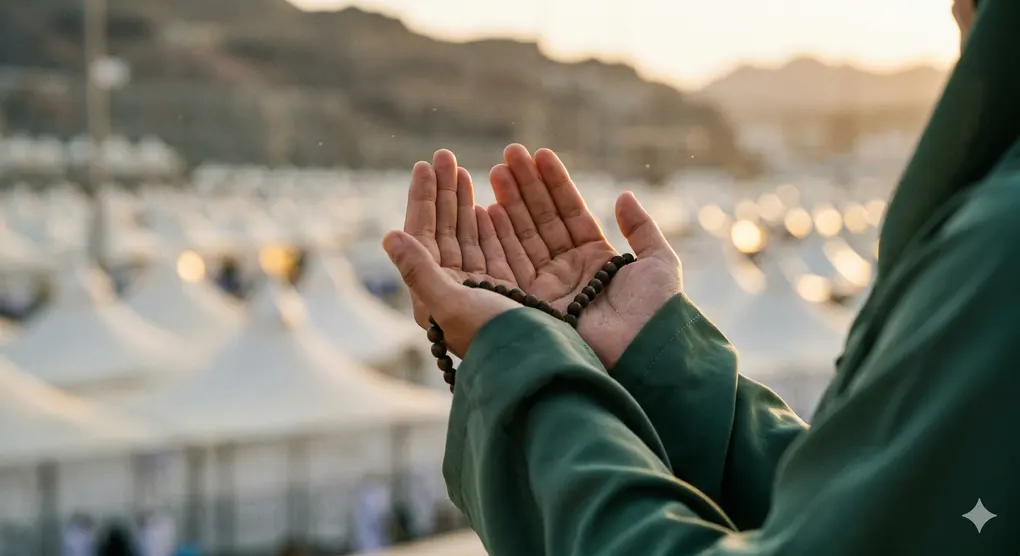
“Seventh: Hajj is a physical training to endure roughness, bear hardships, and practice patience in the face of adversity. It is a moral training in humility, tolerance, good companionship, and gentle kindness. It is a spiritual training for the soul in generosity, sacrifice, charity, and benevolence. It educates the conscience on purity and the awareness of Allah’s watchful eye…”
Explanation: The pilgrimage is the ultimate spiritual academy. It rigorously trains the pilgrim’s physical endurance and psychological resilience. By strictly adhering to the prohibitions of Ihram, pilgrims cultivate absolute spiritual discipline, suppressing base desires to attain a higher state of God-consciousness (Taqwa).
5. Economic Blessings and Social Welfare
Original Text (Arabic):
سادساً: أضف إلى كل ذلك ما يناله فقراء تلك البلاد في ذلك الموسم المبارك من الرزق…
Translation:
“Sixth: Add to all this what the poor of those lands receive during that blessed season of provision, which sustains their poor for the entire year, as a fulfillment of the supplication of Ibrahim (peace be upon him)…”
Explanation: Beyond the theological dimensions, Hajj generates substantial economic activity. The massive influx of pilgrims creates trade and sustenance for the local inhabitants, physically manifesting the ancient prayer of Prophet Ibrahim (AS) for the prosperity of Makkah.
The Virtues and Special Characteristics of the Pilgrimage
Studying the virtues of Hajj intensifies a believer’s longing for the Sacred Mosque. An accepted pilgrimage (Hajj Mabrur) guarantees an unparalleled reward: the complete eradication of past sins, allowing the believer to return home as pure as a newborn child. This divine amnesty represents the pinnacle of Islamic spirituality.
The Profound Meaning Behind Each Hajj Ritual
To maximize this spiritual journey, one must move beyond mere physical compliance by genuinely understanding the pillars of Hajj and Umrah.
- Ihram demands the stripping of worldly attachments.
- Tawaf symbolizes keeping Allah at the absolute center of one’s existence.
- Sa’i teaches proactive effort coupled with absolute reliance on divine provision.
- Wukuf in Arafat is the ultimate moment of introspection, repentance, and recognition of human fragility.
Conclusion
The profound transformation in a person’s character upon returning from Makkah is the ultimate testament to the wisdom of Hajj. It is not merely a physical expedition to the Arabian Peninsula, but a rigorous journey of the heart toward the Creator. By reflecting upon the comprehensive wisdom of worship, a Muslim can achieve a Hajj Mabrur, inaugurating a new chapter of life defined by piety, humility, and the relentless pursuit of Allah’s eternal pleasure.
Frequently Asked Questions (FAQ)
What is the ultimate wisdom behind wearing the Ihram garments?
The unstitched white garments of Ihram physically strip away all markers of wealth, social status, and cultural identity. The primary wisdom is to instill absolute humility, foster global equality among Muslims, and serve as a poignant reminder of the burial shroud (kafan) and the impending Day of Judgment.
How does the Hajj pilgrimage promote social unity?
Hajj acts as the largest annual global convention for humanity. By gathering millions of Muslims from diverse linguistic, ethnic, and geographical backgrounds to perform the exact same rituals, facing the same Qiblah, and supplicating to the One God, it effectively dismantles worldly prejudices and fortifies the universal bond of Islamic brotherhood.
Why do pilgrims stone the Jamarat in Mina?
The stoning of the pillars (Ramy al-Jamarat) is a dynamic physical reenactment of Prophet Ibrahim’s (AS) unyielding faith. It commemorates the historical moments when he pelted Satan with pebbles to reject the temptation to disobey Allah’s command. For the pilgrim, it symbolizes the internal struggle and definitive rejection of one’s own base desires and satanic whispers.
Academic References:
Mustafa al-Khin, Mustafa al-Bugha, and Ali al-Syarbaji, al-Fiqh al-Manhaji ‘alā Madhhab al-Imām al-Shāfi‘ī, vol. 2 (Damascus: Dār al-Qalam, 1992), pp. 118–121.


