Rules, Conditions, and Method of Ghusl in Shafi’i Fiqh (Kaifiyah al-Ghusl)

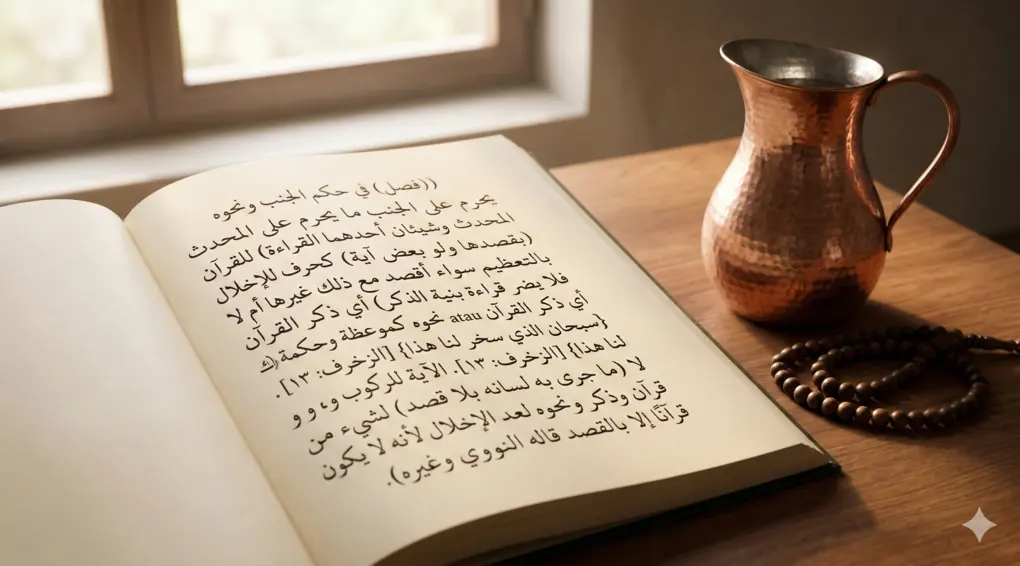
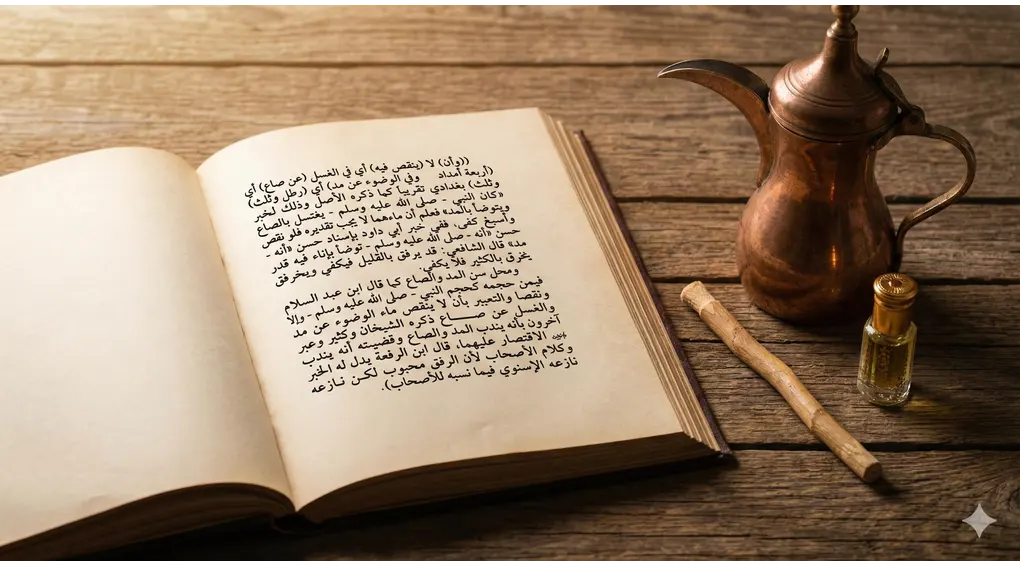
An open classical fiqh manuscript showing Arabic text on water quantity for ghusl, next to a copper pitcher, miswak, and perfume bottle on a wooden table.An open classical fiqh manuscript showing Arabic text on water quantity for ghusl, next to a copper pitcher, miswak, and perfume bottle on a wooden table.

Purity is the foundational pillar in the establishment of worship within Islamic law. Understanding the profound meaning of thaharah is not merely a physical routine, but rather a theological gateway for a servant to commune with the Creator. When a person is in a state of major ritual impurity (hadath akbar), the binding obligation is … Read more

The Mandatory Pillars of Ghusl: 2 Obligatory Conditions in Shafi’i Fiqh

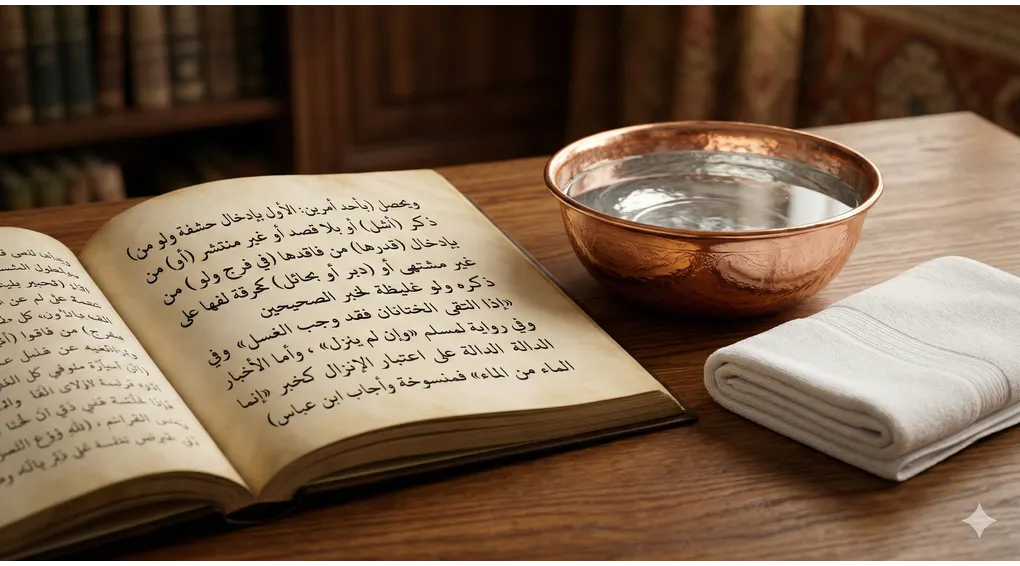
An open antique Arabic manuscript discussing Ghusl pillars next to a traditional copper pitcher and a bowl of clear water on a wooden table.

Within Islamic teachings, elevating oneself from a state of major ritual impurity (hadath akbar) through the process of Thaharah (purification) is an absolute necessity before a servant stands before Allah in prayer. This practice of purification, known academically as Ghusl or the major ritual bath, possesses a highly precise jurisprudential framework. Frequently, Muslims find themselves … Read more

Mani vs. Madhi: Which Discharged Fluid Requires Ghusl?

A traditional copper jug pouring clear, fresh water into a white marble basin, accompanied by clean white towels, olive soap, and a miswak stick on a wooden surface, symbolizing preparation for Islamic ritual purification.

Maintaining physical and spiritual purity from major ritual impurities is a fundamental pillar for every Muslim before performing the obligatory prayers. One of the most frequent dilemmas that arise within the community is the confusion surrounding the discharge of fluids from the private parts. The recurring question is: Does every fluid that is discharged necessitate … Read more

5 Causes of Ghusl in Shafi’i Fiqh: A Complete Guide

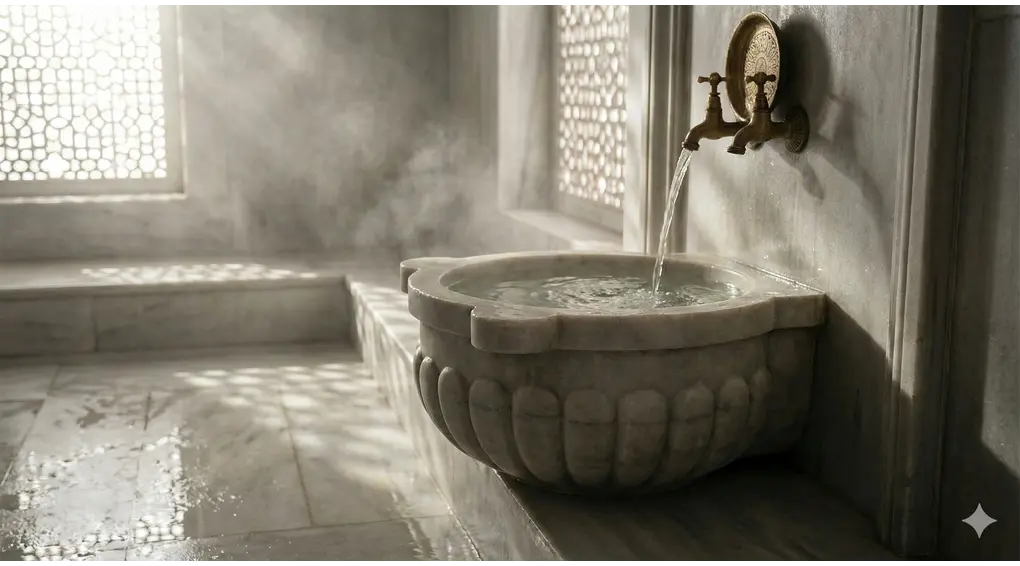
Clear water flowing from brass taps into a large marble basin inside a steamy traditional Islamic hammam, illuminated by natural sunlight through geometric window screens.

Physical and spiritual purity is an absolute prerequisite for performing prescribed (mahdhah) acts of worship in Islam. Within the discourse of Islamic jurisprudence, understanding the fundamental concept of purification (thaharah) from major ritual impurities occupies a central position. This article specifically examines the causes of ghusl (obligatory bath), also known as Mujibat al-Ghusl, based on … Read more

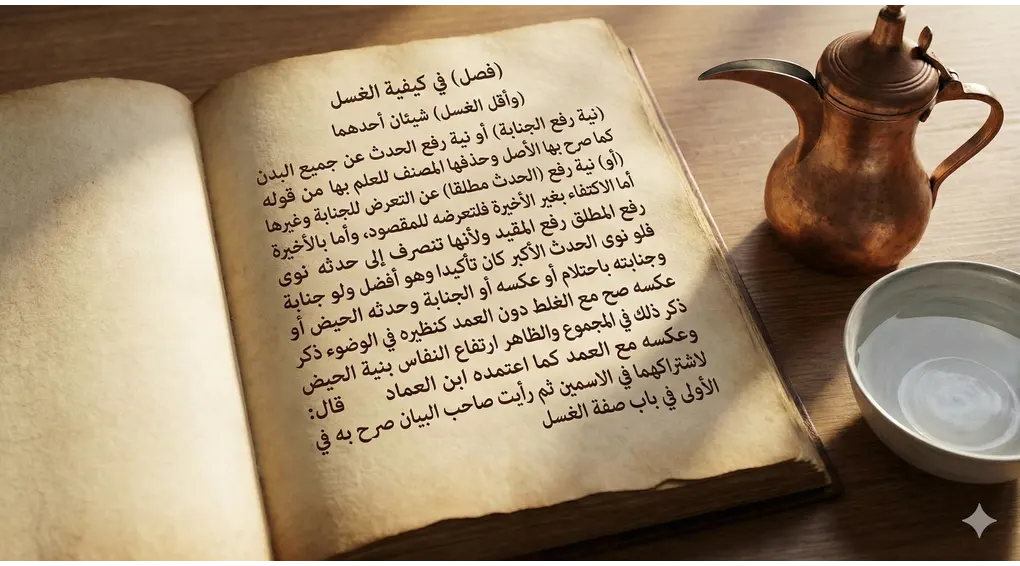
Complete Guide to Ghusl Janabah: Intention, Method, and Causes in Shafi’i Fiqh

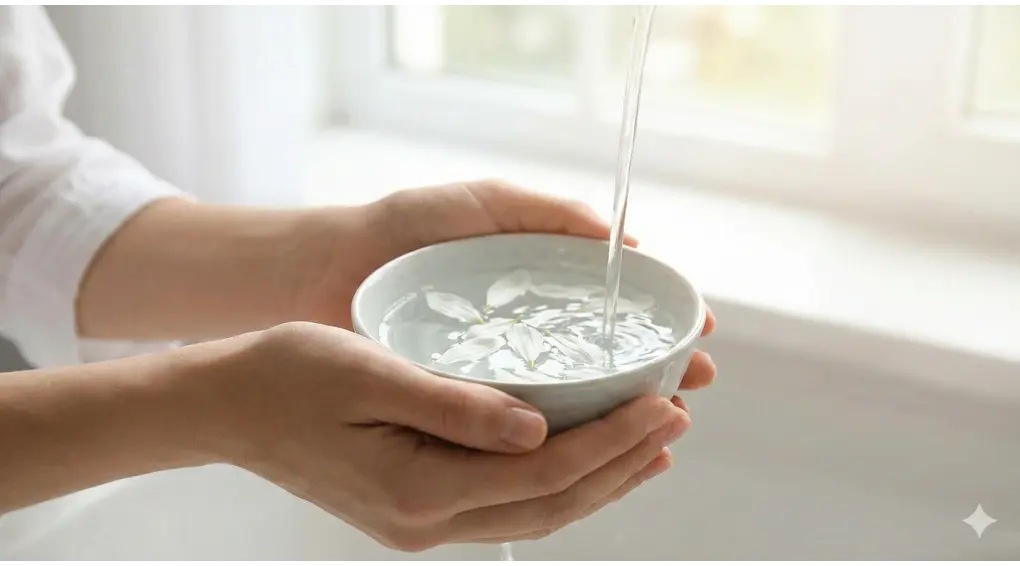
A person's hands holding a ceramic bowl filled with clear water and floating white flower petals, under a gentle stream from a faucet and bright window light.

Spiritual and physical purity stands as a fundamental pillar in the performance of Islamic worship. Understanding the profound meaning of thaharah (purification) is the essential first step for every Muslim. One primary method of purifying oneself from major ritual impurity (hadats akbar) is through major ablution, widely known as Ghusl Janabah or mandi wajib. This … Read more

A Complete Guide to Performing Ghusl (Ritual Bath) After Menstruation According to Classical Fiqh

A serene flat-lay photograph on marble showing items symbolic of Islamic purification: a clean white towel, a bowl of water with flowers, a small bottle of musk perfume oil, and tasbih prayer beads.

Every Muslim woman strives for her worship to be valid and accepted by Allah ﷻ. One of the fundamental requirements to resume worship after a menstrual period is purification. However, doubts often arise: Is the mandatory bath we perform after menstruation actually valid? Has the water truly reached every required part of the body? Performing … Read more

Rules for Public Bathhouses (Hammam, Sauna, Gym) in Islam (Asna al-Matalib)

A Muslim man in traditional robes stands at the entrance of a steamy, architecturally distinctive hammam, pausing for reflection and adab before entering.

Have you ever visited a hot spring, sauna, or shower room in a fitness center (gym)? In classical Islamic literature, places like these are known as Hammam. Although their function is to cleanse oneself, these places have their own set of rules that often escape our attention. Early scholars were very meticulous in discussing ethics … Read more

Ghusl al-Mayyit Guide: Minimal vs. Perfect Method (Shafi’i Fiqh)

Suasana persiapan area pemandian jenazah yang tenang, terlihat dipan kayu beralas kain putih dan ember berisi air bersih, melambangkan tata cara memandikan jenazah yang khidmat.

Many people feel nervous or afraid when asked to participate in the washing of the deceased. There is a great fear: “What if I make a mistake? What if it is invalid?” In fact, Islam is a religion that makes things easy. In emergency situations (for example, limited water, a corpse in poor condition, or … Read more