
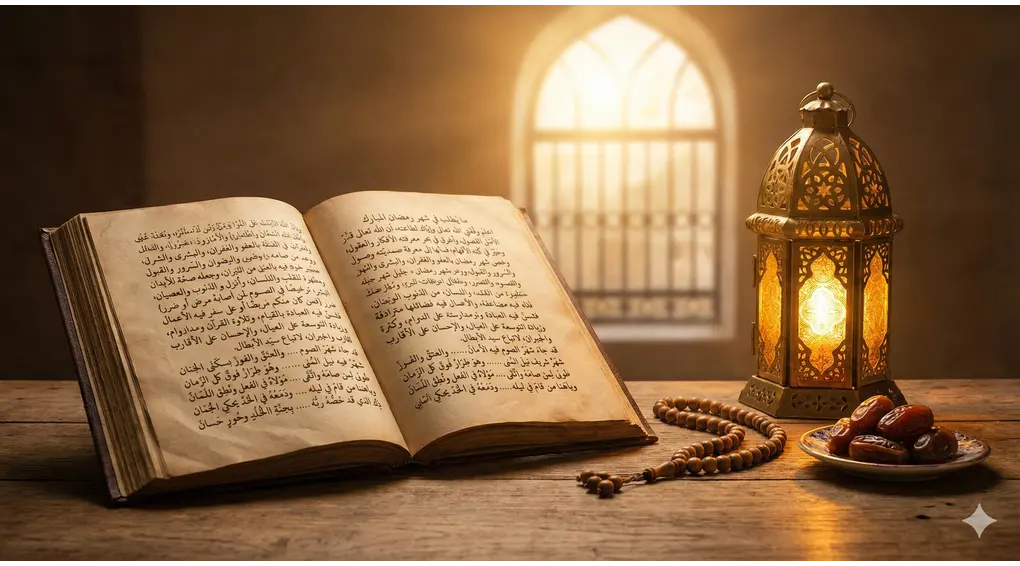
The holy month of Ramadan holds a profoundly distinguished position within classical Islamic literature. As a month exclusively designated by Allah SWT for the multiplication of rewards and divine forgiveness, it demands structured spiritual preparation from every Muslim.
This article serves as a comprehensive guide regarding the virtues, recommended acts (sunnah), and Ramadan practices Kanzun Najah was Surur. This monumental work encapsulates a treasury of exclusive worship and supplications from the pious predecessors (ulama salaf). All references provided below are extracted directly from the pages of this text to ensure the academic authenticity of the transmission (sanad) and its profound spiritual meanings within the framework of Ahl al-Sunnah wa al-Jama’ah.
The Excellence of the Month of Ramadan in Classical Literature
Allah SWT has predestined time and detailed the seasons of obedience for His servants. Among all these periods, Ramadan is specifically chosen as the greatest manifestation of grace for the Ummah of Prophet Muhammad SAW.
The Multiplication of Rewards and the Gates of Forgiveness
Ramadan is a month exclusively chosen by Allah to bestow pardons, forgiveness, glad tidings, and His divine pleasure. During this month, the rewards for righteous deeds are multiplied, and various virtues arrive consecutively. Furthermore, the gates of Paradise are opened wide, the gates of Hellfire are firmly closed, and the devils are chained (p. 56).
As stated in a lengthy sermon narrated by Salman al-Farisi (may Allah be pleased with him) at the end of Sha’ban, Ramadan is divided into three primary spiritual phases:
«وهو شهر أوله رحمة، وأوسطه مغفرة، وآخره عتقٌ من النار»
Meaning: “It is a month whose beginning is mercy, its middle is forgiveness, and its end is liberation from the Hellfire.” (p. 58).
Ramadan as the Month of Quranic Revelation

Another essential magnificence of this month is the revelation of the Eternal Word (Kalam Qadim, the Quran). Allah SWT delivers the glad tidings of Paradise and encompassing goodness to anyone who consistently maintains the recitation of the Quran throughout its days and nights (p. 57).
The Virtues and Rewards of Ramadan Fasting
The act of fasting (shiyam) in the month of Ramadan possesses a special privilege before Allah that is not granted to other forms of worship, rendering it a direct pathway to divine pleasure. To ensure the perfection of this worship, Muslims must adhere strictly to the rules of Ramadan fasting guided by authentic classical jurisprudence.
The Two Joys of the Fasting Person



Allah SWT grants two perfect joys to the servant who fasts:
- The joy when they break their fast (farhatun ‘inda iftarihi).
- The joy when they meet their Lord in the Hereafter (farhatun ‘inda liqa’i rabbihi) (p. 56).
This is affirmed in a Hadith Qudsi where Allah SWT directly declares:
«كل عمل ابن آدم له إلا الصومَ فإنه لي وأنا أجزي به»
Meaning: “Every deed of the son of Adam is for him, except fasting; indeed, it is for Me, and I Myself will reward it.” (p. 56).
A Treasury of Iftar Supplications Throughout Ramadan
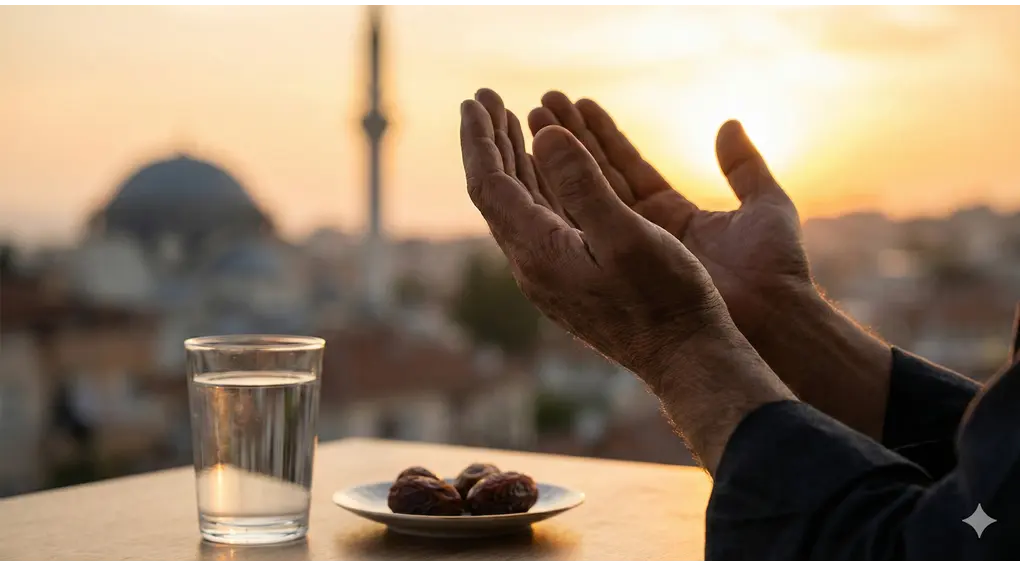
The book Kanz al-Najah wa al-Surur is incredibly rich in compilations of supplications (munajat) composed by the scholars who truly know Allah (‘Arifin billah). Engaging in authentic dhikr and supplications for Ramadan fasting is a highly recommended prophetic tradition. Below is a sequence of iftar (breaking the fast) supplications strongly encouraged to be practiced.
1. Supplication Before Sunset
Before the time for breaking the fast arrives, it is highly recommended to recite the declaration of faith, seek forgiveness, and ask for Paradise three times (p. 60):
أشهدُ أن لا إله إلا الله، أستغفرُ الله، أسألك الجنة وأعوذُ بك من النار (ثلاثا) اللهم إنك عفوٌّ كريمٌ تُحبُّ العفوَ فاعفُ عنّا (ثلاثا)
Ashhadu an la ilaha illallah, astaghfirullah, as’aluka al-jannata wa a’udhu bika min al-nar (3x). Allahumma innaka ‘afuwwun karimun tuhibbu al-‘afwa fa’fu ‘anna (3x).
Meaning: “I bear witness that there is no deity but Allah, I seek forgiveness from Allah, I ask You for Paradise and seek refuge in You from the Hellfire (3x). O Allah, indeed You are All-Pardoning, Most Generous, You love to pardon, so pardon us (3x).”
2. Iftar Supplication Narrated by Anas bin Malik
Based on the narration of Anas bin Malik from the Messenger of Allah SAW, whoever recites this supplication when breaking their fast will emerge from their sins just as the day their mother gave birth to them (p. 60):
يا عظيمُ يا عظيمُ أنت إلهي، لا إله غيرُك، اغفر الذّنب العظيم، فإنه لا يغفرُ الذنبَ العظيم إلا العظيمُ
Ya ‘Azhimu ya ‘Azhim, anta ilahi la ilaha ghayruka, ighfir al-dhanba al-‘azhim, fa innahu la yaghfiru al-dhanba al-‘azhima illa al-‘Azhim.
Meaning: “O Most Great, O Most Great, You are my God, there is no deity other than You. Forgive the great sin, for none can forgive the great sin except the Most Great.”
3. Comprehensive Iftar Supplication (Compiled Narrations)
The author of the book merged various narrations of iftar supplications into a single, perfect unit of invocation to be read after breaking the fast (pp. 60-61):
اللهم لك صمتُ وعلى رزقِك أفطرتُ وبك آمنتُ وعليك توكّلتُ ورحمتَك رجوت وإليك أنبتُ. اللهم ذهب الظمأ وابتلت العُروقُ، وثبت الأجرُ إن شاء الله تعالى، يا واسعَ الفضل اغفر لي. الحمد لله الذي أعانني فصُمتُ، ورزقني فأفطرتُ. اللهم إني أسألك برحمتك التي وسعت كل شيء أن تغفر لي، سبحانك وبحمدك تقبل منا إنك أنت السميعُ العليمُ. اللهم إنك عفوٌّ كريمٌ تُحبّ العفوَ فاعفُ عنّا يا كريمُ.
Allahumma laka sumtu wa ‘ala rizqika aftartu wa bika amantu wa ‘alayka tawakkaltu wa rahmataka rajawtu wa ilayka anabtu. Allahumma dhahaba al-zhama’u wabtallati al-‘uruqu wa thabata al-ajru in sha’a Allah ta’ala, ya Wasi’a al-fadhli ighfir li. Alhamdu lillah alladhi a’anani fasumtu, wa razaqani fa’aftartu. Allahumma inni as’aluka birahmatika allati wasi’at kulla shay’in an taghfira li, subhanaka wa bihamdika taqabbal minna innaka anta al-Sami’u al-‘Alim. Allahumma innaka ‘afuwwun karimun tuhibbu al-‘afwa fa’fu ‘anna ya Karim.
Meaning: “O Allah, for You I have fasted, with Your provision I have broken my fast, in You I have believed, upon You I have relied, Your mercy I have hoped for, and to You I turn in repentance. O Allah, the thirst has gone, the veins are moistened, and the reward is confirmed, if Allah Ta’ala wills. O You Who are Vast in Bounty, forgive me. All praise is due to Allah Who assisted me so I could fast, and provided for me so I could break my fast. O Allah, I ask You by Your mercy which encompasses all things to forgive me. Glory be to You and with Your praise, accept [this] from us; indeed, You are the All-Hearing, the All-Knowing. O Allah, indeed You are All-Pardoning, Most Generous, You love to pardon, so pardon us, O Most Generous.”
The Last Ten Nights and Lailat al-Qadr
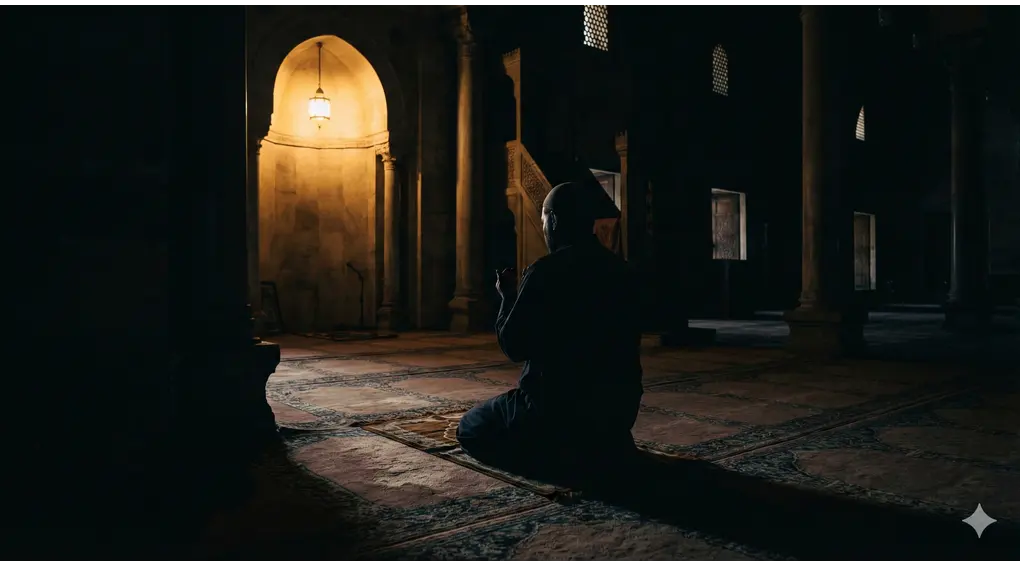
The Ramadan practices Kanzun Najah was Surur reach their spiritual peak during the last ten nights, wherein lies a night better than a thousand months. The profound wisdom behind concealing the exact time of Lailat al-Qadr is to encourage the Muslim Ummah to continuously honor all the nights of Ramadan and strive earnestly in uninterrupted worship (pp. 83-84).
Specific Supplication for Lailat al-Qadr (Sayyidah Aisha’s Narration)
Sayyidah Aisha (may Allah be pleased with her) once asked the Messenger of Allah SAW about what invocation she should recite if she encountered Lailat al-Qadr. He taught the following supplication (p. 83):
اللهم إنك عفوٌّ كريمٌ تُحبّ العفوَ فاعفُ عنّا
Allahumma innaka ‘afuwwun karimun tuhibbu al-‘afwa fa’fu ‘anna.
Meaning: “O Allah, indeed You are All-Pardoning, Most Generous, You love to pardon, so pardon us.”
Dhikr for the Last Ten Nights (Ibn Abbas’ Narration)
It is narrated from Ibn Abbas that reciting this dhikr three times on a night presumed to be Lailat al-Qadr yields a reward equal to that of someone who actually encounters Lailat al-Qadr (p. 84):
لا إله إلا الله الحليمُ الكريمُ، سبحان ربِّ السموات السبع وربِّ العرشِ العظيمِ
La ilaha illallah al-Halimu al-Karim, subhana Rabbi al-samawati al-sab’i wa Rabbi al-‘Arshi al-‘azhim. (Read 3x)
Meaning: “There is no deity but Allah, the Most Forbearing, the Most Generous. Glory be to the Lord of the seven heavens and the Lord of the Great Throne.”
(Note: Extremely lengthy supplications such as the Qiyam al-Layl Supplication by Habib Umar bin Saqqaf, the Birr al-Walidayn Supplication, and the Quran Completion Supplication by Abu Harbah can be found in their entirety in our upcoming derivative article series).
Frequently Asked Questions (FAQ) on Ramadan Practices Kanzun Najah
What is the virtue of providing Iftar according to Kanz al-Najah wa al-Surur?
Providing iftar to a fasting person results in the reward of freeing a slave and the forgiveness of sins. This magnificent reward is granted by Allah SWT even if one can only provide a sip of milk (madhqati labanin), a sip of water, or a single date (p. 58).
Is the worship of establishing the night (Qiyam al-Layl) during Ramadan limited only to Tarawih Prayers?
No. The Hadith recommending qiyam in Ramadan refers to qiyam in an absolute (general) sense. Although many scholars state that the requirement for this worship can be achieved by performing Tarawih, this does not mean that the act of qiyam is invalid or exclusively fulfilled only by the number of rak’ahs for Tarawih prayers in the Shafi’i school (p. 59).
What practice is recommended on the first night of Ramadan to be guarded for a full year?
Based on the explanation of Abu Bakar al-Naysaburi, as quoted by Khatib al-Shirbini, whoever recites Surah al-Fath (Inna fatahna laka fathan mubina) on the first night of Ramadan during a voluntary prayer will be protected by Allah throughout that entire year (p. 60).
Why is it highly recommended to recite a supplication after completing the Quran in Ramadan?
Reciting a supplication after completing the recitation of the Quran is a strongly emphasized sunnah (mu’akkad shadidan). As narrated by Humayd al-A’raj, whoever reads the Quran and then supplicates, 70,000 angels will say ‘Ameen’ to their supplication (p. 74).
What specific supplication did the Prophet SAW teach if someone encounters Lailat al-Qadr?
Sayyidah Aisha (may Allah be pleased with her) narrated that the Messenger of Allah SAW taught a brief yet profound supplication to be recited upon encountering Lailat al-Qadr: “Allahumma innaka ‘afuwwun karimun tuhibbu al-‘afwa fa’fu ‘anna” (O Allah, indeed You are All-Pardoning, Most Generous, You love to pardon, so pardon us) (p. 83).
What is the primary wisdom behind concealing the exact time of Lailat al-Qadr?
The wisdom behind hiding Lailat al-Qadr is so that humanity will continuously honor all times in the month of Ramadan and strive earnestly in worship every single night (especially in the last ten nights), rather than focusing their worship solely on one specific night (p. 84).
Conclusion
The month of Ramadan is a spiritual madrasa with a highly limited duration. The book Kanz al-Najah wa al-Surur has bequeathed a highly structured roadmap of practices from the pious predecessors, ranging from the virtues of fasting and providing iftar, to the recitations of supplications laden with the values of monotheism (tawhid) and Sufism (tasawwuf).
Enlivening the nights of Ramadan with Quranic recitation, Qiyam al-Layl, and the strings of supplications taught above is not merely a routine of worship, but an earnest endeavor to achieve total forgiveness and liberation from the Hellfire. May Allah SWT grant us the divine guidance (tawfiq) to practice these magnificent guidelines consistently until we attain the rank of true piety (taqwa).
References
‘Abd al-Ḥamīd bin Muḥammad ‘Alī Quds bin ‘Abd al-Qādir al-Khaṭīb, Kanz al-Najāḥ wa al-Surūr fī al-Ad‘iyah allatī Tashraḥ al-Ṣudūr (Al-Maktabah al-Syāmilah al-Dzahabiyyah), pp. 56-91.


