
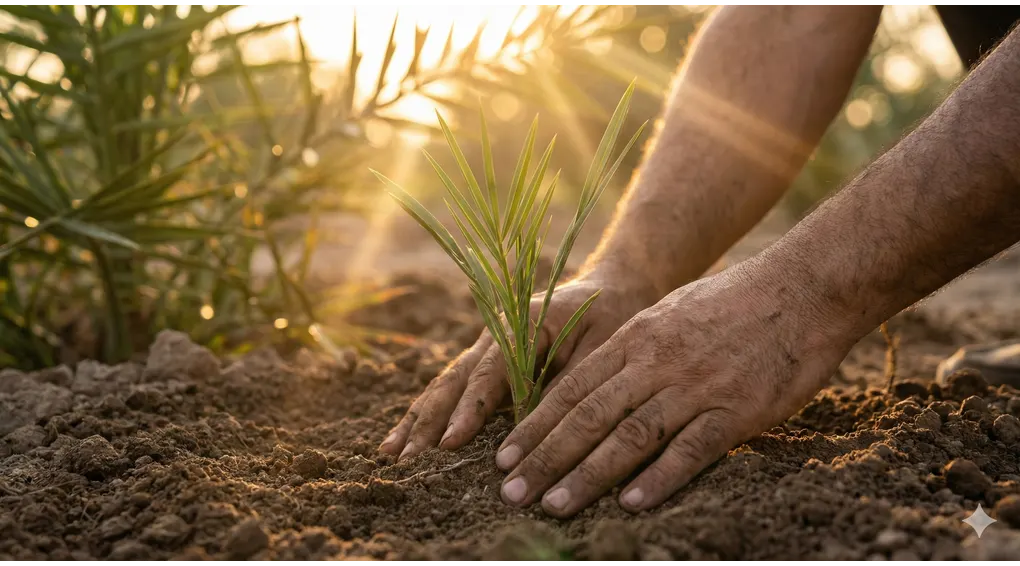
The earth is our shared home—the sacred ground where we reside, develop, and perform our acts of worship. However, we often forget that environmental protection in Islam is not merely a modern “green” lifestyle trend; it is a profound trust (amanah) bestowed by the Creator. Islam does not solely regulate the vertical relationship between humanity and God; it comprehensively addresses the horizontal relationship between humanity and the natural universe.
Many people wonder how to effectively maintain environmental sustainability to ensure the earth remains habitable for future generations. The answers have actually been embedded within classical Islamic literature for over a millennium. For centuries, scholars have discussed preserving nature as a fundamental manifestation of a servant’s gratitude.
Let us delve deeper into how Islam views environmental conservation through the lens of a remarkably powerful hadith regarding productivity and ecological care.
Before understanding our role on earth, it is essential to grasp the foundation of our existence. You can explore the core principles of faith in Allah, which forms the basis of all our actions, including environmental stewardship.
The Hadith on Planting Trees: Boundless Productivity
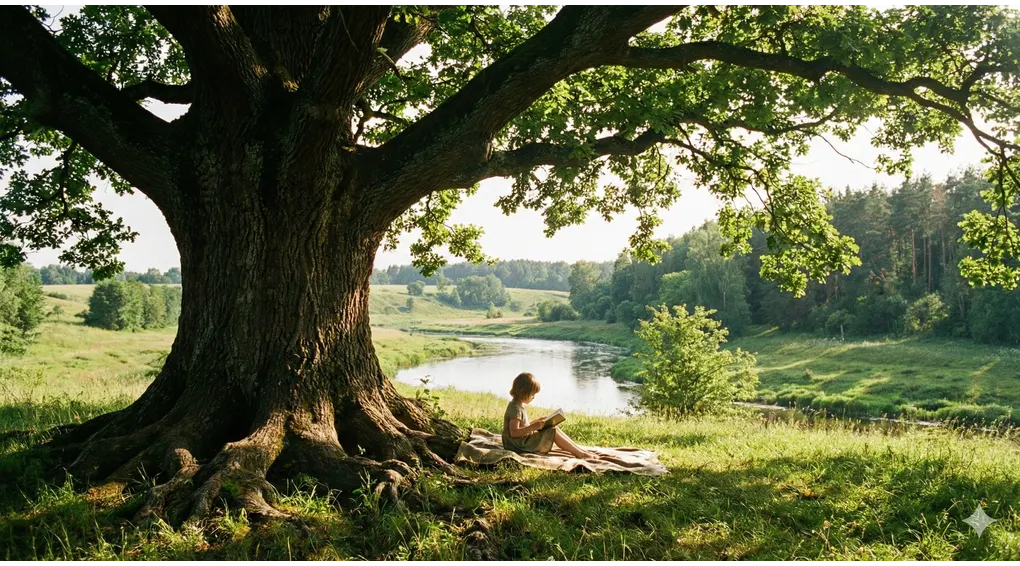
One of the most compelling pieces of evidence that Islam deeply prioritizes environmental protection is the prophetic command to continue planting, even on the brink of the apocalypse.
Below is the original text of the hadith narrated by Anas bin Malik, as recorded in the classical commentary At-Tanwir Syarh Al-Jami’ Ash-Shaghir:
٢٦٥٣ – “إن قامت الساعة وفي يد أحدكم فسيلة فإن استطاع أن لا يقوم حتى يغرسها فليغرسها”. (حم خد وعبد) عن أنس. (إن قامت الساعة وفي يد أحدكم فسيلة) بالفاء والمهملة أي نخلة صغيرة (فإن استطاع أن لا يقوم) من محله الذي هو قاعد فيه (حتى يغرسها فليغرسها) … قال الهيثمي: لعله أراد بقيام الساعة أماراتها فإنه قد ورد: “إذا سمع أحدكم بالدجال وفي يده فسيلة فليغرسها فإن للناس عيشا بعد”، والحاصل أنه مبالغة وحث على غرس الأشجار وحفر الأنهار لتبقى هذه الدار عامرة إلى آخر أمدها المحدود المعلوم عند خالقها، فكما غرس غيرك ما شبعت به فاغرس لمن يجيء بعدك.
Translation: “If the Hour (the Day of Resurrection) is about to be established and one of you is holding a palm shoot, let him take advantage of even one second before the Hour is established to plant it.” (Narrated by Ahmad, Al-Bukhari in Al-Adab Al-Mufrad, and Abd bin Humaid).
Hadith Explanation: Why Must We Keep Planting?
The commentary in At-Tanwir clarifies that the word fasilah refers to a small date palm shoot or seedling. This command carries profound ecological and spiritual significance. Imam Al-Haythami explains that “the establishment of the Hour” in this context likely refers to the appearance of its major signs, such as the emergence of the Dajjal.
The primary message here is radical optimism and sustained action. Environmental protection in Islam is a duty that must not cease simply because we feel fearful or overwhelmed by impending doom. This hadith utilizes hyperbolic encouragement (mubalaghah) to urge continuous environmental stewardship until the very last moment of earthly existence.
It teaches the principle of an intergenerational relay of goodness: “Just as others planted what you have eaten from to your fill, so must you plant for those who will come after you.” Therefore, authentic environmental conservation requires thinking far ahead, prioritizing long-term ecological balance over fleeting, immediate gains.
To fully appreciate the wisdom behind Islamic teachings, one can engage in deep contemplation. Learn more about the concept and benefits of contemplation (tafakur) in Islam.
Why is Environmental Conservation Obligatory?
In Islamic theology, humans are designated as khalifah (stewards or vicegerents) upon the earth. This majestic role demands a massive responsibility to manage and cultivate the environment, not to exploit or destroy it. Protecting the environment is a direct consequence and reflection of our faith.
The devastation witnessed on land and sea is frequently the result of irresponsible human hands. Therefore, the process of nature conservation must begin with profound self-awareness—realizing that we will be held accountable by God for every tree we needlessly fell and every piece of waste we carelessly discard.
When we actively engage in environmental protection in Islam, we are fundamentally safeguarding the continuity of human life itself. Clean air, pristine water, and fertile soil are divine blessings (ni’mah) that must be vigorously protected from depletion and pollution.
Practical Steps: How to Conserve the Environment According to Islamic Guidance
After establishing the theological foundation, we must translate these principles into tangible action. Here are several concrete steps we can implement in our daily lives:
1. Planting and Greening Initiatives
As highlighted in the aforementioned hadith, planting a tree constitutes an ongoing charity (sadaqah jariyah). One practical method of environmental conservation is to utilize empty spaces around our homes for planting. It does not strictly require large trees; even cultivating medicinal herbs or vegetables in pots significantly contributes to oxygen production and ecological balance.
This is the most accessible yet highly impactful form of environmental protection. Trees function to retain groundwater, prevent soil erosion, and provide soothing shade. Imagine the monumental positive impact if every Muslim planted just one tree.
Before engaging in any act of worship or good deed, it is crucial to understand the foundation of intention. You can read more about the definition and importance of intention (niat) to ensure your actions are spiritually rewarded.
2. Conserving Water and Preventing Pollution
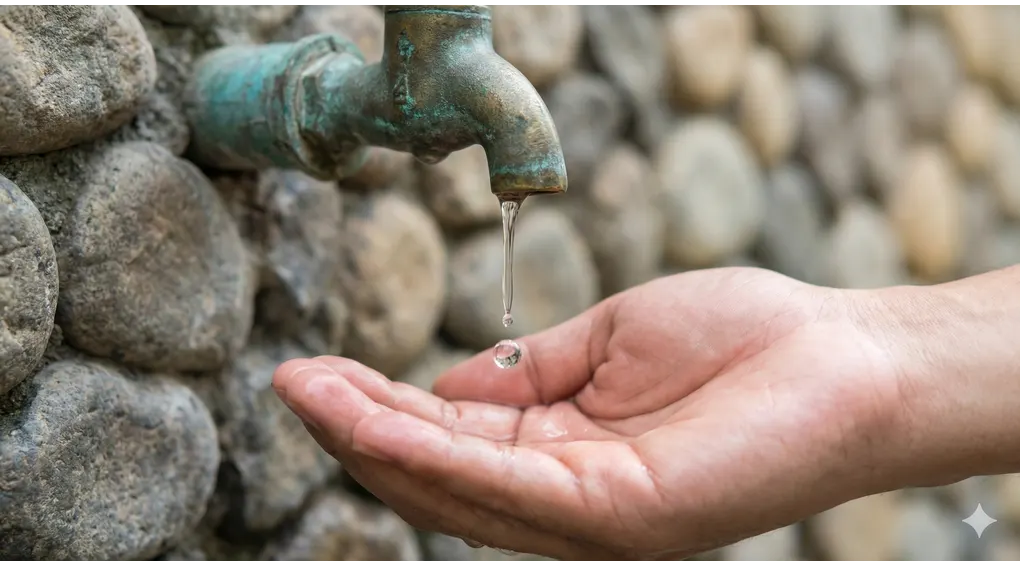
The Prophet Muhammad (ﷺ) once admonished a companion for using water excessively during ablution (wudhu), even though the companion was performing it at a flowing river. This profound incident demonstrates that environmental protection in Islam explicitly includes the strict conservation of water resources.
We must never dispose of household waste recklessly into drains or rivers. Water is the essence of life. Conservation efforts in the water sector are exceptionally critical, considering the clean water crises beginning to afflict numerous global regions.
When discussing water, it’s also important to know which types are pure for religious rituals. Learn about the types of water that can be used for purification. Furthermore, understanding purity helps us know which acts of worship require wudhu.
3. Wise Waste Management





The principle that “cleanliness is half of faith” is universally recognized, yet its practical application requires rigorous discipline. Protecting the living environment inherently means preventing waste accumulation, which breeds disease and ecological imbalance.
Separating organic from inorganic waste is a brilliant initial step. We can process organic waste into compost to fertilize the plants we cultivate. This creates a sustainable, localized cycle of nature conservation right in our own backyards.
Building a Legacy for the Future
Environmental protection in Islam is not a fleeting, overnight project. It is a lifelong, unwavering commitment. When we plant a tree today, we may not harvest its fruit tomorrow. However, our children and grandchildren will undoubtedly enjoy its benefits.
This is the very essence of the message conveyed in the hadith narrated by Anas bin Malik. Preserving the living environment is fundamentally about bequeathing a better, healthier earth, rather than leaving behind a degraded and barren wasteland.
We must actively instill this mindset in our children. Teach them how to conserve nature from an early age. Involve them in gardening, instruct them to dispose of trash properly, and introduce them to the profound beauty and intricate balance of Allah’s creation.
Small Steps Yield Massive Impacts
Confronting the global issues of climate change and environmental degradation might feel overwhelmingly heavy if faced individually. But remember, Islam teaches us never to belittle any good deed, no matter how minute. Removing a harmful object from the road is considered charity; how much greater, then, is the reward for planting a tree that provides shade and sustenance for countless creatures?
Examples of environmental protection do not always require massive, highly funded projects. We must begin with simple, consistent actions:
- Turn off lights and appliances when not in active use.
- Carry a personal reusable water bottle to drastically reduce plastic consumption.
- Plant at least one flower or shrub in your yard.
All these actions represent tangible answers to the question of how to maintain environmental sustainability amidst our busy, modern lives. Let us purify our intentions, framing every activity that protects this earth as an act of profound worship to Allah (SWT). If the Prophet (ﷺ) commanded the planting of a mere seedling even when the signs of the Apocalypse are imminent, then we possess no valid excuse to delay doing good for nature today.
Conclusion
Environmental protection in Islam is a sacred mandate deeply rooted in the Quran and the Sunnah. By viewing nature conservation not just as a civic duty but as an integral act of worship, we elevate our responsibility towards the earth. From the prophetic command to plant trees to the strict injunctions against wasting water, Islamic teachings provide a comprehensive framework for sustainable living. By implementing these principles, we fulfill our role as conscientious stewards (khalifah) and ensure a thriving planet for the generations to come.
Frequently Asked Questions (FAQ)
Is planting a tree really considered an act of worship in Islam?
Yes, planting a tree is considered an ongoing charity (sadaqah jariyah) in Islam. As long as humans, animals, or birds benefit from the tree (through its fruit, shade, or oxygen), the person who planted it continues to receive spiritual rewards, even after death.
How does Islam view the wasting of natural resources like water?
Islam strictly prohibits extravagance and wastefulness (israf), especially concerning natural resources like water. The Prophet Muhammad (ﷺ) explicitly forbade wasting water, even when performing ablution next to a flowing river, highlighting the critical importance of conservation.
What is the role of a human being towards the environment according to Islamic theology?
In Islamic theology, humans are designated as khalifah (stewards or vicegerents) on earth. This means we are entrusted by Allah to manage, protect, and cultivate the earth responsibly, and we are strictly forbidden from causing corruption or destruction (fasad) to the environment.
Reference
Muhammad bin Ismā‘īl al-Amīr as-San‘ānī, at-Tanwīr Syarh al-Jāmi‘ ash-Shaghīr, ed. Muhammad Ishaq Muhammad Ibrahim, 1st ed. (Riyadh: Maktabah Dar as-Salam, 2011), vol. 4, p. 241.


