
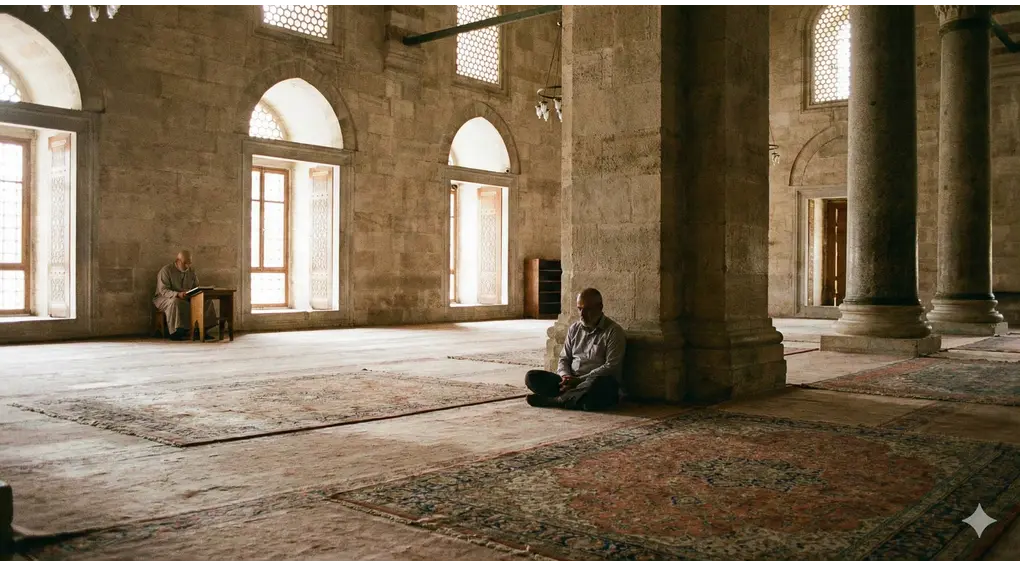
The presence of a servant inside the mosque with the intention of drawing closer to Allah the Exalted demands the observance of a noble etiquette of I’tikaf (adab). Nevertheless, the pure (hanif) Islamic Shari’ah does not strip humans of their natural disposition. There are various permissible (mubah) activities allowed by the jurists (fuqaha), as well as acts that are disliked (makruh) in order to preserve the sanctity of the holy site.
Shaykh al-Islam Zakariyya al-Ansari, in the book Asna al-Matalib Syarh Rawdh ath-Thalib, precisely outlines the legal boundaries regarding the actions of a mu’takif (the person performing I’tikaf). This article elaborates on these rulings to ensure that the performed worship remains in harmony with the guidelines of Shafi’i jurisprudence.
🌐 Read the foundational framework here: Complete Guide: Fiqh of I’tikaf (Shafi’i)
📖 Ensure your worship is valid: The Valid Conditions and 4 Pillars of I’tikaf
Permissible Acts (Mubah) During I’tikaf
Staying in the mosque does not mean remaining entirely motionless. There are a number of daily activities and acts of worship with far-reaching benefits (muta’addiyah) that are permitted inside the mosque area.
1. Writing Islamic Knowledge and Light Activities
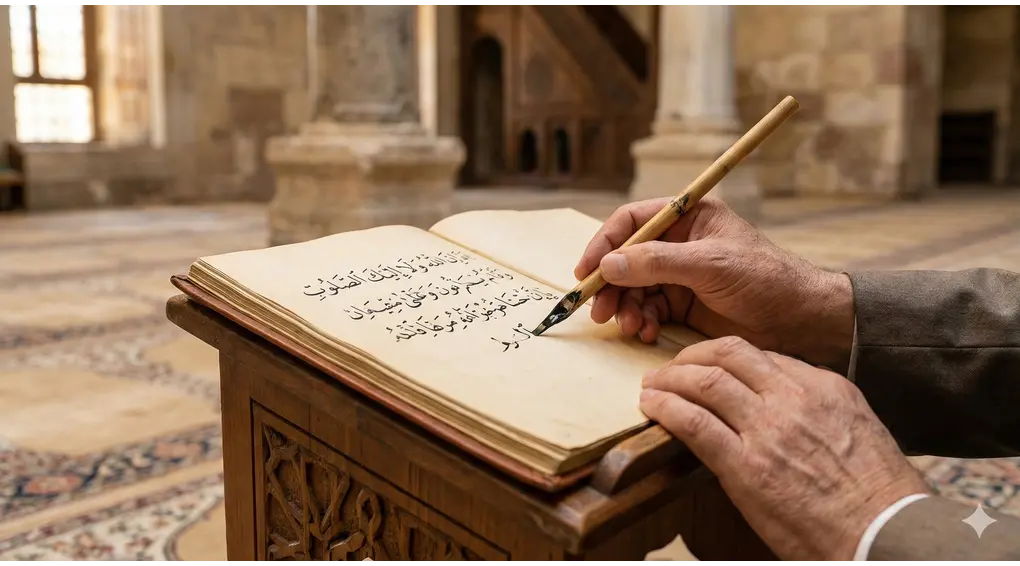
A person residing in the mosque may engage in light activities such as sewing or writing, provided it does not dominate their time of worship. Shaykh al-Islam explains:
فرع: (ولا يكره له) أي للمعتكف (الصنائع) في المسجد (كالخياطة) والكتابة (ما لم يكثر) منها فإن أكثر منها كرهت لحرمته إلا كتابة العلم فلا يكره الإكثار منها لأنه طاعة كتعليم العلم
Meaning: “(Branch Issue: And it is not disliked for him) meaning for the mu’takif, (to perform light crafts) in the mosque (such as sewing) and writing (as long as he does not do it excessively)… except for writing (Islamic) knowledge, then doing it abundantly is not disliked, because it is an act of obedience, just like teaching knowledge.”
This principle provides leniency for seekers of knowledge. Writing about Shari’ah matters is a tremendous act, so spending a long time doing it inside the mosque does not detract from the value of I’tikaf in the slightest.
2. Combing Hair, Wearing Perfume, and Dressing Well
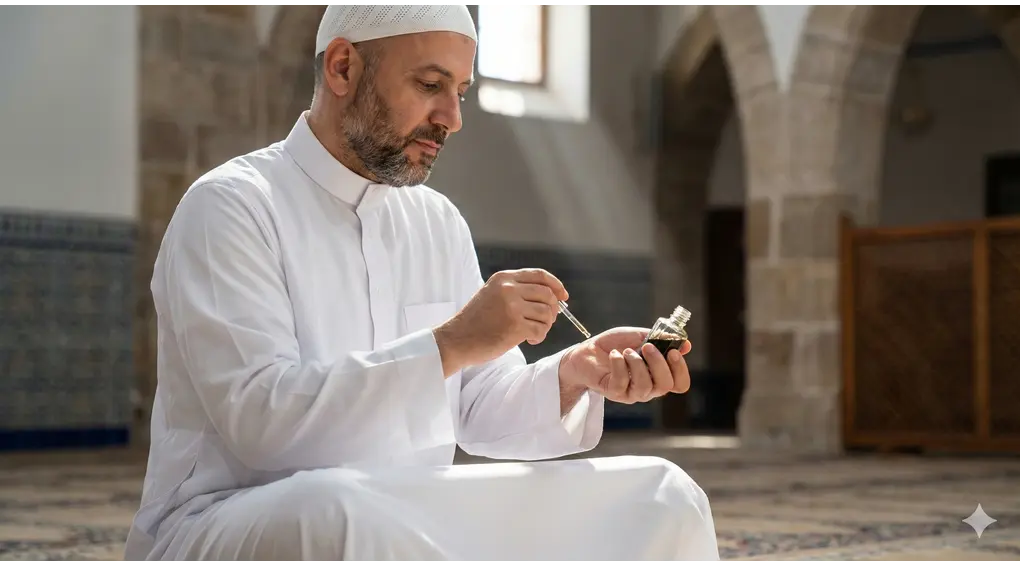
Beautifying oneself (tazayyun) for worship is a Sunnah. A mu’takif is permitted to maintain physical cleanliness, as the text states:
قوله: (وله أن يرجل شعره) أي يسرحه لخبر الصحيحين «أن عائشة – رضي الله عنها – كانت ترجل شعر رسول الله – صلى الله عليه وسلم – في الاعتكاف» (و) أن (يتطيب)… (و) أن (يلبس) الثياب الحسنة
Meaning: “And it is permissible for him to tidy his hair, meaning to comb it, based on the hadith recorded by Al-Bukhari and Muslim: ‘That Aisha (may Allah be pleased with her) used to comb the hair of the Messenger of Allah ﷺ while he was in I’tikaf.’ It is also permissible for him to apply perfume… and to wear fine clothes.”
3. Conducting a Marriage Contract
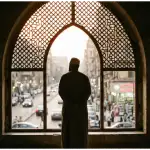
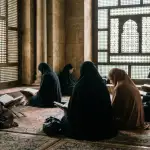

The mosque is a place where blessed bonds begin. A person performing I’tikaf is permitted to conduct a marriage contract (‘aqd) for himself or officiate the marriage of others (ويتزوج ويزوج) without invalidating his worship.
The Rulings on Eating and Sleeping in the Mosque During I’tikaf
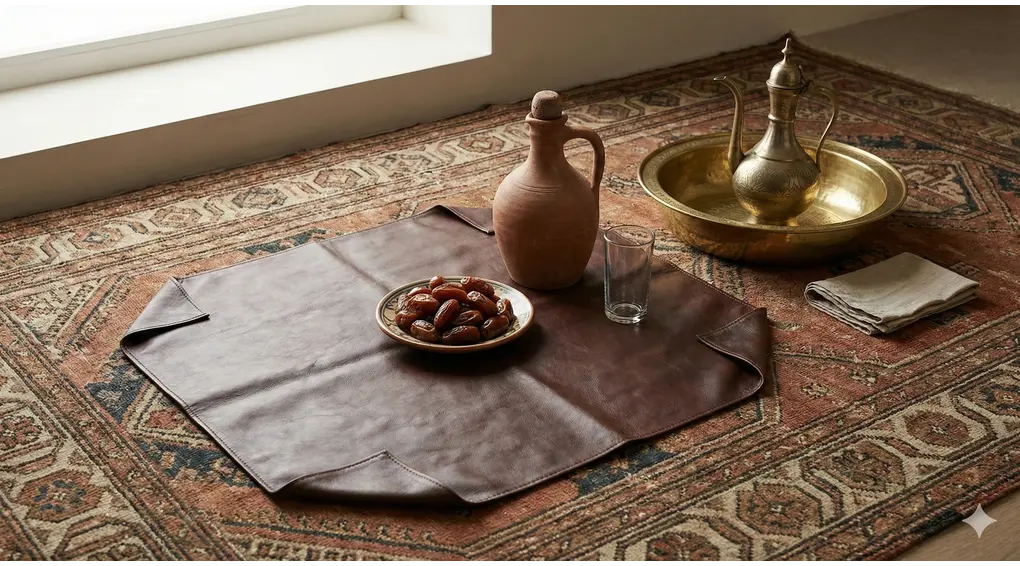
A frequently asked fiqh question regards the permissibility of fulfilling basic physical needs within the mosque area. Regarding the permissibility of eating in the mosque during I’tikaf, the Shafi’i school provides a crystal-clear legal basis.
قوله: (ويأكل ويشرب ويغسل يده) لأن الأصل الإباحة ولم يرد ما يخالفه (في المسجد) متعلق بالجميع (والأولى) أن يأكل (في سفرة) أو نحوها (و) أن يغسل يده في (طست) أو نحوها ليكون أنظف للمسجد وأصون
Meaning: “And he may eat, drink, and wash his hands—because the original ruling is permissibility (mubah) and there is no evidence contradicting it—inside the mosque. And it is more preferable (al-awla) that he eats upon a dining mat (sufrah) or the like, and washes his hands in a basin (thast) or the like, so that the mosque remains cleaner and more protected.”
The text above affirms the absolute permissibility of eating and drinking in the mosque. However, the etiquette of I’tikaf requires a mu’takif to highly prioritize cleanliness. The use of a dining mat and a washing basin is highly recommended so that leftover food or splashed water does not soil the place of prostration.
As for the ruling on sleeping in the mosque while performing I’tikaf, it is a permissibility that aligns with human nature. Sleeping does not invalidate I’tikaf. In fact, Asna al-Matalib compares the status of a sleeping person with an unconscious person when calculating the duration of I’tikaf:
(ويحسب زمن الإغماء من الاعتكاف كالنوم)
Meaning: “And the time spent unconscious is still counted as part of the I’tikaf duration, just like the time spent sleeping.”
Disliked Acts (Makruh) During I’tikaf
Alongside permissible matters, there are practices that hold a disliked (makruh) status if performed inside the mosque during I’tikaf. This is closely related to the etiquette and reverence (ta’dhim) towards the House of Allah.
1. Commercial Transactions and Professional Work
The mosque is not a marketplace. Shaykh al-Islam warns:
قوله: (وتكره الحرفة) فيه بخياطة ونحوها (كالمعاوضة) من بيع وشراء ونحوهما (بلا حاجة وإن قلت) صيانة له (ولا يبطل اعتكافه) بشيء من ذلك وإن كثر
Meaning: “And it is disliked to engage in a profession within it, such as (commercially-oriented) sewing and the like, as well as exchange transactions (mu’awadhah) like buying and selling and similar acts, if done without a pressing need (hajah), even if it is only a little. This is to preserve the mosque’s sanctity. However, his I’tikaf is not invalidated by any of these acts, even if they are many.”
The disliked nature here is tanzih (meaning it is better to avoid it). Violating this does not destroy the validity of the pillar of I’tikaf, but it potentially diminishes the value of perfection (kamal) of the worship.
2. Medical Procedures Risking Impurity in the Mosque
Part of the etiquette of I’tikaf is avoiding any action that risks dropping impurities (najasah).
قوله: (و) يجوز (الاحتجام والفصد) فيه في إناء قال في الأصل وهو خلاف الأولى بل جزم في المجموع بكراهته… (فإن لوث) الخارج بما ذكر المسجد (أو بال) فيه (ولو في طست حرم)
Meaning: “And it is permissible to perform cupping (hijamah) and bloodletting (fashdu) inside the mosque provided it is contained in a vessel. The author of the original book stated: this act goes against what is preferable (khilaf al-awla), and in fact, Imam An-Nawawi in al-Majmu’ affirmed its disliked nature… If the blood that comes out soils the mosque, or if someone urinates in it, even in a basin, then the ruling is strictly forbidden (haram).”
💡 Related Sunnah: If you plan to perform this therapy safely outside the mosque, ensure you know the Best Times and Sunnah Dates for Hijama to maximize its physical and spiritual benefits.
A hadith narrated by Imam Muslim strengthens this legal basis, stating that mosques are not appropriate places for disposing of impurities, but are purely for the remembrance of Allah the Exalted and reading the Quran.
Summary Table: Rulings on the Etiquette of I’tikaf
To provide clear visual guidance regarding the legal boundaries inside the mosque, please observe the following classification table:
| Type of Activity | Legal Status in Shafi’i Fiqh | Additional Notes |
| Writing Islamic Knowledge | Permissible / Highly Recommended | Counts as obedience; not disliked even if done extensively. |
| Eating and Drinking | Permissible | As etiquette, one must use a mat (sufrah) to keep the floor clean. |
| Sleeping in the Mosque | Permissible | The duration is still counted as a valid period of I’tikaf. |
| Combing Hair & Perfume | Permissible | Following the Sunnah narrated from Aisha (may Allah be pleased with her). |
| Buying and Selling | Disliked (Makruh) | Allowed if there is a pressing need; I’tikaf remains valid if violated. |
| Cupping (Hijamah) | Disliked / Forbidden | Disliked if using a vessel; strictly Forbidden if it soils the mosque. |
FAQ: Questions and Answers Regarding the Etiquette of I’tikaf
What is the ruling on eating in the mosque during I’tikaf with family?
The ruling is absolutely permissible based on the jurisprudential maxim al-ashlu al-ibahah (the original rule is permissibility). However, the etiquette of I’tikaf dictates the use of a wide dining mat (sufrah) to catch falling crumbs. If the mosque is soiled, the perpetrator is obligated to clean it immediately.
Does sleeping in the mosque reduce the virtue of I’tikaf?
Sleeping in the mosque for a mu’takif is permissible. Being asleep does not sever the intention, and its duration remains counted in the reward. Nonetheless, the time of I’tikaf is truly noble if filled with pure acts of worship (mahdhah) such as voluntary prayers, dhikr, and Quranic recitation.
If I bring my laptop to work (freelance) inside the mosque, is my I’tikaf invalidated?
Your I’tikaf is not invalidated. Shafi’i fiqh dictates that the worship of I’tikaf is not ruined by activities seeking a livelihood (ولا يبطل اعتكافه بشيء من ذلك). However, doing so without a valid Shari’i need is considered disliked (makruh), because the mosque is a place for intimate discourse with Allah, not a commercial workspace.
By meticulously upholding the etiquette of I’tikaf, a Muslim is able to combine spiritual devotion and physical compliance, preserving the honor of the Shari’ah while embracing the pleasure of Allah the Exalted in His houses.
Reference
al-Anṣārī, Zakariyā. Asnā al-Maṭālib fī Sharḥ Rawḍ al-Ṭālib. With the marginalia (hashiyah) of Aḥmad al-Ramlī. Edited by Muḥammad az-Zuhrī al-Ghamrāwī. Cairo: al-Maṭbaʿah al-Maymānīyah, 1313 AH. Reprinted by Dār al-Kitāb al-Islāmī.


