

Many people feel confused upon hearing the word Tasawuf (Sufism). Some mistakenly consider it a foreign doctrine, whereas, in reality, Tasawuf is the very heartbeat of the Islamic faith. Simply put, the essence of Tasawuf is the spiritual path of self-improvement designed to purify our hearts and cultivate a more profound, intimate relationship with Allah SWT.
We all understand that ritual prayers (shalah) and fasting are strict religious obligations. However, how do we measure the sincerity (ikhlas) residing within our hearts while performing these acts of worship? This is precisely where the science of Tasawuf plays its indispensable role.
What Is Tasawuf? Definitions by Classical Scholars
To truly comprehend this field, we must examine how the great classical scholars formulated it. Tasawuf is not merely an abstract theory; it is a tangible, daily practice.
Shaykh al-Islam Zakariyya al-Ansari provides a beautifully comprehensive definition:
( التصوف علم تعرف به أحوال تزكية النفوس , وتصفية الأخلاق وتعمير الظاهر والباطن لنيل السعادة الأبدية )
“Tasawuf is a science through which one knows the states of purifying the souls, refining character, and cultivating both the outward and inward (states) to attain eternal happiness.”
Furthermore, Shaykh Ahmad Zarruq explains that Tasawuf occupies a specific, elevated position alongside other Islamic sciences. While Fiqh (jurisprudence) corrects our outward actions and Tawhid solidifies our creed, Tasawuf focuses strictly on the reformation of the heart. He states:
( التصوف علم قصد لإصلاح القلوب , وإفرادها لله تعالى عما سواه )
“Tasawuf is a science intended for the rectification of hearts, and dedicating them exclusively to Allah the Exalted, turning away from all else.”
Imam al-Junayd al-Baghdadi, a highly revered foundational figure, emphasized that Tasawuf is fundamentally about character:
( التصوف استعمال كل خلق سني , وترك كل خلق دني )
“Tasawuf is the implementation of every noble character trait and the abandonment of every lowly trait.”
The Origins of the Name “Tasawuf”
The etymological origins of the word Tasawuf have multiple historical versions. Yet, all these derivations point toward one overarching theme: divine proximity.
- Some linguists trace it to Ash-Shafa, meaning purity.
- Others connect it to Ahlush Shuffah, the impoverished but deeply devout Companions of the Prophet ﷺ who lived on the veranda of the Prophet’s Mosque, dedicating their entire existence to worship.
- The most academically popular opinion links it to the Arabic word for wool (ash-shuf). In the early Islamic period, individuals heavily focused on ascetic worship often wore coarse woolen garments as a visible rejection of worldly luxury.
However, we must not become entangled in terminology. The priority is its core reality. Tasawuf is the methodology of living exclusively for the Creator, abandoning the dictates of the human ego and carnal desires.
The History and Evolution of the Science of Tasawuf
A common historical question arises: “Why did the term Tasawuf not exist during the era of the Companions?” The answer is quite sociological. During the era of Prophet Muhammad ﷺ, the Companions did not require theoretical manuals on purifying the heart because they were actively living it. They directly observed the pristine character of the Messenger of Allah ﷺ and emulated it perfectly.
Just as a native Arab does not need to study the formal rules of grammar (Nahwu) to speak Arabic flawlessly, the Companions were already “Sufis” in their spiritual reality, even without the formal title.
As centuries passed, the Islamic empire expanded, interacting with diverse civilizations. When worldly wealth became abundant, spiritual negligence seeped into society. Diseases of the heart began to proliferate. It was during this critical juncture that religious scholars recognized the absolute necessity of codifying the rules of heart purification into a systematic discipline, mirroring the historical development of the sciences of Fiqh, Tafsir, and Hadith.
The Quranic Foundations of Tasawuf
Tasawuf is built upon a rock-solid scriptural foundation. Allah SWT repeatedly commands believers to shun hidden abominations.
{ قُلْ إِنَّما حَرَّمَ رَبِّيَ الْفَواحِشَ ما ظَهَرَ مِنْها وما بَطَنَ }
“Say, ‘My Lord has only forbidden immoralities—what is apparent of them and what is concealed…'” (Surah Al-A’raf: 33)
Classical Quranic exegetes (mufassirun) clarify that “concealed immoralities” refer directly to spiritual diseases such as malice, showing off for validation (riya), envy, and hypocrisy.
The Foundations of Tasawuf in Prophetic Traditions
Tasawuf is deeply rooted in prophetic tradition. It is not an innovation but rather the practical elaboration of the concept of Ihsan (spiritual excellence).
1. The Importance of the Heart
Prophet Muhammad ﷺ explicitly identified a morsel of flesh as the absolute center of human morality.
( ألا وإن في الجسد مضغة إذا صلحت صلح الجسد كله , وإذا فسدت فسد الجسد كله , ألا وهي القلب )
“Truly in the body there is a morsel of flesh, which, if it be whole, all the body is whole, and which, if it is diseased, all of it is diseased. Truly, it is the heart.” (Narrated by Bukhari & Muslim)
2. The Meaning of Ihsan
In the profoundly significant Hadith of Jibril, the Prophet defined the religion as encompassing not only outward submission (Islam) and inward belief (Iman) but also spiritual excellence (Ihsan).
( أن تعبد الله كأنك تراه , فإن لم تكن تراه فإنه يراك )
“That you worship Allah as if you see Him, for if you don’t see Him then truly He sees you.” (Narrated by Muslim)
3. The Dangers of Spiritual Diseases


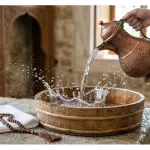

Tasawuf functions as a hospital for spiritual ailments that often go unnoticed but yield fatal consequences.
( لا يدخل الجنة من كان في قلبه مثقال ذرة من كبر )
“He who has in his heart the weight of a mustard seed of pride shall not enter Paradise.” (Narrated by Muslim)
Is Studying Tasawuf Obligatory?
A widespread misconception assumes that Tasawuf is merely an optional path for those wishing to become saints (wali). On the contrary, authoritative scholars like Imam Al-Ghazali firmly established that learning how to cure the diseases of the heart is obligatory for every individual (Fardhu ‘Ain).
Why? Because almost no human being is entirely free from traces of arrogance, jealousy, or the desire for human praise.
The great Hanafi jurist, Ibn Abidin, emphasized this in his renowned Hashiyah:
( إن علم الإخلاص والعجب والحسد والرياء فرض عين , ومثلها غيرها من آفات النفوس … وإزالتها فرض عين , ولا يمكن إلا بمعرفة حدودها وأسبابها وعلاماتها وعلاجها )
“Indeed, the knowledge of sincerity, self-admiration (ujub), envy, and ostentation (riya) is fardhu ‘ain, as are other afflictions of the soul… eradicating them is fardhu ‘ain, and this is impossible without knowing their definitions, causes, signs, and treatments.”
Without studying these spiritual treatments, one might harbor the delusion of purity while their heart suffers a terminal illness.
Practical Methods for Purifying the Heart
In applied Tasawuf, practitioners undergo two primary transformative stages:
- Takhalli (Emptying/Purification): This is the crucial phase of purging destructive traits. Imagine the heart as a soiled cup. Before filling it with sweet honey, the grime must be washed away. We actively remove stinginess, explosive anger, grudges, and the thirst for societal validation.
- Tahalli (Adornment): Once the spiritual vessel is cleansed, we adorn it with noble, divine attributes such as repentance, patience, immense gratitude, reliance on God (tawakkul), and profound love for Allah.
This dual process ensures an individual is not just outwardly pious, but internally tranquil and crystal clear.
Why We Desperately Need the Essence of Tasawuf Today
In an era saturated with material pressures, many experience a haunting emptiness despite having their physical needs met. This existential void occurs because the human soul inherently thirsts for faith in Allah and divine proximity.
The essence of Tasawuf serves as the ultimate spiritual stabilizer. It ensures that our prayers are not merely hollow physical gymnastics, our charity is not a transactional transfer of wealth, and our dhikr is not a lifeless repetition of syllables.
The great spiritual master, Abul Hasan ash-Shadhili, once warned that a person who does not delve into this science risks dying while harboring major unseen sins in their heart. An individual who worships excessively but feels superior to others is a prime example; that very superiority complex acts as a spiritual poison that erases all accumulated rewards.
Why Must Spiritual Diseases Be Cured?
We are often meticulous about laundering our clothes so they appear spotless to society. Yet, we tragically neglect washing our hearts, which may be stained with malice, jealousy, and vanity. We must remember that the heart is the true focal point of divine gaze.
The Messenger of Allah ﷺ explicitly stated:
( إن الله لا ينظر إلى أجسادكم ولا إلى صوركم , ولكن ينظر إلى قلوبكم )
“Verily, Allah does not look at your bodies or your appearances, but He looks at your hearts.” (Narrated by Muslim)
Classical scholars liken a person obsessed with outward rituals while neglecting internal purity to a man wearing magnificent silk garments over a body covered in filth. The exterior is striking, but the underlying stench is repulsive. Tasawuf exists to wash away that internal filth, ensuring our outward worship is fragrant and wholly accepted by Allah.
Conclusion: Tasawuf as the Soul of Islam
It is evident that Tasawuf is not a foreign anomaly. It is the practical implementation of Ihsan—worshipping Allah with the profound awareness that He is always watching.
By engaging with Tasawuf, we are invited to become complete, holistic human beings. Islam transcends mere legalism (halal and haram); it encompasses deep emotional truth and untainted sincerity. When the heart is purified, every footstep and spoken word radiates goodness into the world.
Are you prepared to embark on this journey of spiritual purification? We can begin immediately with a simple yet profound step: meticulously checking our intention before every single action we undertake today.
Frequently Asked Questions (FAQ)
1. Is Tasawuf an innovation (bid’ah) in Islam?
No. While the term “Tasawuf” was coined after the time of the Prophet ﷺ, the actual practice and core principles are purely Islamic. Tasawuf is the formal science of Ihsan, which is one of the three foundational pillars of the religion as taught by the Prophet ﷺ.
2. Can I practice Tasawuf without following the Shari’ah (Islamic Law)?
Absolutely not. Authentic scholars of Tasawuf unanimously agree that Shari’ah is the non-negotiable outer shell of Islam, while Tasawuf is its inner core. True spiritual purification is impossible if one abandons the obligatory acts of worship like the five daily prayers or fasting.
3. What is the main goal of studying the essence of Tasawuf?
The primary objective of Tasawuf is to cure the heart of spiritual diseases (such as arrogance, envy, and showing off) and to cultivate sincere devotion to Allah alone. The ultimate goal is to attain Allah’s pleasure and eternal happiness in the Hereafter.
Reference
‘Abd al-Qādir bin ‘Abd Allāh bin Qāsim bin Muḥammad bin ‘Īsā ‘Azīzī al-Ḥalabī al-Syādhilī, Ḥaqā’iq ‘an al-Taṣawwuf (Aleppo, Syria: Dār al-‘Irfān, 16th ed., 1428 H/2007 CE).


