Excused Najis in Prayer: What Impurities Are Pardoned According to Al-Iqna’?

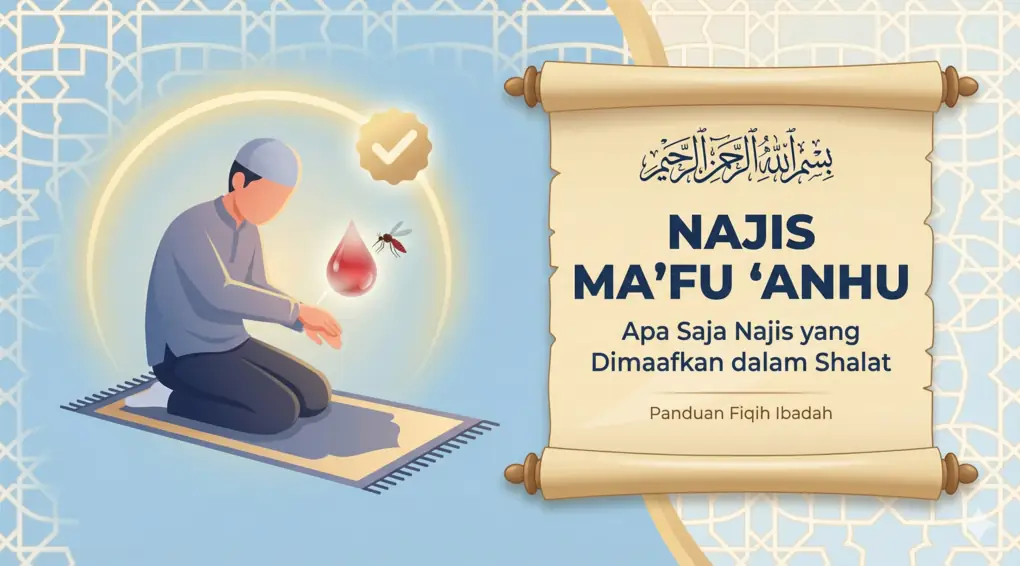
Ilustrasi muslim sedang shalat dengan teks Najis Ma'fu 'Anhu, panduan fiqih tentang darah nyamuk dan jerawat yang dimaafkan

Have you ever felt anxious right before praying because you noticed a tiny bloodstain from a mosquito bite on your sleeve? Or perhaps a pimple on your face popped unexpectedly during Wudu, leaving you confused about whether you must wash your entire face again or simply ignore it? In the study of Fiqh, specifically within … Read more

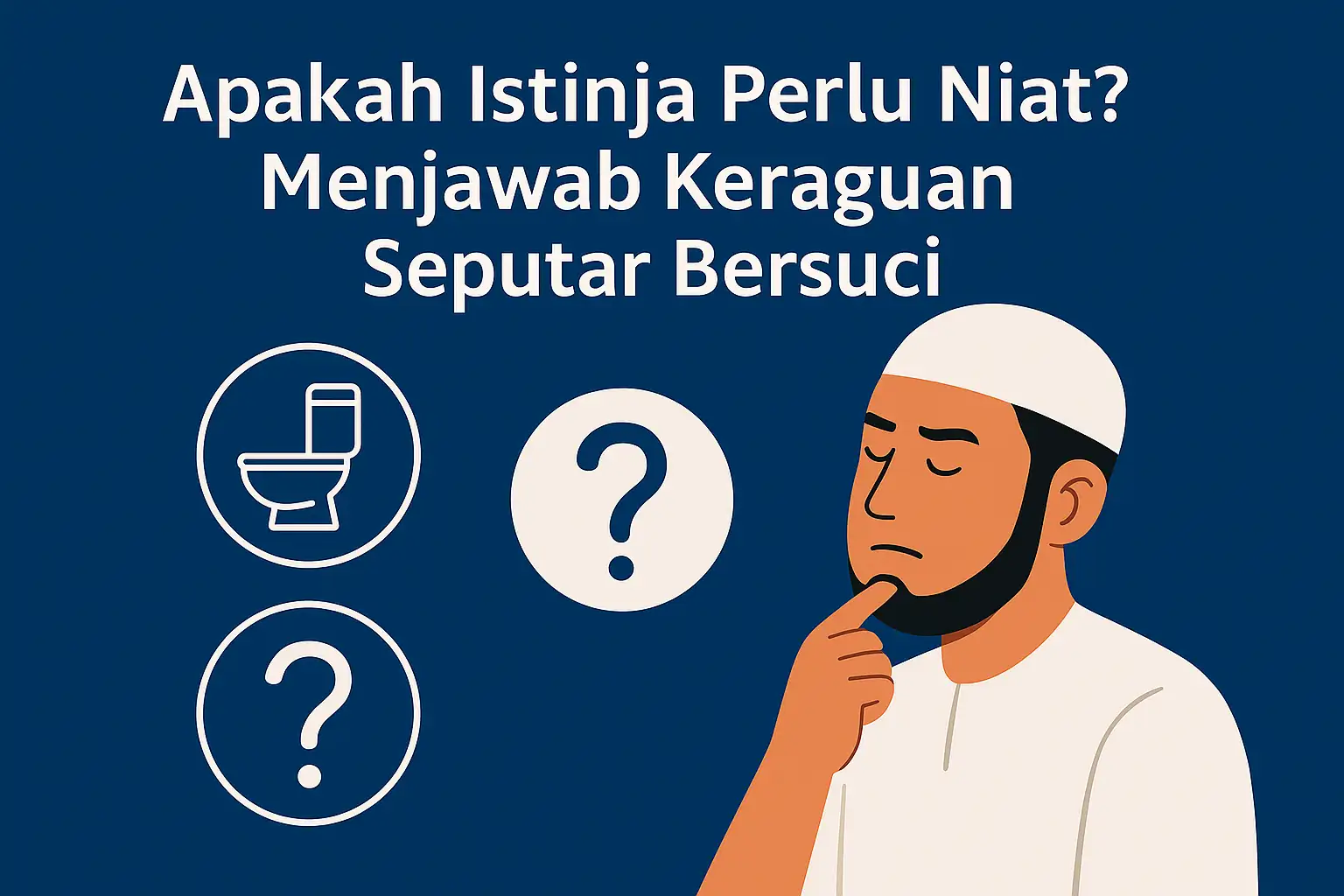
Is Intention (Niyyah) Required for Istinja? Fiqh Ruling & Explanation

Is Intention Required for Istinjāʾ?

Istinjā’, or cleansing the private parts and anus after urination or defecation, is an important part of ṭahārah (ritual purity) in Islam. It is an initial step before a Muslim can perform acts of worship that require purity from ḥadath, such as ṣalāt. However, a question arises in the minds of some people: does Istinjā’ … Read more

The Fiqh of Mutaghayyir Water: Distinguishing Mukhalith and Mujawir Changes

Perbandingan tiga gelas berisi air mutlak, air berubah warna (teh), dan air bercampur minyak untuk ilustrasi fiqih air mutaghayyir.

Have you ever noticed the water in your bathtub smelling slightly of soap? Or perhaps you have seen a pond turn green due to algae? In such situations, a common question often arises in our minds: “Is this water still valid for performing Wudu?” Within Shafi’i jurisprudence, an essential chapter regarding the types of water … Read more

Musta’mal Water in Islam: Intention, Children, and the “Ightiraf” Dilemma

Tangan seseorang mengambil air wudhu dari ember tanah liat menggunakan gayung kayu.

Musta’mal water is water that has already been used in an obligatory act of purification. As one of the core types of water for purification, in Shafi’i fiqh, it remains pure, but it is no longer purifying when its conditions are present. Understanding this concept is essential within the broader definition of taharah, as this … Read more

The Essence of Mutlaq Water: Why Only Water Can Purify in Islam?

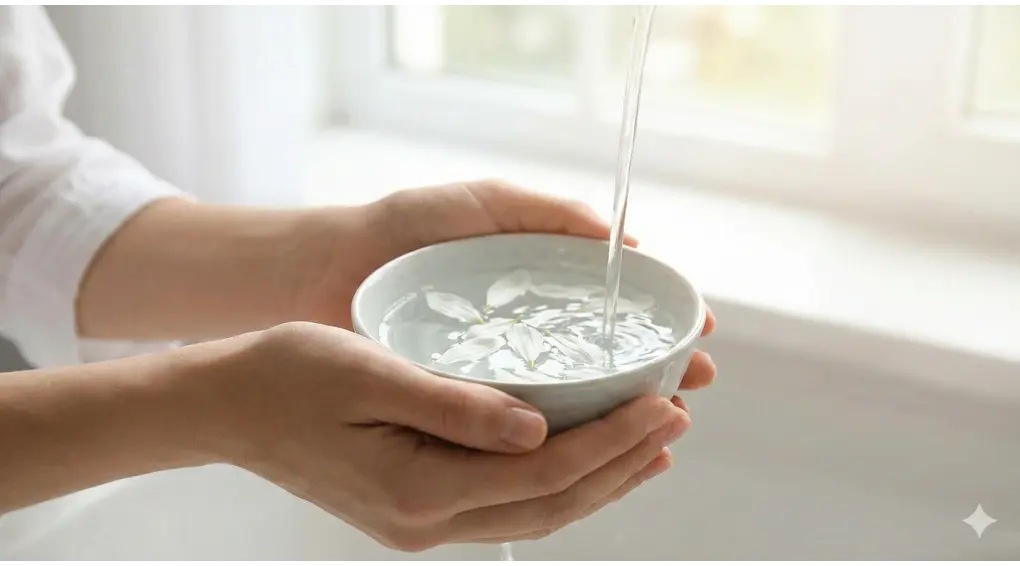
Tangan menampung air wudhu yang jernih dan suci dari kendi tanah liat tradisional.

Absolute water (al-mā’ al-muṭlaq) is water that is still called “water” without a binding added name. In Shafi‘i fiqh, this is the water described as pure and purifying: pure in itself and valid for wudu, obligatory ghusl, and removing impurity. This topic is a key foundation in the chapter of taharah. Many acts of worship … Read more

The Fiqh Ruling on Purifying Najis with Zamzam Water: Permissible or Makruh?

Kendi berisi air zamzam di Masjidil Haram bersanding dengan gayung pembersih, mengilustrasikan hukum fiqih penggunaannya untuk najis.

For Muslims, Zamzam is not merely ordinary water. It is profoundly blessed, carrying a rich historical connection to Prophet Isma’il, his mother Hajar, and the sacred precincts of Makkah. Due to its exalted status, believers observe strict etiquette when interacting with it, typically reserving it for drinking to seek healing and divine blessings. However, a … Read more

Complete Guide to the Fiqh of Taharah for Breastfeeding Mothers and Baby Care

Ibu muslimah berhijab menggendong bayi tidur dengan latar belakang kitab kuning, ilustrasi artikel fiqih menyusui.

Motherhood is a profoundly rewarding journey of continuous worship. However, amidst the joy of caring for a newborn, confusion often arises regarding acts of worship, particularly concerning ritual purity (thaharah). One of the most frequent questions haunting young mothers is: “Are my clothes impure (najis) because of baby spit-up?” or “Is my prayer valid if … Read more

Fiqh of Baby Vomit: A Guide for Nursing Mothers Based on Fathul Mu’in

Kitab kuning Fathul Mu'in terbuka dengan kacamata dan perlengkapan bayi di sampingnya, ilustrasi kajian fiqih menyusui.

For students of Islamic jurisprudence, the book Fathul Mu’in by Shaykh Zainuddin Al-Malibari is a foundational and deeply respected reference. However, its concise prose (ijaz) often requires careful interpretation, especially when applying its rulings to daily domestic life. One of the most common anxieties for young mothers revolves around the fiqh of baby vomit. Many … Read more