

Is there a difference in reward between performing Salat at the beginning of its time compared to doing it in the middle or end of the time? The scholars of the Shafi’i madhhab have answered this question thoroughly in the book Asna al-Mathalib by Shaykh Zakariyya al-Anshari (Vol. 1, Pages 117–119).
This article explains the content of this reference without adding external fiqh rulings. We designed this guide so you can understand the rules of worship directly from the original literature. For basic reading, you can visit the complete guide to Shafi’i obligatory prayers.
The Original Ruling: Salat at the Beginning of Its Time is Superior
The Firmness of Asna al-Mathalib: “Superior, Even for Isha”
The book Asna al-Mathalib states the basic ruling of this worship very firmly. Hastening the worship when its time enters holds a superior position. The original text in the book states:
“تعجيلها أول الوقت أفضل ولو عشاء”
Meaning: “Hastening Salat at the beginning of its time is better, even for the Isha Salat.” [1]
The emphasis on the phrase “ولو عشاء” (even Isha) shows that this virtue applies generally to all daily obligatory prayers. This ruling remains valid for Isha, even though the lay public often delays performing it.
The Meaning of “Beginning of Its Time” in This Context
Some people mistakenly think the beginning of the time means performing the meaning of Takbiratul Ihram exactly one second after the adhan finishes. The correct understanding is that we hasten the worship without delay if there is no valid excuse (uzur).
The fadhilah (virtuous) time is obtained shortly after the worship schedule enters. As long as a person prepares immediately and does not intentionally neglect it, they are considered to be in the early time. You can learn more about this worship time structure in the article about the Zuhr Salat time limit.
Three Main Proofs for the Virtue of the Early Time
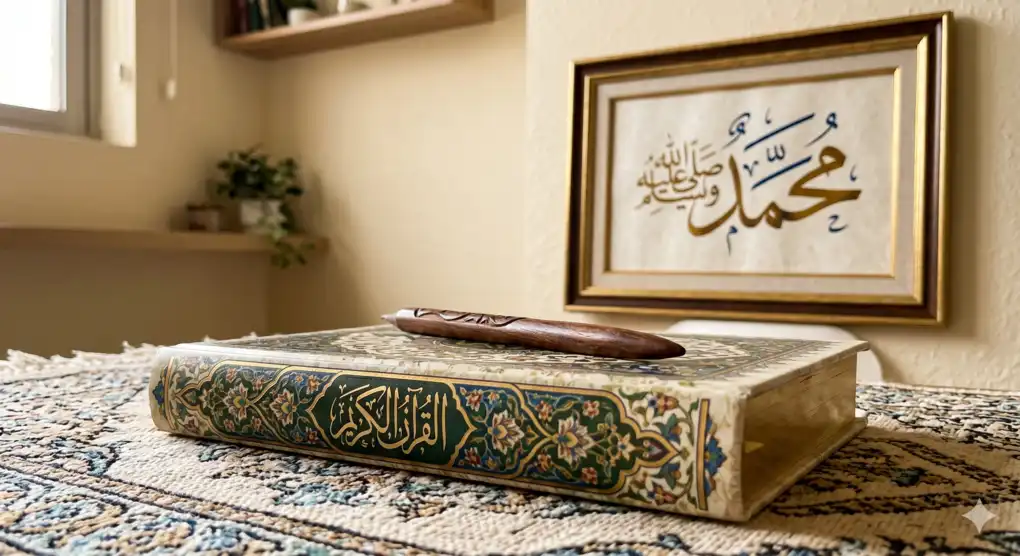
First Proof — Quranic Command: Surah Al-Baqarah: 238


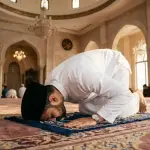

Scholars take their main reference from the words of Allah in the Quran. The text of Asna al-Mathalib quotes the following verse:
“حَافِظُوا عَلَى الصَّلَوَاتِ”
Meaning: “Guard strictly all your Salats.” [2]
The author explains the meaning of guarding worship in this verse. One manifestation of guarding the Salat is to perform it immediately when its time arrives (ومن المحافظة عليها تعجيلها). [3] Therefore, delaying worship without a valid reason is considered an act that falls short of guarding obedience to Allah.
Second Proof — Hadith of Ibn Mas’ud: The Most Virtuous Deed
There is a saying of the Prophet ﷺ narrated by Ad-Daraqutni and graded authentic (sahih) by scholars. The companion Ibn Mas’ud (may Allah be pleased with him) once asked directly about the virtue of a deed.
“أي الأعمال أفضل قال الصلاة لأول وقتها”
Meaning: “Which deed is the most virtuous? He ﷺ answered: Salat at the beginning of its time.” [4]
This hadith serves as a very strong proof quoted directly in this chapter. This decree confirms that observing the Salat time is a top priority for a Muslim.
Third Proof — The Prophet’s ﷺ Practice in Isha Salat
The daily practice of the Prophet ﷺ serves as the next reference in the madhhab. The book Asna al-Mathalib includes a hadith narrated by Abu Dawud with an authentic chain.
“كان رسول الله صلى الله عليه وسلم يصلي العشاء لسقوط القمر لثالثة”
Meaning: “The Prophet ﷺ used to perform Isha Salat when the moon set on the third night.” [5]
The moon on the third night sets at the early time of Isha. This historical fact proves that the Prophet ﷺ was highly disciplined in hastening Isha. For further details on this duration, you can study the Isha Salat time limit.
Answering Two Seemingly Contradictory Hadiths
The Hadith “Asfiru Bil Fajr” — A Recommendation to Delay Fajr?
There is a hadith from Abu Dawud that reads as follows:
“أسفروا بالفجر فإنه أعظم للأجر”
Meaning: “Perform the Fajr Salat when it is bright, for its reward is greater.” [6]
Asna al-Mathalib explains that the meaning of this hadith is not a recommendation to delay the Salat. The true meaning is that we need to wait until the fajr shadiq (true dawn) is clearly visible.
(المراد بالإسفار ظهور الفجر الذي به يعلم طلوعه). [7]
This aims to ensure we do not confuse the fajr kadzib (false dawn) and the fajr shadiq. So, waiting for brightness (isyfar) is a way to perfect the validity condition, not an order to intentionally stretch the time. You can read the detailed discussion on the Fajr Salat time limit.
The Hadith “The Prophet Liked to Delay Isha” — How to Understand It?

A hadith from the Two Sahihs (Bukhari and Muslim) mentions a habit of the Prophet ﷺ delaying the Isha Salat. The book Asna al-Mathalib clarifies that the consistent practice done by him was to hasten it.
Even so, other evidence indicates that delaying it to a third or half of the night carries its own virtue. Both choices are highly valued in the view of the scholars. Hastening remains the original rule, while delaying provides a special fadhilah for this night worship.
How to Obtain the Virtue of the Early Time?
The Virtue Remains Despite Preparation Needs
The author delivers good news for people who need time to get ready. Anyone who immediately prepares once the time enters still fully earns the virtue of the early time.
“فلو اشتغل بالتهيؤ لها أول الوقت والدخول فيها… حصلت فضيلة أول الوقت”
Meaning: “If he is busy preparing for Salat at the beginning of its time and enters into it… then he obtains the virtue of the early time.” [8]
This preparation includes performing Wudu, calling the Adhan, and covering the awrah. A reasonable waiting period for preparation will not remove this main reward.
Even Without Preparation, The Virtue is Attained
The book Asna al-Mathalib also quotes supporting information from the book Az-Zakhair. If a person is already in a state of purity and ready, yet delays the worship for a duration equivalent to a typical person’s preparation time, they still receive the virtue of the early time.
“بل لو لم يحتج إلى أسبابها وأخر بقدرها حصلت الفضيلة”
Meaning: “Even if he does not need the causes for preparation and delays it by that measure of time, the virtue is still obtained.” [9]
This ruling demonstrates the vastness of Allah’s mercy in calculating the rewards of His servants’ obedience.
Light Delays That Do Not Nullify the Virtue
Several light activities are judged not to ruin the reward calculation of worship at the early time. The book Asna al-Mathalib specifies that the following activities are not harmful to the fadhilah as long as they are not done excessively:
- Eating a few bites of food.
- Speaking for a short duration.
- Confirming with certainty the entry of the Salat time.
- Looking for clean water for Wudu.
- Removing najis attached to the body.
The text of the book asserts this:
“ولا يكلف عجلة غير العادة ولا يضر التأخير لأكل لقم وكلام قصير ولتحقق الوقت وتحصيل الماء وإخراج خبث يدافعه”
Meaning: “A person is not burdened to rush unusually, and it does not harm the virtue to delay for eating a few bites, speaking briefly, confirming the time, fetching water, or removing urgent najis.” [10]
These humane delays do not cancel the reward as long as a person does not intentionally neglect the worship. Read more at Is it permissible to postpone salat because you eat first?.
Exceptions — When is Delaying Salat Better?
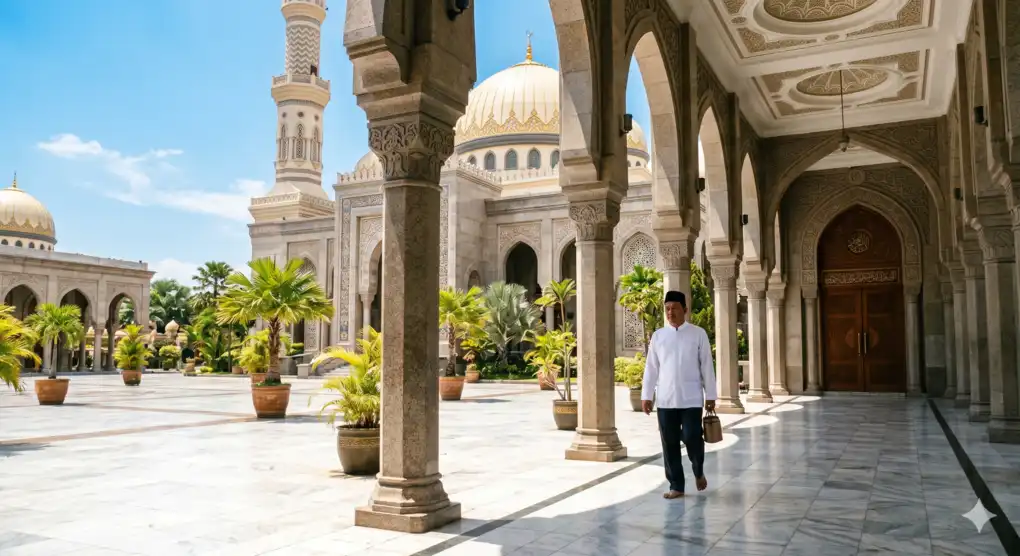
Ibrad — Delaying Zuhr During Severe Heat
This is the most famous exception form in fiqh books. Its main proof comes directly from the narration of the Two Sahihs:
“إذا اشتد الحر فأبردوا بالصلاة بالظهر فإن شدة الحر من فيح جهنم”
Meaning: “When the heat is severe, delay the Zuhr Salat until it cools, for the severity of the heat is from the breath of Hellfire.” [11]
The reason behind this recommendation is very logical. Under scorching weather conditions, rushing to perform Zuhr can cause physical fatigue (مشقة) and remove concentration (تسلب الخشوع). [12] Therefore, the sharia recommends delaying it until the weather cools slightly.
However, this rule has very strict conditions in the book:
- The weather must be genuinely extreme, not just regular warmth.
- It specifically applies in areas with hot climates.
- The congregation must walk from a long distance without shade until the shadows of walls appear elongated.
Conversely, the recommendation to delay due to heat does not apply to:
- A person performing Salat individually.
- A congregation performing worship inside their own homes.
- A congregation arriving from a short distance or having shaded paths.
- Regions that fundamentally have cold or moderate climates, even if the weather happens to be hot that day.
Other Situations Recommended for Delaying
The book Asna al-Mathalib summarizes various other conditions where delaying worship is allowed:
- A traveler on a journey: Permitted to delay the first Salat to combine it with the second.
- A person throwing the Jamarat: Permitted to delay to focus on completing the Hajj rituals.
- Wuquf at Arafah: Recommended to delay Maghrib to combine it with Isha upon arriving at Muzdalifah.
- Certainty of attaining perfection: Delaying to the end of the time is allowed if one is certain to obtain water, a sutrah, or additional congregation members.
- A sick person: If hoping their physical condition improves and they can stand by the end of the time, a brief delay is recommended.
- A person with continuous hadath (hadath dawim): If certain the hadath will stop briefly in the remaining time, waiting for that moment is a sunnah.
- Very cloudy weather: A person may wait if they are doubtful and not yet certain that the worship time has truly arrived.
Ibrad Does Not Apply to Friday Salat
The book Asna al-Mathalib provides a strict warning regarding this rule. The ruling to delay due to heat does not apply to the performance of Friday Salat. The proof comes from the Shahihain hadith regarding the companion Salamah (may Allah be pleased with him):
“كنا نجمع مع رسول الله صلى الله عليه وسلم إذا زالت الشمس”
Meaning: “We always performed Friday Salat with the Messenger of Allah ﷺ the moment the sun declined (entered its time).” [13]
Delaying the Friday worship carries a high risk of making someone miss its valid time. Furthermore, the Muslim community is indeed commanded to arrive very early at the mosque, so the scorching heat on the way is not a major obstacle.
The Virtue of the Early Time and Its Relation to Obligatory Salat Times
Obligatory Salat at the Early Time: Wajib Muwassa’
In the concept of Shafi’i fiqh, the daily worship obligation holds the status of wajib muwassa’ (وجوب موسع – an expansive obligation). This legal status means a person does not sin if they delay the worship to the middle or towards the end of its time.
The condition is that they must have a strong intention in their heart that they will perform it before the time runs out, and they do not die suddenly before doing so.
(لا يأثم بتأخيرها إن عزم في أوله و لو مات قبل فواتها)
Meaning: “He does not sin by delaying it if he resolves (to perform it) at its beginning, even if he dies before the time runs out.” [14]
The choice of the early time is not an indication that delaying is haram. The delay simply makes a person lose the ranks of reward and the highest recompense from Allah. Read about the technical details of its implementation in the difference between ada’ and qadha’ prayers.
When Does Delaying Become Haram?
The final limit of the worship time flexibility is called the haram time (وقت حرمة). The book Asna al-Mathalib strictly forbids delaying Salat if the remaining duration is no longer sufficient to complete all Salat pillars perfectly.
(وبإخراج بعضها عن الوقت يأثم)
Meaning: “And by taking a part of the Salat outside its time, he commits a sin.” [15]
Additionally, if a person believes they will soon die in the middle of the duration (for example, about to be legally executed), then the worship automatically turns into a narrow obligation (dhaiyiq) at that very moment. A person commits a major sin if they choose to delay it in such an urgent situation.
Conclusion
Hastening worship and performing Salat at the beginning of its time is the peak of virtue taught by the Quran and authentic hadiths. The perspective of the Shafi’i madhhab scholars solidifies this noble position.
Nevertheless, the book Asna al-Mathalib also presents the merciful side of this religion through logical leniencies. Preparation gaps that do not disturb the reward, as well as exceptions due to weather or traveler conditions, prove that Islamic teachings always align with human nature and capability.
FAQ: Questions About Salat at the Beginning of Its Time
If I am ready but the adhan is not finished, can I pray immediately?
Yes. The virtuous time opens the moment the worship schedule enters. The adhan is a marker, not a validity condition. If the time is confirmed to have entered, the worship can be performed immediately.
Is it a sin to delay Salat until the middle of its time?
No, it is not a sin. The obligation of fardhu Salat is wajib muwassa’ (expansive). You will not be considered sinning as long as you have the intention at the beginning that the worship will definitely be performed before its duration ends.
Do I lose the reward if I delay Salat due to work?
It is not a sin to delay it due to work demands, but you will lose the main virtue of the early time. It is highly recommended to prepare and spare a brief moment amidst work whenever possible.
Does delaying Isha until the third of the night have a special reward?
Yes. The book Asna al-Mathalib explains that although the Prophet ﷺ habitually hastened it, specific hadiths also state a separate virtue if the Isha Salat is delayed to a third or half of the night for night worship.
Can we delay the Friday Salat if the weather feels extremely hot?
No. The rule of ibrad (delaying due to scorching heat) only applies specifically to the daily Zuhr worship. Friday Salat must be hastened exactly when the sun begins to decline to prevent the risk of missing the valid time limit.
Footnotes:
Primary Reference:
Zakariyā al-Anṣārī, Asnā al-Maṭālib fī Sharḥ Rawḍ al-Ṭālib, with ḥāsyiyah by Aḥmad al-Ramlī, edited by Muḥammad az-Zuhrī al-Ghamrāwī (Cairo: al-Maṭbaʿah al-Maymānīyah, 1313 H; repr. Dār al-Kitāb al-Islāmī), Vol. 1, pages 118-120.


