



Shafi’i Fiqh Studies

Impure Water in Shafi’i Fiqh: Meaning and How…
Water is used for ablution, ritual bathing, and removing impurity. Yet water is not judged only by how…
 ByM Abi
The Two-Qullah Rule: The Threshold Between Small and…
Two qullahs are a key threshold in Shafi’i fiqh when unqualified water comes into contact with impurity. The…
ByM Abi
Sun-Heated Water in Shafi‘i Fiqh: The Ruling on…
Sun-heated water, known in classical fiqh as mushammas water or al-mā’ al-mushammas, is water warmed by direct sunlight.…
ByM Abi
Scriptural Proofs of Taharah in the Qur’an and…
Thaharah means purification according to Islamic law. It is not merely physical cleanliness, a pleasant smell, or tidy…
ByM Abi
Ḥayḍ, Nifās, and Istiḥāḍah: Women’s Rulings in Shāfiʿī…
Understanding the monthly cycle can sometimes feel like solving a puzzle, especially when bleeding appears outside the usual…
ByM Abi
Tayammum: Purification with Dust When Water is Unavailable
Did you know that performing Tayammum on a wall or a car window might be invalid if the…
ByM AbiCollection of Duas


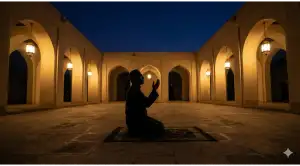
Latest Islamic Insights

The Wisdom of Qurban: Spiritual and Social Dimensions in Islam
The act of sacrifice, academically referred to as Udhiyah, is one of the most profound…
ByM Abi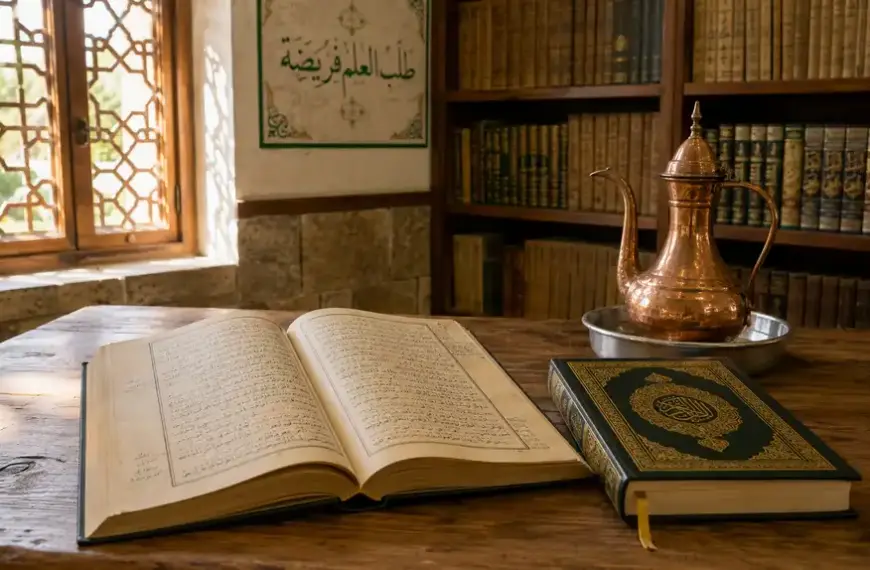
Scriptural Proofs of Taharah in the Qur’an and Hadith
Thaharah means purification according to Islamic law. It is not merely physical cleanliness, a pleasant…
ByM Abi
The Prophetic Sunnahs of Ghusl: A Complete Guide to the Correct Procedure
Worship in Islam is not merely the discharge of obligations through mechanical movements, but a…
ByM Abi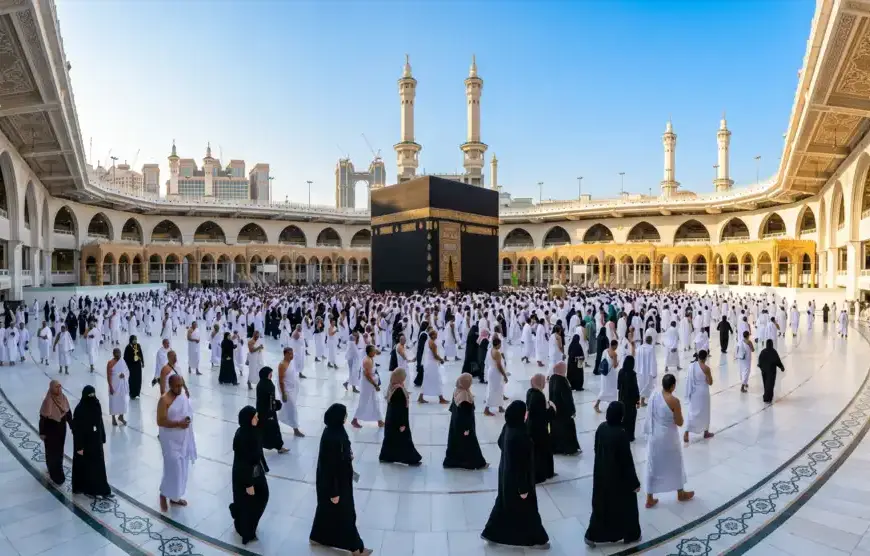
Understanding the Pillars of Hajj and Umrah: A Guide to the Holy Pilgrimage
Performing the sacred pilgrimage to Mecca is a profound spiritual journey rooted in a believer’s…
ByM Abi