

The birth of a child is an unparalleled blessing. Islam welcomes this moment not just with ordinary joy, but with a series of meaningful acts of worship that encompass gratitude, prayer, and love for others. That is aqiqah—a sunnah practiced since the time of the Prophet ﷺ, full of virtues, and holding deep wisdom.
Unfortunately, many parents still ask: is aqiqah obligatory? How many goats are required? Can cows be used? When is the time? What is done besides slaughtering the animal?
This comprehensive guide answers all these questions based on the Shafi’i school, drawing from the book Asnā al-Maṭālib by Shaykh Zakariyya al-Anshari. There are no additions outside of this reference source.
What is Aqiqah? Definition and Evidence
Linguistic and Shar’i Definition of Aqiqah
The word aqiqah (عَقِيقَة) in Arabic comes from the word ‘aqqa ya’uqqu (بكسر العين وضمها). Linguistically, aqiqah refers to the hair on a baby’s head at birth.
In shar’i terminology, aqiqah is:
مَا يُذْبَحُ عِنْدَ حَلْقِ شَعْرِهِ، لِأَنَّ مَذْبَحَهُ يُعَقُّ أَيْ يُشَقُّ وَيُقْطَعُ، وَلِأَنَّ الشَّعْرَ يُحْلَقُ إِذْ ذَاكَ
“An animal slaughtered when the baby’s hair is shaved. It is called aqiqah because the slaughtering site is split/cut, and because the baby’s hair is indeed shaved at that time.”[1]
Evidence for the Legislation of Aqiqah
The legislation of aqiqah is based on several hadiths of the Prophet ﷺ. The primary one, as mentioned in Asnā al-Maṭālib:
«الْغُلَامُ مُرْتَهَنٌ بِعَقِيقَتِهِ تُذْبَحُ عَنْهُ يَوْمَ السَّابِعِ وَيُحْلَقُ رَأْسُهُ وَيُسَمَّى»
“A child is pledged with his aqiqah; it is slaughtered on his behalf on the seventh day, his head is shaved, and he is named.”
This hadith is narrated by Imam al-Tirmidhi, and he graded it hasan sahih.[2]
The second evidence is another hadith narrated by al-Tirmidhi:
«أَنَّهُ صلى الله عليه وسلم أَمَرَ بِتَسْمِيَةِ الْمَوْلُودِ يَوْمَ سَابِعِهِ وَوَضْعِ الْأَذَى عَنْهُ وَالْعَقِّ»
“That the Prophet ﷺ ordered the naming of the newborn on his seventh day, the removal of harm from him, and the performance of aqiqah.”[3]
The wisdom behind the legislation of aqiqah, as stated in Asnā al-Maṭālib, is to manifest joy over the blessing of birth, to spread the news of the birth, and to expand genealogical ties.
Why is it Better to be Called “Nasikah” Rather than “Aqiqah”?




The Shafi’i school has a unique perspective on naming this act of worship. There is a narration from Abu Dawud with a hasan chain that someone asked the Prophet ﷺ about aqiqah, and he replied:
«لَا يُحِبُّ اللهُ الْعُقُوقَ»
“Allah does not like disobedience (al-‘uquq).”
The narrator of the hadith concluded that the Prophet ﷺ seemingly disliked the name “aqiqah” because its root word (‘aqqa) is close to the word al-‘uqūq (disobedience). In line with this, the scholars of the Shafi’i school—as quoted by Ibn Abi al-Dam—stated:
قَالَ أَصْحَابُنَا يُسْتَحَبُّ تَسْمِيَتُهَا نَسِيكَةً أَوْ ذَبِيحَةً وَيُكْرَهُ تَسْمِيَتُهَا عَقِيقَةً
“Our scholars hold the view: it is recommended to call it nasikah or dzabihah (sacrifice), and it is disliked to call it aqiqah—just as it is disliked to call the ‘Isha prayer by the name ‘atamah.”[4]
However, because the word “aqiqah” is already very popular and there is no strict prohibition, the reference texts also state that it is not disliked (makruh) to refer to it by the name aqiqah. The recommendation to use the word “nasikah” or “dzabihah” is merely preferable, not obligatory.
The Ruling of Aqiqah in the Shafi’i School
Aqiqah is Sunnah Muakkad
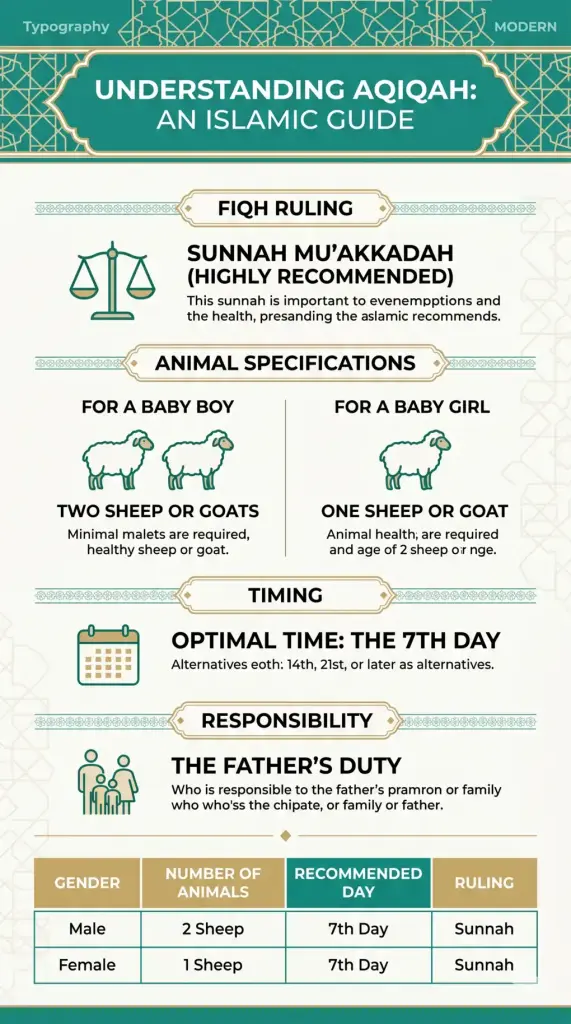
The ruling on aqiqah in the Shafi’i school is sunnah muakkadah—highly recommended, not obligatory.
وَهِيَ سُنَّةٌ مُؤَكَّدَةٌ وَإِنَّمَا لَمْ تَجِبْ لِخَبَرِ أَبِي دَاوُدَ «مَنْ أَحَبَّ أَنْ يَنْسُكَ عَنْ وَلَدِهِ فَلْيَفْعَلْ»
“Aqiqah is a sunnah muakkadah. It is not obligatory based on the hadith of Abu Dawud: ‘Whoever likes to offer a sacrifice (nasikah) for his child, let him do so.'”[5]
The phrase “whoever likes” (man aḥabba) indicates a choice, not an obligation. This serves as a strong argument for the Shafi’i school that aqiqah is not obligatory.
Another reason: aqiqah involves the shedding of blood without the cause of a crime and without a vow, so its ruling cannot be obligatory—exactly like the udhiyah/qurban.
The Meaning of “A Child is Pledged with His Aqiqah”
One of the most famous phrases from the aqiqah hadith is murtahun bi ‘aqiqatih—a child is pledged with his aqiqah. What does this mean?
In Asnā al-Maṭālib, several scholarly interpretations are cited:
- First interpretation: The child will not grow and develop as they should until the aqiqah is performed.
- Strongest interpretation (according to al-Khattabi, followed by Imam Ahmad and a number of early scholars): If the aqiqah is not performed, the child will not be able to intercede for their parents on the Day of Judgment. This is deemed the most accurate by Asnā al-Maṭālib.[6]
This interpretation highlights how crucial aqiqah is as a highly recommended sunnah for every parent.
Differences of Opinion Among Scholars on the Ruling of Aqiqah
In the treasury of Islamic jurisprudence, there are differing views among the schools of thought:
- Shafi’i and Maliki schools: Aqiqah is a sunnah muakkad.
- Some other scholars hold the opinion that it is obligatory.
The official stance of the Shafi’i school as expounded in Asnā al-Maṭālib is clear: aqiqah is a sunnah muakkad, not obligatory. The primary evidence is the aforementioned hadith of Abu Dawud using the phrase “whoever likes,” as well as the analogy with qurban which is also not obligatory.
Who is Responsible for the Aqiqah?
Aqiqah is Recommended for the Child’s Financial Supporter
Aqiqah is not a burden placed on just anyone; rather, it is specifically recommended for the person who bears the financial responsibility for the child. In Asnā al-Maṭālib:
وَإِنَّمَا تُسَنُّ لِمَنْ عَلَيْهِ النَّفَقَةُ لِلْوَلَدِ
“Aqiqah is only recommended for the one who is responsible for the child’s maintenance.”[7]
Under normal circumstances, this means the baby’s father. If the father is absent or unable, it shifts to the person who legally bears the maintenance of the child.
As for the grandfather, uncle, or other relatives who are not in the position of providing maintenance, the aqiqah is not directly recommended for them—although they are generally permitted to do so.
It is Prohibited to Perform Aqiqah Using the Child’s Wealth
A frequently asked question: is it permissible to use the child’s own wealth to finance their aqiqah?
The Shafi’i school’s answer is strict: no. This is because aqiqah is considered tabarru’ (a voluntary contribution/philanthropy), and a guardian is strictly forbidden from making tabarru’ with wealth entrusted to them.
لَا مِنْ مَالِ الصَّبِيِّ فَلَا يُعَقُّ مِنْ مَالِهِ لِأَنَّ الْعَقِيقَةَ تَبَرُّعٌ وَهُوَ مَمْتَنِعٌ مِنْ مَالِهِ فَلَوْ عَقَّ مِنْ مَالِهِ ضَمِنَ
“Not from the child’s wealth, so aqiqah cannot be done using their wealth because aqiqah is tabarru’, and tabarru’ is prohibited from their wealth. If the guardian performs aqiqah using the child’s wealth, they must compensate for it.”[8]
This provision is exactly the same as the prohibition against a guardian performing qurban using the wealth of the child under their guardianship.
What if the Provider is Unable on the Seventh Day?
If the father (or provider) is financially unable on the seventh day, does the aqiqah lapse?
The answer: it does not lapse. Aqiqah remains recommended as long as the child has not reached the signs of puberty (baligh). As for the detailed rulings:
- If unable on the 7th day, there is no demand for aqiqah at that time.
- If able after the 7th day but still within the postpartum (nifas) period, there is a difference of opinion (tawakkuf) among Shafi’i scholars as to whether aqiqah is still recommended.
- If able long after that, aqiqah remains recommended as long as the child is not yet baligh.[9]
Number and Conditions of the Aqiqah Animal
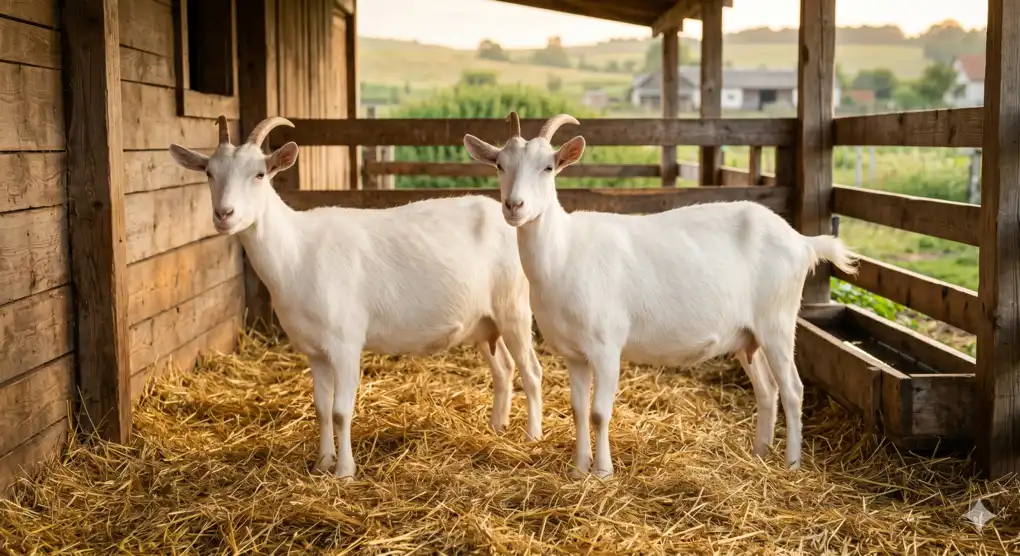
Two Goats for a Boy, One for a Girl
The number of aqiqah animals differs based on the baby’s gender. In Asnā al-Maṭālib:
يُسْتَحَبُّ أَنْ يُعَقَّ عَنِ الْغُلَامِ بِشَاتَيْنِ مُتَسَاوِيَتَيْنِ
“It is recommended to perform aqiqah for a boy with two equal goats.”
The basis is the hadith of Aisha radhiyallahu ‘anha: “The Messenger of Allah ﷺ commanded us to perform aqiqah for a boy with two equal goats (mutakāfi’atain), and for a girl with one goat.” Narrated by al-Tirmidhi, he graded it hasan sahih.[10]
The word mutakāfi’atain (متكافئتين) in the hadith means two goats that are comparable or equivalent in terms of age, physical condition, and quality. They do not have to be twins, but they must be balanced.
Is One Goat Sufficient for a Boy?
Yes, even one goat is sufficient for a boy and still fulfills the basis of the aqiqah sunnah. The evidence:
وَيُجْزِئُ عَنِ الْعَقِّ عَنِ الْغُلَامِ شَاةٌ وَاحِدَةٌ لِمَا رَوَى أَبُو دَاوُدَ بِإِسْنَادٍ صَحِيحٍ أَنَّهُ صلى الله عليه وسلم عَقَّ عَنِ الْحَسَنِ وَالْحُسَيْنِ كَبْشًا كَبْشًا
“One goat is sufficient for the aqiqah of a boy, based on the hadith of Abu Dawud with an authentic chain that the Prophet ﷺ performed aqiqah for Hasan and Husain with one ram each.”[11]
Thus, two goats are the most preferred (afdhal), while one goat is sufficient (mujzi’) and discharges the recommendation of the sunnah.
The Ruling on Aqiqah Using a Cow or Camel
Can aqiqah be done using a cow or camel instead of a goat?
The answer: yes. In Asnā al-Maṭālib, it is mentioned that one-seventh (sub’) of a camel or cow is equivalent to one goat in the context of aqiqah:
وَكَالشَّاةِ سَبْعُ بَدَنَةٍ وَالْمُرَادُ أَنَّهُ يَتَأَدَّى بِكُلٍّ مِنْهُمَا أَصْلُ السُّنَّةِ
“One-seventh of a camel (or cow) is equivalent to a goat, meaning that either of them fulfills the original sunnah of aqiqah.”[12]
This means that if seven people jointly purchase one cow or camel for the aqiqah of seven children simultaneously, it is valid and sufficient.
Conditions for the Aqiqah Animal are the Same as Qurban
One crucial point: all conditions that apply to qurban animals—ranging from the type of animal (an’ām), minimum age limit, to freedom from debilitating defects—also apply to aqiqah.
وَهِيَ كَالأُضْحِيَةِ فِي سَائِرِ الأَحْكَامِ مِنْ جِنْسِهَا وَسِنِّهَا وَسَلَامَتِهَا وَالأَفْضَلِ مِنْهَا
“Aqiqah follows qurban in all its rulings: the type of animal, age, freedom from defects, and which is more preferred.”[13]
Ruling on the Aqiqah for a Khuntha (Intersex) Child
What if the baby’s gender is unclear (khuntha mushkil)? In Asnā al-Maṭālib, al-Isnawi asserts that a khuntha is treated like a girl:
وَكَالْجَارِيَةِ الْخُنْثَى عَلَى الْمُتَجَهِ كَمَا قَالَهُ الإِسْنَوِي
“A khuntha is equated with a girl according to the more accurate view, as stated by al-Isnawi.”[14]
Thus, one goat is sufficient for the aqiqah of a khuntha baby.
Timing of the Aqiqah Performance
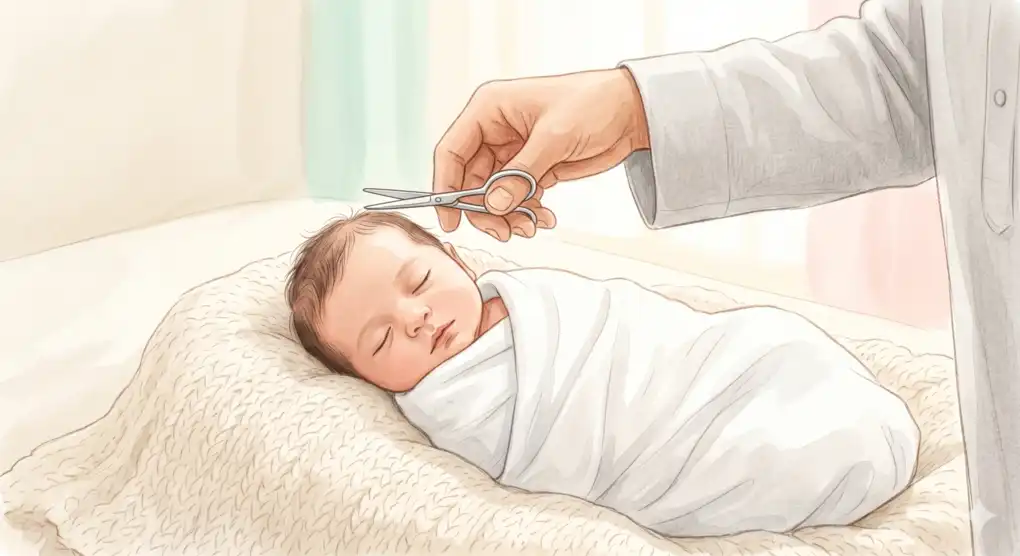
Primary Time: The Seventh Day from Birth
The most recommended time to slaughter the aqiqah animal is the seventh day from the baby’s birth. In Asnā al-Maṭālib:
يُسْتَحَبُّ ذَبْحُهَا يَوْمَ سَابِعِ الْوِلَادَةِ فَيَدْخُلُ يَوْمُهَا فِي الْحِسَابِ
“It is recommended to slaughter the aqiqah on the seventh day of birth, and the day of birth itself is included in the calculation.”[15]
This is based on the hadith narrated by al-Bayhaqi with a hasan chain that the Prophet ﷺ performed aqiqah for Hasan and Husain on the seventh day, shaved their heads, and gave them names.
How to Calculate the Seventh Day (Night Births)
If the baby is born at night, how is it calculated?
Asnā al-Maṭālib provides a clear guideline:
فَإِنْ وُلِدَ لَيْلًا لَمْ يُحْسَبْ يَوْمًا بَلْ يُحْسَبُ مِنْ يَوْمِ تِلْكَ اللَّيْلَةِ
“If the baby is born at night, that night is not counted. The calculation starts from the daytime (the following day).”[16]
Practical example: a baby is born on Monday night (the eve of Tuesday) → counting starts from Tuesday daytime → the seventh day falls on Monday (seven days later, Tuesday being day 1).
Aqiqah Does Not Lapse Until the Child Reaches Puberty
If the seventh day is missed for any reason, the aqiqah does not lapse. It remains a recommended act as long as the child has not reached puberty:
وَلَا تَفُوتُ عَلَى الْوَلِيِّ الْمُوسِرِ بِهَا حَتَّى يَبْلُغَ
“The aqiqah does not lapse from the responsibility of the capable guardian until the child reaches puberty.”[17]
If the 7th day is missed, it can still be done on the 14th or 21st day (following the multiples of seven). But if that is not possible, it can be anytime before the child reaches puberty.
Ruling on Performing One’s Own Aqiqah in Adulthood
What if someone never had an aqiqah performed for them as a child? Can they perform aqiqah for themselves after becoming an adult?
Asnā al-Maṭālib answers:
فَإِنْ بَلَغَ فَحَسَنٌ أَنْ يَعُقَّ عَنْ نَفْسِهِ
“If they reach puberty (and have not had an aqiqah), then it is recommended for them to perform aqiqah for themselves.”[18]
However, there is an important note: there is a hadith mentioning that the Prophet ﷺ performed aqiqah for himself after being appointed as a prophet. The text of Asnā al-Maṭālib evaluates this hadith as bathil (weak/fabricated), as quoted from Imam al-Nawawi’s al-Majmū’.[19]
Conclusion: performing aqiqah in adulthood remains recommended based on general principles within the school, even though the specific hadith about the Prophet performing aqiqah for himself is not authentic.
Recommended Sunnah Acts During Aqiqah
Adhan in the Right Ear and Iqamah in the Left Ear
The first sunnah performed as soon as the baby is born is reciting the adhan in the right ear and the iqamah in the left ear. In Asnā al-Maṭālib:
يُؤَذَّنُ فِي أُذُنِهِ الْيُمْنَى وَيُقَامُ فِي الْيُسْرَى لِأَنَّهُ صلى الله عليه وسلم أَذَّنَ فِي أُذُنِ الْحُسَيْنِ حِينَ وَلَدَتْهُ فَاطِمَةُ
“The adhan is recited in the right ear and the iqamah in the left. Because the Prophet ﷺ recited the adhan in the ear of Husain when Fatimah gave birth to him.” Narrated by al-Tirmidhi and he graded it hasan sahih.[20]
The wisdom: so that the phrase of monotheism (Tawhid) is the first thing heard by the baby upon arriving in the world, just as it is the phrase prompted (talqin) when someone is approaching the signs of death. Additionally, it drives away the devil, who flees upon hearing the adhan.
It is also recommended to recite the verse:
{وَإِنِّي أُعِيذُهَا بِكَ وَذُرِّيَّتَهَا مِنَ الشَّيْطَانِ الرَّجِيمِ} [آل عمران: 36]
in the baby’s ear, even if the baby is a boy—recited as tilawah or seeking blessings from the words of the verse.[21]
Tahnik: Feeding the Baby with Dates or Something Sweet
The next sunnah is tahnik: chewing a date and then rubbing it on the baby’s palate, so that a little goes down their throat. The evidence:
وَأَنْ يُحَنَّكَ الْوَلَدُ بِتَمْرٍ يُمْضَغُ وَيُدْلَكُ بِهِ حَنَكُهُ وَيُفْتَحُ فَمُهُ حَتَّى يَدْخُلَ إِلَى جَوْفِهِ مِنْهُ شَيْءٌ
“It is recommended to perform tahnik on the baby with a chewed date, rubbing the palate with it, and opening their mouth so that a little of it enters their stomach.”[22]
If dates are unavailable, they can be substituted with other sweet foods. It is narrated in Sahih Muslim that the Prophet ﷺ performed tahnik on Abu Talha’s son with a date, and then named him Abdullah.
It is also recommended that the one performing tahnik is a pious and righteous person. If no such man is available, it can be done by a righteous woman.
Shaving the Baby’s Hair and Giving Charity Equal to its Weight
On the seventh day, after slaughtering the aqiqah animal, it is recommended to shave all the baby’s hair. Then, give charity in gold equal to the weight of the hair. If unable to afford gold, then silver.
يَحْلِقُ لَهُ يَوْمَ السَّابِعِ بَعْدَ الذَّبْحِ وَيَتَصَدَّقُ بِوَزْنِ الشَّعْرِ ذَهَبًا وَإِلَّا فَفِضَّةً لِأَنَّ النَّبِيَّ صلى الله عليه وسلم أَمَرَ فَاطِمَةَ فَقَالَ زِنِي شَعْرَ الْحُسَيْنِ وَتَصَدَّقِي بِوَزْنِهِ فِضَّةً وَأَعْطِي الْقَابِلَةَ رِجْلَ الْعَقِيقَةِ
“The hair is shaved on the seventh day after the slaughter, then charity is given with gold equal to its weight—if unable, then silver. Because the Prophet ﷺ commanded Fatimah: ‘Weigh Husain’s hair and give charity with its weight in silver, and give the midwife one leg of the aqiqah animal’.” Narrated by al-Hakim and he authenticated it.[23]
The text of Asnā al-Maṭālib draws an analogy between gold and silver, and between baby girls and baby boys in this ruling. Gold is more preferred than silver, even though the base hadith mentions silver.
Giving a Good Name on the Seventh Day
The seventh day is also the recommended time to name the baby. In Asnā al-Maṭālib:
يُسَمِّيهِ يَوْمَ السَّابِعِ وَأَنْ يُحْسِنَ اسْمَهُ وَأَفْضَلُهَا عَبْدُ اللهِ وَعَبْدُ الرَّحْمَنِ
“It is recommended to name him on the seventh day and to choose a good name. The best names are Abdullah and Abdurrahman.”[24]
The basis: The Prophet ﷺ named Abu Talha’s son Abdullah, and said to someone: “Name your child Abdurrahman.” Both are narrated by al-Bukhari and Muslim. Imam Muslim also narrated: “The names most beloved to Allah are Abdullah and Abdurrahman.”
Disliked names include: Najīḥ, Barakah, Ḥarb, Murrah, Kalb, ‘Āshiyah, Shayṭān, Shihāb, Zhālim, Ḥimār—and similar ones. Names like “Sittu al-nās” (master of the people) or “al-‘Ulamā'” are even more strongly disliked. It is recommended to change a bad name, based on the authentic hadith that the Prophet ﷺ changed the bad names of several companions.[25]
Giving the Leg of the Aqiqah Animal to the Midwife
One sunnah that is not widely known is giving one leg of the aqiqah animal to the midwife (qābilah) who assisted in the delivery. This is a form of appreciation and gratitude to the person who contributed to the birth process.
This ruling is based on the aforementioned hadith of al-Hakim. Al-Zarkashi stated that the leg is given in a raw state (nii’), not cooked.[26]
Congratulating the Parents (Tahni’ah)
In Asnā al-Maṭālib, it is mentioned as a sunnah for guests and relatives to offer congratulations in Islam to the parents upon the birth of the baby:
وَأَنْ يُهَنَّأَ بِهِ الْوَالِدُ بِأَنْ يُقَالَ لَهُ بَارَكَ اللهُ لَكَ فِي الْمَوْهُوبِ لَكَ وَشَكَرْتَ الْوَاهِبَ وَبَلَغَ أُشُدَّهُ وَرُزِقْتَ بِرَّهُ
“It is recommended to congratulate the parents by saying: ‘May Allah bless you in what He has granted you, may you be grateful to the Giver, may he reach maturity, and may you be granted his filial piety’.”[27]
As for the recommended reply for parents receiving congratulations: “Bārakallāhu laka wa bāraka ‘alayk” (May Allah bless you) or similar phrases.
It is Disliked to Smear the Baby’s Head with Blood
In the pre-Islamic era (Jahiliyyah), there was a custom of smearing the newborn’s head with the blood of the aqiqah animal. Islam prohibited this custom:
يُكْرَهُ لَطْخُ رَأْسِ الصَّبِيِّ بِدَمِهَا لِأَنَّهُ مِنْ فِعْلِ الْجَاهِلِيَّةِ
“It is disliked (makruh) to smear the baby’s head with the blood of the aqiqah animal, as it is from the practices of Jahiliyyah.”[28]
Instead, it is permissible to smear the baby’s head with saffron (za’faran) or perfume (khuluq). In fact, Asnā al-Maṭālib quotes an opinion that considers it recommended, based on an authentic hadith narrated by al-Hakim that during the Jahiliyyah era, people smeared the baby’s head with blood, and in Islam, it was replaced with saffron.
Sunnah in Cooking Aqiqah Meat
Recommended to Cook with a Sweet Flavor
Unlike qurban meat, aqiqah meat has specific sunnahs regarding how it is cooked. Asnā al-Maṭālib mentions:
يُسْتَحَبُّ طَبْخُهَا بِحُلْوٍ تَفَاؤُلًا بِحَلَاوَةِ أَخْلَاقِ الْوَلَدِ
“It is recommended to cook aqiqah meat with a sweet flavor, as an optimistic hope (tafā’ul) for the sweetness of the child’s character.”[29]
This is a unique sunnah of aqiqah that does not apply to qurban. Cooking with a sweet flavor (such as using honey or other sweet seasonings) acts as a prayer and hope from the parents that the child will grow up with noble character.
No Problem with Cooking with a Sour Flavor
Although a sweet flavor is preferred, cooking aqiqah with a sour flavor is not disliked (makruh) or prohibited:
وَلَا يُكْرَهُ الْحَامِضُ أَيْ طَبْخُهَا بِهِ إِذْ لَمْ يَثْبُتْ فِيهِ نَهْيٌ مَقْصُودٌ
“It is not disliked to cook it with a sour flavor, because there is no authentic, specific prohibition against it.”[30]
Thus, choosing a sweet flavor is the primary sunnah, but cooking it with other flavors remains permissible and valid.
Delivering the Food to the Poor is More Preferred
When distributing the cooked aqiqah meat, there are two methods: inviting the poor to the house, or delivering the food directly to them. Which is better?
وَالْحَمْلُ أَيْ حَمْلُهَا مَطْبُوخَةً مَعَ مَرَقِهَا لِلْفُقَرَاءِ أَفْضَلُ مِنْ نِدَائِهِمْ إِلَيْهَا وَلَا بَأْسَ بِنِدَاءِ قَوْمٍ إِلَيْهَا
“Delivering the cooked food along with its broth to the poor is better than inviting them to it. However, there is no harm in inviting people to eat it together.”[31]
The wisdom behind delivering it is a higher form of respect for the poor, ensuring they receive their share without having to ask.
It is Recommended Not to Break Its Bones
Another specific sunnah in aqiqah is to avoid breaking the bones of the aqiqah animal as much as possible:
يُسْتَحَبُّ أَنْ لَا يُكْسَرَ عَظْمُهَا مَا أَمْكَنَ تَفَاؤُلًا بِسَلَامَةِ أَعْضَاءِ الْوَلَدِ
“It is recommended not to break its bones as much as possible, as an optimistic hope for the safety of the child’s limbs.”[32]
If the bones must be broken, the ruling is not disliked (makruh)—only less preferred (khilaf al-awla), because there is no strict, authentic prohibition. This is a sunnah of optimism and good prayer (tafā’ul), not a binding restriction.
Summary of Aqiqah Rulings in the Shafi’i School
| Aspect | Shafi’i School Ruling |
| Ruling of Aqiqah | Sunnah Muakkad |
| Recommended Alternative Names | Nasikah or Dzabihah |
| Baby Boy | 2 equal goats (1 is permissible) |
| Baby Girl | 1 goat |
| Khuntha Child | 1 goat (equated with a girl) |
| Alternative Cows/Camels | 1/7 of a cow or camel = 1 goat |
| Primary Timing | 7th day from birth |
| If Missed | Remains recommended until the child reaches puberty |
| Responsible for Aqiqah | Child’s financial supporter (usually the father) |
| From the Child’s Wealth | Prohibited (guardian must compensate) |
| Aqiqah in Adulthood | Recommended (for those who have not had one) |
| Cooking Method | Recommended to have a sweet flavor |
| Breaking Bones | Less preferred (khilaf al-awla) |
| Smearing Head with Blood | Disliked (practice of Jahiliyyah) |
FAQ: Questions About Aqiqah
1. Is aqiqah obligatory?
No, it is not obligatory. The ruling on aqiqah according to the Shafi’i school is sunnah muakkad—highly recommended but not an obligation. The evidence is the hadith of Abu Dawud: “Whoever likes to offer a sacrifice for his child, let him do so”—the phrase “whoever likes” indicates a choice, not an obligation.
2. How many goats are required for a boy’s aqiqah?
The most preferred is two equal goats. However, one goat is sufficient and fulfills the recommendation of the sunnah, based on the hadith that the Prophet ﷺ performed aqiqah for Hasan and Husain with one ram each.
3. Can aqiqah use a cow instead of a goat?
Yes. One-seventh of a cow or camel is equivalent to one goat. Thus, seven people can jointly purchase one cow for the aqiqah of seven children at once—this is valid and fulfills the original sunnah.
4. When is the best time to perform aqiqah?
The best time is the seventh day from birth, with the day of birth counted as the first day. If missed, it can be done on the 14th or 21st day. If that is not possible, anytime before the child reaches puberty—aqiqah does not lapse as long as the child has not reached puberty.
5. Can one perform their own aqiqah in adulthood?
Yes, it is even recommended for those who have never had an aqiqah performed for them during childhood. This is based on the statement in Asnā al-Maṭālib: “If they reach puberty (and have not had an aqiqah), then it is recommended for them to perform aqiqah for themselves.”
Footnotes
Reference
Zakariyā al-Anṣārī, Asnā al-Maṭālib fī Sharḥ Rawḍ al-Ṭālib, with a ḥāshiyah by Aḥmad al-Ramlī, edited by Muḥammad az-Zuhrī al-Ghamrāwī (Cairo: al-Maṭbaʿah al-Maymānīyah, 1313 AH; repr. Dār al-Kitāb al-Islāmī), vol. 1, pp. 548–550.


