The Ruling of Qurban in Islam: A Comprehensive Guide

A Muslim man wearing a skullcap reading a classical Islamic fiqh book about the ruling of Qurban with a ram visible through the window.

The ruling of Qurban (Udhiyah) is one of the most vital theological and jurisprudential topics discussed by Muslims as the festival of Eid al-Adha approaches. As a profound demonstration of devotion, understanding the precise meaning and ruling of Qurban ensures that this sacred act is performed validly and accepted by the Almighty. In Islamic jurisprudence … Read more

Understanding the Meaning and Ruling on Qurban in Islam

Perfect white horned ram for Qurban sacrifice in a green pasture

Qurban, jurisprudentially known as Udhiyyah in Arabic, stands as one of the most profound annual acts of worship in Islam, observed during Eid al-Adha and the days of Tashriq. Coinciding with the culmination of the history of Hajj rites, this practice transcends the mere physical slaughtering of livestock; it serves as a profound medium to … Read more

Is Washing 3 Times in Wudu Obligatory? Rulings, Evidence, and Sunnah Methods

Hands catching clear water for wudu with a blurry mosque in the background

Ablution is a fundamental prerequisite for the validity of prayer and a vital part of the concept of ritual purity (taharah) in Islam. Because performing it correctly is an essential reflection of one’s faith in Allah, Muslims strive to emulate the Prophet Muhammad (peace be upon him) as closely as possible. One of the most … Read more

Islamic Rulings on Wudu for Amputees in the Shafi’i Madhhab

A Muslim man pouring water from a copper vessel onto his arm to perform wudu in a modern mosque purification area with gold Arabic calligraphy.

Performing ablution is a fundamental prerequisite for prayer, but how does one approach Wudu for amputees? In Islamic jurisprudence, or fiqh, physical limitations do not entirely absolve a believer from their religious obligations. Within the Shafi’i madhhab, the core principle applied to this condition is al-maysūr lā yasquṭ bil-ma‘sūr (what can be accomplished is not … Read more

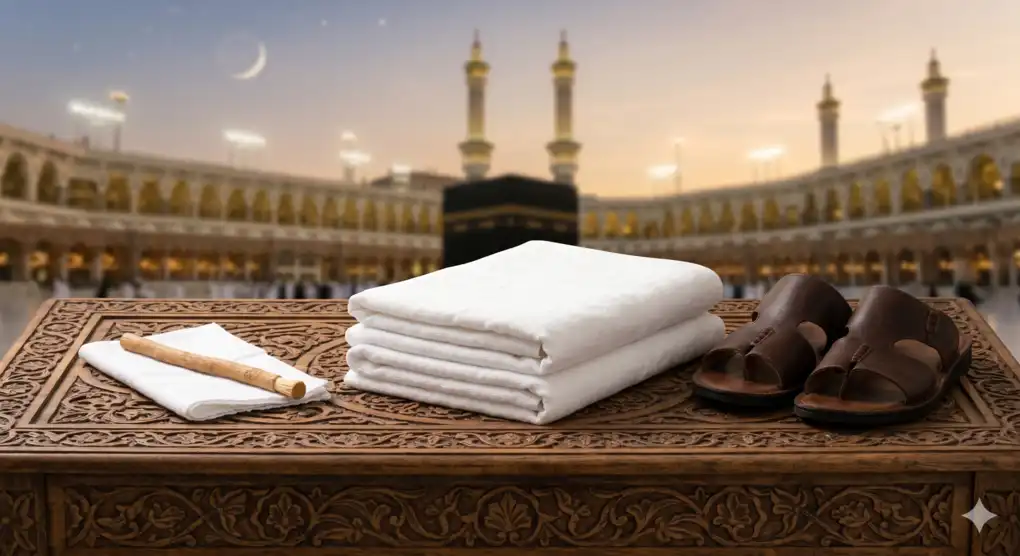
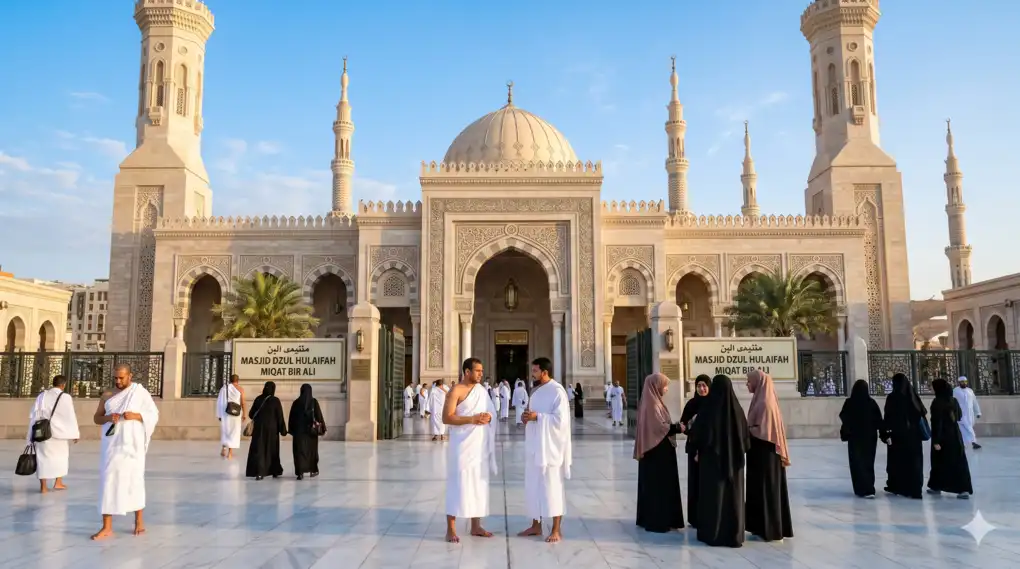
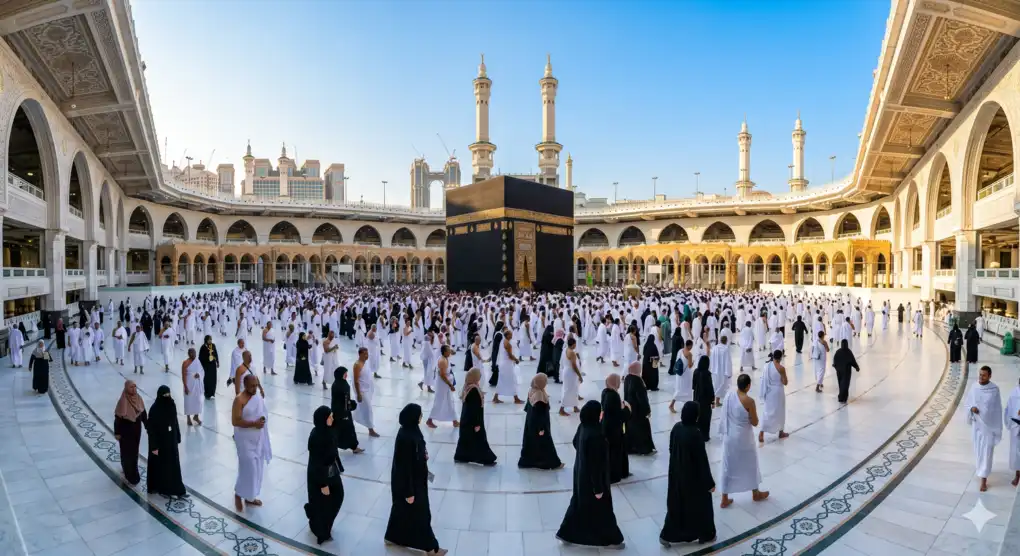
The 6 Obligatory Conditions of Hajj and Umrah: Responding to the Divine Call

obligatory conditions of Hajj: An opened Shafi'i fiqh manual (Kashifatus Saja or Fiqh Manhaji) resting on an aesthetic wooden desk, illuminated by the warm glow of an antique lantern, with a peaceful silhouette of the Kaaba and bokeh lights of Masjid al-Haram visible through a window in the background.

The Hajj pilgrimage, the fifth pillar of Islam, is the ultimate spiritual dream for every Muslim. However, not every Muslim bears the immediate obligation to perform it. Several obligatory conditions of Hajj must be fulfilled before an individual is legally bound to undertake the journey. Understanding these obligatory conditions of Hajj and Umrah is essential … Read more

Mandancy and Primary Evidence on Istinja’ in Islamic Jurisprudence

Macro photography of crystal clear absolute water flowing over smooth river stones, symbolizing purity and Islamic taharah.

Purity and cleanliness are integral aspects of faith. Within Islamic teachings, the attention to cleanliness is not solely limited to outward appearance but extends to inner purity from impurities, particularly after relieving oneself. This essential process of cleansing is known as istinja’. A comprehensive understanding of the mandatory ruling, the primary evidence on istinja, and … Read more

Are Dead Mosquitoes and Flea Blood Najis? A Shafi’i Fiqh Perspective

Opened classical Arabic Shafi'i fiqh kitab titled Kashifat as-Saja on a wooden desk with a clear tea water glass, displaying specific Arabic text about excused impurities in water and prayer garments.

Physical cleanliness and the purity of prayer spaces are absolute foundations for establishing daily prayers. Occasionally, we face trivial yet confusing situations. You might find a dead mosquito at the bottom of a drinking glass or accidentally crush a flea between your fingers until it bleeds. A fundamental question arises in the study of daily … Read more

Mediums of Thaharah: Islamic Purification Tools and Their Importance

Still life composition of mediums of thaharah: copper water pitcher, clay bowl with soil for tayammum, acacia pods for tanning, and stones for istinja on a solid wood table with Islamic window shadows.

Purification is a fundamental cornerstone of a Muslim’s daily worship. It extends far beyond basic physical cleanliness, representing a state of ritual purity required to validate major acts of worship within the core pillars of Islam, such as the obligatory prayers and circumambulation (Tawaf). Understanding the mediums of thaharah—the legally approved tools for Islamic purification—is … Read more

The Meaning of Istinja: Foundation of Purity in Islam

Meaning of Istinja: Traditional copper water pitcher and white towel on a wooden table with Islamic geometric pattern background symbolizing purity in istinja.

Cleanliness is an integral pillar of Islamic teachings. One fundamental personal hygiene practice required of every Muslim is Istinja. While many are familiar with the term, what exactly is the meaning of Istinja? Why is this specific practice so heavily emphasized within the Sharia? This article explores the definition, linguistic roots, and spiritual significance of … Read more

The Legal Basis of Hajj and Umrah in Islamic Jurisprudence

An open classical Fiqh book with the Kaaba in the background symbolizing the legal basis of Hajj and Umrah.

The Hajj and Umrah pilgrimages hold a special place in the heart of every Muslim. Both represent a profound spiritual journey to the Sacred House (Baitullah) in Makkah Al-Mukarramah, deeply laden with values of obedience and ultimate submission to Allah (SWT). Understanding the legal basis of Hajj and Umrah is a crucial foundation for Muslims … Read more