What is the Difference Between Ada’ and Qadha’ Prayers? A Complete Explanation in the Shafi’i School

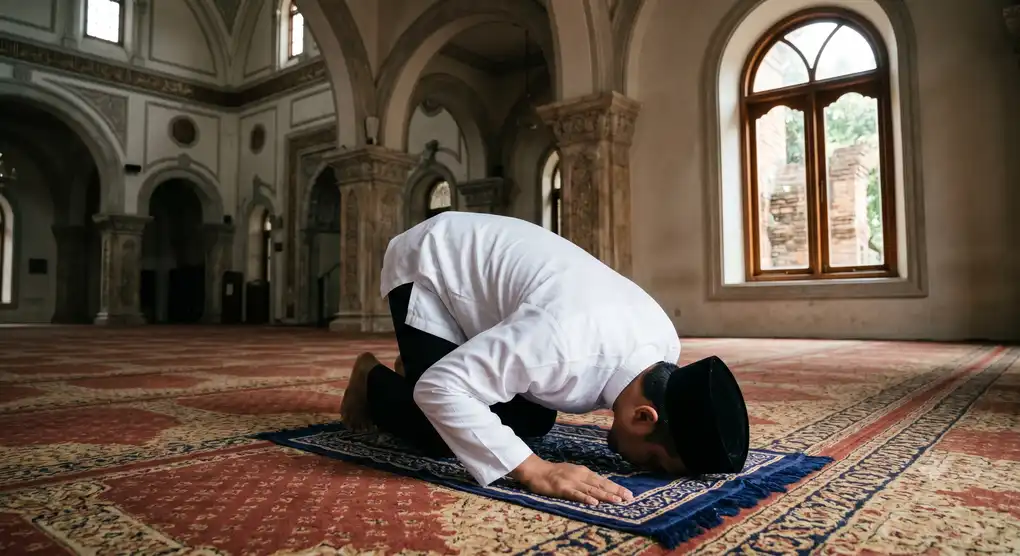
A Muslim man wearing a peci in prostration during prayer in a clean and brightly lit mosque

Ada’ prayer is a prayer performed within its prescribed time limit—from its commencement to its expiration. Qadha’ prayer, on the other hand, is a prayer performed after this time has expired. This distinction is not merely a technicality of execution. Behind it lie jurisprudential (fiqh) principles that determine whether a prayer is valid or not, … Read more

Pray First or Eat First? A Complete Explanation from the Shafi’i School

Jam dinding waktu Maghrib di samping piring makan di meja kayu — ilustrasi pertanyaan shalat dulu atau makan dulu

The Maghrib adhan has just been called. On the dining table, a warm meal is already served. Your stomach is hungry. Almost everyone has experienced a situation like this. Then arises a seemingly simple question that often causes confusion: should you pray first or eat first? This question is not about wanting to belittle the … Read more

Is Posting Acts of Worship on Social Media Considered Riya? Here is the Answer

Neatly dressed Muslim solemnly reading the Quran without holding a phone

A Muslim posts a status: “Alhamdulillah, just finished Tahajjud prayer. Hope to remain istiqamah.” In the comments section, praise flows. In another corner, a Muslimah uploads a photo of a suhoor dining table complete with a morning prayer caption. Is this riya? Or dawah? Or something in between? This is not a new question. However, … Read more

The Complete Guide to Aqiqah in the Shafi’i School: Rulings, Animals, Timing & Procedures

Discover the complete guide to performing aqiqah in Islam according to the Shafi'i school, an important sunnah for parents welcoming a newborn.

The birth of a child is an unparalleled blessing. Islam welcomes this moment not just with ordinary joy, but with a series of meaningful acts of worship that encompass gratitude, prayer, and love for others. That is aqiqah—a sunnah practiced since the time of the Prophet ﷺ, full of virtues, and holding deep wisdom. Unfortunately, … Read more

The Complete Guide to Qurban According to the Shafi’i School: Rulings, Conditions, Timings & Procedures

Arabic calligraphy featuring the word Al-Udhiyah (qurban) in Thuluth style with an Islamic ornament background in green and gold colors.

Eid al-Adha is not merely a festival. Behind the echoing takbir and the steaming aroma of meat lies a magnificent act of worship that requires careful fiqh understanding: qurban (udhiyah). This worship is not just about slaughtering an animal — it is a form of servitude that possesses highly specific conditions, timings, and procedures within … Read more

Why is Salat at the Beginning of Its Time More Virtuous? Proofs, Methods, and Exceptions

Illustration of a modestly dressed Muslim woman covering her awrah, preparing to perform the early prayer according to Shafi'i fiqh.

Is there a difference in reward between performing Salat at the beginning of its time compared to doing it in the middle or end of the time? The scholars of the Shafi’i madhhab have answered this question thoroughly in the book Asna al-Mathalib by Shaykh Zakariyya al-Anshari (Vol. 1, Pages 117–119). This article explains the … Read more

Complete Guide to Obligatory Prayer (Salah) in the Shafi’i Madhhab: Rulings, Times, and Validity

Illustration of a Muslim man establishing obligatory prayer devoutly inside a mosque environment, representing the practical guide to daily worship according to Islamic law.

Performing acts of worship in Islam must be based on correct knowledge. Understanding the basics of prayer is closely linked to seeking goodness from the Creator. Prayer (Salah) is the most magnificent pillar of Islam after the testimony of faith (Shahada). Every Muslim must understand the wisdom of obligatory prayers and how to perform them … Read more

Valid Ghusl Intention: Essential Conditions for an Accepted Ritual Bath

Classical fiqh book and pure water symbolizing the conditions for a valid ghusl intention.

You may have bathed, cleansed your entire body, and used abundant water, but is your purification legally valid according to Islamic law? There is a profound jurisprudential reality that many overlook: an individual can spend hours scrubbing their body until it is impeccably clean, yet their bath remains invalid if the primary foundational condition is … Read more

What is Riya: Meaning, Types, Examples, and Its Dangers in Islam

An illustration of a Muslim woman putting money into a charity box with two sides showing the difference between sincere intention for Allah and riya seeking social media likes.

A servant might appear steadfast in establishing prayer with lengthy recitations, generously giving large amounts of charity, and diligently attending religious gatherings every single day. However, this entire accumulation of deeds can instantly shatter and hold absolutely no weight in the sight of Allah ﷻ. This destruction occurs not because the individual violated the pillars … Read more

The Differences Between Riya, Sum’ah, and Ujub: Identify the 3 Destroyers of Good Deeds

A conceptual image symbolizing the danger of spiritual diseases that destroy rewards, showing the scales of the Hereafter and flying dust.

A paradox often entraps the spiritual life of a believer: a person might appear exceptionally disciplined in their worship—performing prayers at the earliest time, regularly giving charity, and never missing religious gatherings—yet ironically, the record of their deeds risks turning into worthless dust on the scales of the Hereafter. The ruin of these deeds occurs … Read more