
What Is Istihalah in the Fiqh of Impurity?
We usually purify impurity with water. Urine on the body is washed. Blood on a garment is washed. But some impurities need no washing at all, because the substance itself has changed. Wine that turns into vinegar and the hide of a carcass that has been tanned are the two examples people ask about most.
This kind of change is called istihalah in fiqh. This article explains istihalah in Shafi’i fiqh from the ground up: what it means, what the governing rule is, which changes purify, and which do not. For the big picture of the chapter on impurity, read the guide to impurity first, then continue here.
The Meaning of Istihalah: Linguistic and Technical
Linguistically, istihalah comes from the verb istahala, which means to change form or to take on a different essence. In the chapter on impurity, the term is used for an impure substance that turns into another substance with a different essence.
So what changes is not just the appearance. The impure substance itself no longer exists, and what remains is a new substance. That is why istihalah does not mean “removing impurity from a place”. It means “the impurity itself taking on another form”.
Shaykh Zakariyya al-Ansari states the core rule in Asna al-Mathalib in one short sentence:
وَيَطْهُرُ كُلُّ نَجِسٍ اسْتَحَالَ حَيَوَانًا … لَا إِنِ اسْتَحَالَ رَمَادًا وَمِلْحًا وَنَحْوَهُمَا
Meaning: “Every impure substance that turns into an animal becomes pure … but it does not become pure if it turns into ash, salt, and the like.”[1]
This sentence opens the door and sets the limit at the same time. We look at the details below.
The Place of Istihalah in the Chapter on Impurity
Shafi’i scholars recognize several ways for an impure substance, or something touched by impurity, to become pure. The most common is washing with water. Besides that, there are other ways that do not use water:
- Istihalah: the impurity changes into another substance, such as wine turning into vinegar.
- Dabagh (tanning): the hide of a carcass that has been tanned.
- Slaughter (dhakat) of a lawful animal, which preserves the purity of its meat.
Al-Ansari arranges these close together in one run of discussion. There he says that slaughter preserves the purity of an animal that is lawful to eat, followed by tanning, then wine, then istihalah.[2] That order shows that all of them are ways of purifying other than washing.
The Difference Between Istihalah and Izalah
These two terms are often confused, yet they work in opposite ways.
- Istihalah: the impure substance itself changes. No impurity is thrown away, because the impurity no longer exists.
- Izalah: the impure substance is removed from the place it touched, usually with water. The impurity remains impure. It is only moved away.
An example of izalah: a shirt gets blood on it, then is washed until clean. An example of istihalah: grape juice becomes wine, then that wine changes by itself into vinegar. The wine is not “washed”. It changes into another substance.
Once we understand this difference, we will not apply the rule of one case to the other by mistake.
Why Does Istihalah Matter?
Many everyday matters touch on this rule. Some of the most frequently asked:
- Wine that turns into vinegar: may that vinegar be used and eaten?
- A carcass that turns into ash: is the ash pure?
- Eggs and chicks: what is the status of the blood inside an egg that hatches?
- Worms from impure matter: is the worm impure?
- The hide of a carcass: when is it pure, and when is it not?
- Tape and date juice: can they become pure vinegar?
We answer each one in turn, with references taken directly from the classical books. The discussion of impure substances changing their ruling in the cases of wine, tanning, and their containers comes in the sections that follow.
The Rule of Istihalah: Impurity That Turns into an Animal Is Pure
This rule is the core of the discussion of istihalah. Al-Ansari writes in Asna al-Mathalib:
وَيَطْهُرُ كُلُّ نَجِسٍ اسْتَحَالَ حَيَوَانًا كَدَمِ بَيْضَةٍ اسْتَحَالَ فَرْخًا عَلَى الْقَوْلِ بِنَجَاسَتِهِ وَلَوْ كَانَ الْحَيَوَانُ دُودَ كَلْبٍ
Meaning: “Every impure substance that turns into an animal becomes pure, such as the blood in an egg that turns into a chick, according to the view that the blood is impure, even if the animal is a dog’s worm.”[3]
Notice how it is built. The ruling of purity is not decided by what the substance started as, but by its final state. When the end result is a living creature, the impurity that was once in it loses its ruling.
The Reason Behind the Ruling: Life Repels Impurity
Why is a living animal ruled pure even though it came from impurity? Al-Ansari explains the reason:
لِأَنَّ لِلْحَيَاةِ أَثَرًا بَيِّنًا فِي دَفْعِ النَّجَاسَةِ
Meaning: “Because life has a clear effect in repelling impurity.”[4]
The same reason appears in the chapter on tanning. Al-Ansari says that a carcass is impure because it is exposed to decay, and life is stronger at holding that decay back.[3] So the impurity of a carcass results from the loss of life. When life is present, impurity does not hold.
The Classic Example: Blood in an Egg Turning into a Chick
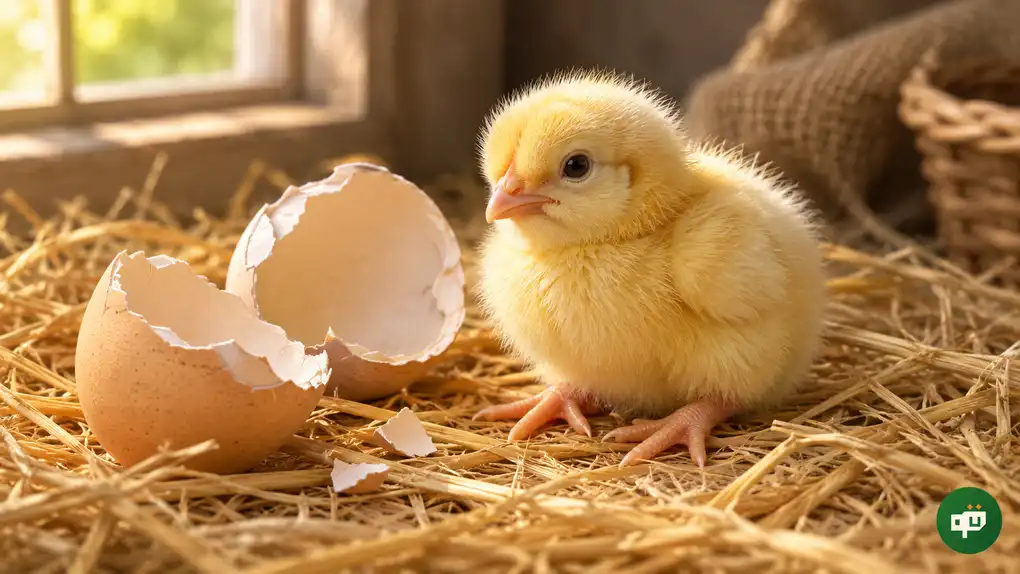
The example the book gives is blood inside an egg that hatches into a chick. Here the blood turns into the body of a living creature. Because it has turned into an animal, it is pure.
Look at al-Ansari’s wording: “according to the view that it is impure.” This means that the blood in an egg is itself still disputed. Yet even if we take the view that it is impure, the rule of istihalah still applies once that blood turns into a chick.
A Note from ash-Shirbini: An Egg That Turns into Blood
There is a related discussion in the chapter on eggs. Al-Ansari mentions that an egg that turns into blood has two views. He writes:
وَشَمِلَ إِطْلَاقُهُ الْبَيْضَ إِذَا اسْتَحَالَ دَمًا وَهُوَ مَا صَحَّحَهُ النَّوَوِيُّ هُنَا فِي تَنْقِيحِهِ لَكِنَّ الَّذِي صَحَّحَهُ فِي شُرُوطِ الصَّلَاةِ مِنْهُ وَفِي التَّحْقِيقِ وَغَيْرِهِ أَنَّهُ نَجِسٌ
Meaning: “The author’s wording also covers an egg that turns into blood. That is what an-Nawawi held to be correct here in his Tanqih, but what he held to be correct in the section on the conditions of prayer in the same book, in At-Tahqiq, and elsewhere, is that it is impure.”[5]
Shaykh al-Khatib ash-Shirbini in Al-Iqna’ mentions the same and reconciles the two views: the view that it is pure is directed at an egg that has not turned into an animal, while the view that it is impure is understood to concern an egg that has turned into blood only:
وَلَوِ اسْتَحَالَتِ الْبَيْضَةُ دَمًا فَهِيَ طَاهِرَةٌ عَلَى مَا صَحَّحَهُ النَّوَوِيُّ فِي تَنْقِيحِهِ هُنَا وَصَحَّحَ فِي شُرُوطِ الصَّلَاةِ مِنْهُ أَنَّهَا نَجِسَةٌ وَالْأَوْجَهُ حَمْلُ هَذَا عَلَى مَا إِذَا لَمْ تَسْتَحِلْ حَيَوَانًا
Meaning: “If an egg turns into blood, it is pure according to what an-Nawawi held correct in his Tanqih here, and in the section on the conditions of prayer he held it to be impure. The stronger understanding is to read the latter view as applying when the egg has not turned into an animal.”[6]
In practice, an egg that has become an animal is certainly pure. An egg that has only turned into blood is still disputed.
Worms That Grow from Impure Matter
The phrase “even if the animal is a dog’s worm” in the rule above raises a question: a worm that appears from impure matter, is it impure?
By the rule, a worm that comes from impurity and has become an animal is ruled pure. The book gives the example of a dog’s worm, and the ruling is the same for a worm that grows from other impurities.
A Note from an-Nawawi: It Grows Inside, It Is Not Created From
Al-Ansari then mentions a precision from an-Nawawi:
وَقَدْ مَنَعَهُ النَّوَوِيُّ فِي مَجْمُوعِهِ بِأَنَّ الدُّودَ الْمُتَوَلِّدَ مِنَ النَّجَاسَةِ لَا يُخْلَقُ مِنْهَا وَإِنَّمَا يَتَوَلَّدُ فِيهَا كَدُودِ الْخَلِّ لَا يُخْلَقُ مِنْهُ بَلْ يَتَوَلَّدُ فِيهِ
Meaning: “An-Nawawi rejected that notion in Al-Majmu’, because a worm born in impurity is not created from it. It grows within it, like the worm of vinegar, which is not created from vinegar but grows inside it.”[4]
It means that the worm is a living creature, and a pure one, from the start. Only its place of growth is impure. So it is pure not through pure istihalah, but because it is a living animal that was not created from an impure substance.
The Difference Between Istihalah and a Mere Change of Color, Taste, or Smell
One thing is often mistaken for istihalah when it is not: a change in attributes only. For example, urine that yellows and then turns pale, or feces that dry until the smell fades. A change in color, taste, or smell does not purify automatically.
What istihalah means is a change in the essence of the substance, such as wine becoming vinegar or blood becoming a chick. If the substance is still the same and only its attributes have shifted, it must still be washed according to the rules for removing impurity.
The Limit of Istihalah: Changes That Do Not Purify
Not every change of substance purifies. The rule above has a second half that sets the limit. Al-Ansari writes:
لَا إِنِ اسْتَحَالَ رَمَادًا وَمِلْحًا وَنَحْوَهُمَا فَلَا يَطْهُرُ
Meaning: “It does not become pure if the impurity turns into ash, salt, and the like.”[4]
So the answer to whether a carcass that turns to ash is pure is: it is not pure. A carcass that is burned to ash remains ruled impure. The same goes for impurity that turns into salt.
Impurity That Turns into Ash: Not Pure
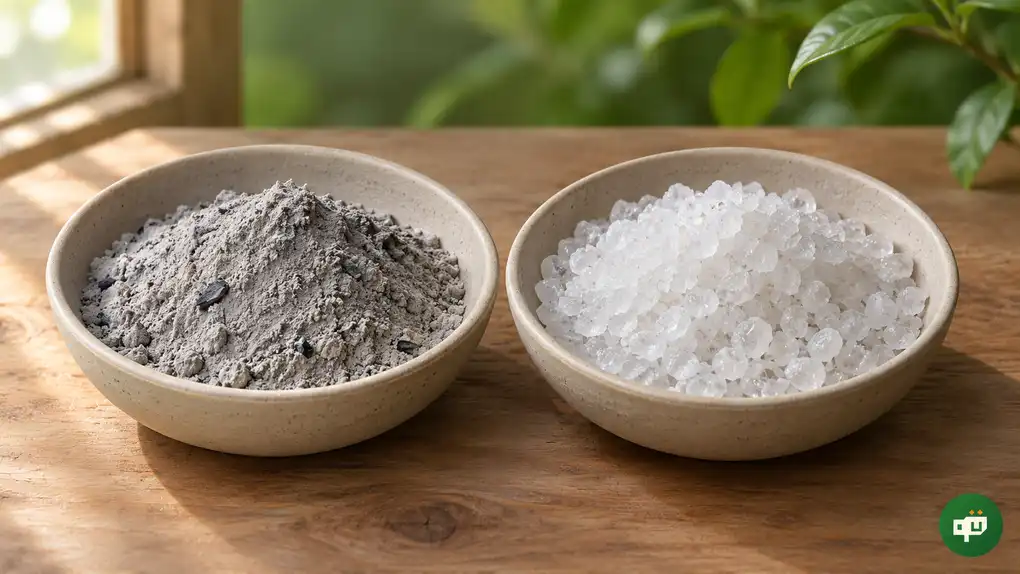
The ash of an impure substance stays impure. Burning only changes the form, while the ash is the remainder of the same impure substance, not a new living creature.
For that reason the ash of a carcass, of feces, or of impure animal waste may not be treated as pure. If it touches clothing or the body, it must be washed like any other impurity.
Impurity That Turns into Salt or the Like: Not Pure
The same ruling applies when impurity crystallizes or hardens into salt or something similar. The words “and the like” (wa nahwahuma) show that the rule is general: turning into a lifeless substance that came from impurity does not purify.
Why Is Turning into an Animal Different from Turning into Ash?
The answer goes back to the reason given earlier. An animal has life, and life has a clear effect in repelling impurity. Ash and salt are lifeless. Nothing alive in them repels the impurity, so the impurity stays attached.
Table: Changes That Purify and Changes That Do Not
| Original impurity | Turns into | Final status | Source |
|---|---|---|---|
| Blood in an egg | A chick | Pure | Asna al-Mathalib, Vol. 1, pp. 18-19 |
| Impurity (e.g., a dog’s impurity) | A worm or other animal | Pure | Asna al-Mathalib, Vol. 1, p. 19 |
| A carcass or impurity | Ash | Not pure | Asna al-Mathalib, Vol. 1, p. 19 |
| Impurity | Salt or the like | Not pure | Asna al-Mathalib, Vol. 1, p. 19 |
| An egg | Blood (not an animal) | Disputed; the stronger view is impure | Asna al-Mathalib, Vol. 1, p. 13; Al-Iqna’, Vol. 1, p. 89 |
The next section moves on to the case of istihalah that is asked about most: wine that turns into vinegar.
Wine Is Impure, and How It Becomes Pure
The case of istihalah that scholars discuss most is wine that turns into vinegar. To understand it, we begin with the basis for wine’s impurity. The full discussion of wine is in the article on wine turning into vinegar, while here we focus on the side of the change.
The Basis for Wine’s Impurity and Its Definition
Al-Ansari states that wine is impure, and he gives the definition of wine in this chapter:
وَهِيَ الْمُشْتَدُّ مِنْ مَاءِ الْعِنَبِ وَلَوْ مُحْتَرَمَةً … فَنَجِسَةٌ تَغْلِيظًا وَزَجْرًا عَنْهَا كَالْكَلْبِ وَلِأَنَّهَا رِجْسٌ بِنَصِّ الْقُرْآنِ وَالرِّجْسُ النَّجِسُ
Meaning: “Wine is grape juice that has fermented (become intoxicating), even if it is muhtaramah wine … so it is impure, as a stern measure and a deterrent, like the dog, and because it is rijs by the text of the Qur’an, and rijs means impure.”[7]
Two things should be noted. First, wine in Shafi’i fiqh terminology is intoxicating grape juice. Second, its impurity rests on the word rijs in the Qur’an. For that reason wine is impure and intoxicating drinks are impure in this school, not merely forbidden.
Muhtaramah and Ghayr Muhtaramah Wine
Scholars divide wine into two kinds. Muhtaramah is juice that is respected because it was not made with the aim of becoming wine. Ghayr muhtaramah is wine made with the aim of becoming wine.
Two Definitions of Muhtaramah
Al-Ansari gives two formulations from the two shaykhs (ar-Rafi’i and an-Nawawi):
وَالْمُحْتَرَمَةُ قَالَ الشَّيْخَانِ فِي الْغَصْبِ هِيَ مَا عُصِرَ لَا بِقَصْدِ الْخَمْرِيَّةِ وَفِي الرَّهْنِ مَا عُصِرَ بِقَصْدِ الْخَلِّيَّةِ
Meaning: “Muhtaramah wine, say the two shaykhs in the chapter on usurpation, is juice pressed without the intention of making wine, and in the chapter on pledges, it is juice pressed with the intention of making vinegar.”[7]
Al-Ansari then judges the first formulation to be broader and stronger. Ash-Shirbini says the same in Al-Iqna’, that the second formulation (without the intention of making wine) is the more fitting:
وَالْمُحْتَرَمَةُ هِيَ الَّتِي عُصِرَتْ بِقَصْدِ الْخَلِّيَّةِ أَوْ هِيَ الَّتِي عُصِرَتْ لَا بِقَصْدِ الْخَمْرِيَّةِ وَهَذَا الثَّانِي أَوْلَى
Meaning: “Muhtaramah wine is that which was pressed with the intention of making vinegar, or that which was pressed without the intention of making wine, and this second is better.”[8]
Takhallul: Wine Turning into Vinegar by Itself
The process of wine turning into vinegar is called takhallul. The basic ruling is simple: when it happens by itself, the wine is pure. Al-Ansari writes:
وَتَطْهُرُ خَمْرٌ وَلَوْ غَيْرَ مُحْتَرَمَةٍ تَخَلَّلَتْ وَلَوْ بِتَشْمِيسٍ أَوْ فَتْحِ رَأْسِ الدَّنِّ لِزَوَالِ الشِّدَّةِ مِنْ غَيْرِ نَجَاسَةٍ حَلَّتْهَا
Meaning: “Wine becomes pure when it turns into vinegar, even if it is ghayr muhtaramah, and even if by exposure to the sun or by opening the lid of the vessel, because its intoxicating strength has gone without any other impurity having entered it.”[3]
The Reason: The Cause of Its Impurity and Prohibition Is Gone
Ash-Shirbini spells out the reason in Al-Iqna’:
وَإِذَا تَخَلَّلَتِ الْخَمْرَةُ بِنَفْسِهَا طَهُرَتْ لِأَنَّ عِلَّةَ النَّجَاسَةِ وَالتَّحْرِيمِ الْإِسْكَارُ وَقَدْ زَالَا
Meaning: “When wine turns into vinegar by itself, it becomes pure, because the cause of its impurity and prohibition is intoxication, and that has gone.”[8]
So wine turning into vinegar does not mean its impurity has been “cleaned off”. The substance has changed: what was intoxicating is no longer so. That is istihalah.
Why This Ruling Is Needed
Ash-Shirbini gives a second reason that is very practical:
وَلِأَنَّ الْعَصِيرَ غَالِبًا لَا يَتَخَلَّلُ إِلَّا بَعْدَ التَّخَمُّرِ فَلَوْ لَمْ نَقُلْ بِالطَّهَارَةِ لَتَعَذَّرَ اتِّخَاذُ خَلٍّ مِنَ الْخَمْرِ وَهُوَ حَلَالٌ إِجْمَاعًا
Meaning: “Because juice usually does not turn into vinegar except after it has fermented into wine. If we did not rule it pure, it would be impossible to make vinegar from wine, while vinegar is lawful by consensus.”[8]
Without this rule, vinegar from wine could never be made from grapes. Yet vinegar is a lawful food that is agreed upon.
Examples of Natural Takhallul
Ash-Shirbini mentions several situations that still count as changing by itself:
وَكَذَا تَطْهُرُ لَوْ نُقِلَتْ مِنْ شَمْسٍ إِلَى ظِلٍّ أَوْ عَكْسِهِ أَوْ فُتِحَ رَأْسُ الدَّنِّ لِزَوَالِ الشِّدَّةِ مِنْ غَيْرِ نَجَاسَةٍ خَلَفَتْهَا
Meaning: “Likewise, wine becomes pure if it is moved from the sun to the shade or the reverse, or if the lid of the vessel is opened, because its strength has gone without any impurity replacing it.”[8]
- Moved from the blazing sun to the shade, or the reverse: still pure.
- The lid is opened so that air gets in: still pure.
What all of these share is that no other substance has entered the wine. Only the surrounding conditions changed.
Conditions and Invalidators of Takhallul
Wine becomes pure only when the conditions are met. Several situations invalidate it, so that a container that held wine and its contents stay impure.
Putting a Substance into the Wine: Not Pure
Ash-Shirbini writes:
وَإِنْ تَخَلَّلَتْ بِطَرْحِ شَيْءٍ فِيهَا كَالْبَصَلِ وَالْخُبْزِ الْحَارِّ وَلَوْ قَبْلَ التَّخَمُّرِ لَمْ تَطْهُرْ لِتَنَجُّسِ الْمَطْرُوحِ فِيهَا فَيُنَجِّسُهَا بَعْدَ انْقِلَابِهَا خَلًّا
Meaning: “If wine turns into vinegar because something was put into it, such as onion or hot bread, even before it fermented, it is not pure, because the thing put in becomes impure and makes it impure after it turns into vinegar.”[8]
So wine is not pure when something was added to it. It does not matter whether the thing is onion or bread. What decides it is that another substance got mixed in.
A Note from ash-Shirbini: “Falling,” Not “Throwing”
Ash-Shirbini adds a linguistic note that affects the ruling:
لَوْ عَبَّرَ بِالْوُقُوعِ بَدَلَ الطَّرْحِ لَكَانَ أَوْلَى لِئَلَّا يَرِدَ عَلَيْهِ مَا لَوْ وَقَعَ فِيهَا شَيْءٌ بِغَيْرِ طَرْحٍ كَإِلْقَاءِ رِيحٍ فَإِنَّهَا لَا تَطْهُرُ مَعَهُ عَلَى الْأَصَحِّ
Meaning: “If the author had said ‘falling’ in place of ‘throwing,’ it would have been better, so that there is no objection from the case where something falls into it without being thrown, such as being blown in by the wind, since the wine does not become pure along with it according to the sounder view.”[8]
It means that what spoils it is the presence of a substance in the wine, whether a person threw it in or the wind blew it in. The person’s intention does not decide.
Grape Seeds That Are Hard to Avoid
There is a concession:
لَوْ عُصِرَ الْعِنَبُ وَوَقَعَ مِنْهُ بَعْضُ حَبَّاتٍ فِي عَصِيرِهِ لَمْ يُمْكِنِ الِاحْتِرَازُ عَنْهَا يَنْبَغِي أَنَّهَا لَا تَضُرُّ
Meaning: “If grapes are pressed and some berries fall into the juice and cannot be avoided, it should be that this does not spoil it.”[8]
Wine Mixed with Impure or Other Substances
Al-Ansari explains:
لَا إِنْ تَخَلَّلَتْ مَعَ وُجُودِ عَيْنٍ فِيهَا وَإِنْ لَمْ تُؤَثِّرْ فِي التَّخَلُّلِ كَحَصَاةٍ وَحَبَّةِ عِنَبٍ تَخَمَّرَ جَوْفُهَا أَوْ مَعَ تَنَجُّسٍ لَهَا بِنَجِسٍ
Meaning: “It is not pure if it turns into vinegar while some substance is present in it, even if that substance had no effect on the change, such as a pebble or a grape seed whose inside has fermented, or if the wine was touched by impurity.”[3]
A Pure Substance Removed Before It Becomes Vinegar
The continuation of that sentence gives the concession:
وَأَفْهَمَ كَلَامُهُ كَغَيْرِهِ أَنَّهَا تَطْهُرُ بِالتَّخَلُّلِ إِذَا نُزِعَتْ مِنْهَا الْعَيْنُ الطَّاهِرَةُ قَبْلَهُ وَهُوَ ظَاهِرٌ
Meaning: “The author’s words, like those of other scholars, indicate that wine becomes pure by turning into vinegar if the pure substance is removed from it before that, and this is clear.”[3]
An Impure Substance Still Makes It Impure
Ash-Shirbini stresses the difference:
وَلَوْ نُزِعَتِ الْعَيْنُ الطَّاهِرَةُ مِنْهَا قَبْلَ التَّخَلُّلِ لَمْ يَضُرَّ لِفَقْدِ الْعِلَّةِ بِخِلَافِ الْعَيْنِ النَّجِسَةِ لِأَنَّ النَّجِسَ يَقْبَلُ التَّنْجِيسَ فَلَا تَطْهُرُ بِالتَّخَلُّلِ
Meaning: “If a pure substance is removed from the wine before it becomes vinegar, there is no harm, because the cause is gone. It differs from an impure substance, because an impure substance can make things impure, so the wine does not become pure even when it turns into vinegar.”[8]
Wine Rising up the Walls of the Vessel
Sometimes wine boils until it rises to the upper part of the vessel. Al-Ansari answers:
وَيَتْبَعُهَا فِي الطَّهَارَةِ لِلضَّرُورَةِ الدَّنُّ وَإِنْ غَلَتْ حَتَّى ارْتَفَعَتْ وَتَنَجَّسَ بِهَا مَا فَوْقَهَا مِنْهُ وَتُشْرَبُ
Meaning: “The vessel (dann) follows the wine in becoming pure out of necessity, even if the wine boiled until it rose and made the upper part of the vessel impure.”[3]
When It Rises Because Someone Lifted It
It is different when the rise is not from boiling. Al-Ansari cites al-Baghawi:
فَإِنِ ارْتَفَعَتْ بِلَا غَلَيَانٍ بَلْ بِفِعْلِ فَاعِلٍ قَالَ الْبَغَوِيُّ فِي فَتَاوِيهِ فَلَا يَطْهُرُ الدَّنُّ إِذْ لَا ضَرُورَةَ وَكَذَا الْخَمْرُ لِاتِّصَالِهَا بِالْمُرْتَفِعِ النَّجِسِ نَعَمْ لَوْ غُمِرَ الْمُرْتَفِعُ قَبْلَ جَفَافِهِ بِخَمْرٍ أُخْرَى طَهُرَتْ بِالتَّخَلُّلِ
Meaning: “If the wine rose without boiling but through a person’s act, al-Baghawi said in his fatwas that the vessel is not pure, since there is no necessity, and neither is the wine, because it is connected to the impure raised part. However, if the raised part is submerged in other wine before it dries, the wine becomes pure by turning into vinegar.”[3]
Ash-Shirbini adds a detail about the condition of dryness:
فَلَوْ غُمِرَ الْمُرْتَفِعُ بِخَمْرٍ طَهُرَتْ بِالتَّخَلُّلِ وَلَوْ بَعْدَ جَفَافِهِ خِلَافًا لِلْبَغَوِيِّ فِي تَقْيِيدِهِ بِقَبْلِ الْجَفَافِ
Meaning: “If the raised part is submerged in wine, the wine becomes pure by turning into vinegar even after that part has dried, differing from al-Baghawi in restricting it to before drying.”[8]
Moving Wine to Another Vessel
Ash-Shirbini explains:
وَلَوْ نُقِلَتْ مِنْ دَنٍّ إِلَى آخَرَ طَهُرَتْ بِالتَّخَلُّلِ بِخِلَافِ مَا لَوْ أُخْرِجَتْ مِنْهُ ثُمَّ صُبَّ فِيهِ عَصِيرٌ فَتَخَمَّرَ ثُمَّ تَخَلَّلَ
Meaning: “If wine is moved from one vessel to another, it becomes pure by turning into vinegar. It differs from the case where the wine is taken out of the vessel and fresh juice is poured into it, which ferments into wine and then turns into vinegar.”[8]
In the second case, the vessel has already been touched by wine in an impure state, so the vinegar that forms in it is affected too.
Mixing Grape Juice with Vinegar
The ruling on a mixture depends on how much vinegar there is.
Al-Ansari writes:
وَإِنِ اخْتَلَطَ عَصِيرٌ بِخَلٍّ مَغْلُوبٍ ضَرَّ لِأَنَّهُ لِقِلَّةِ الْخَلِّ فِيهِ يَتَخَمَّرُ فَيَتَنَجَّسُ بِهِ بَعْدَ تَخَلُّلِهِ أَوْ بِخَلٍّ غَالِبٍ فَلَا يَضُرُّ لِأَنَّ الْأَصْلَ وَالظَّاهِرَ عَدَمُ التَّخَمُّرِ
“If grape juice is mixed with vinegar that is the lesser part, it spoils it, because there is little vinegar in it, so the juice will turn into wine, and then the vinegar becomes impure by it after (the juice) has turned into vinegar. If it is mixed with vinegar that is the greater part, it does not spoil it, because the default and the apparent state is that the juice does not turn into wine.”[3]
- Vinegar is the lesser part: the juice turns into wine, and the vinegar that was there also becomes impure.
- Vinegar is the greater part: no harm; the mixture stays pure.
- Equal amounts: ash-Shirbini treats it like the greater part, so no harm.
وَأَمَّا الْمُسَاوِي فَيَنْبَغِي إِلْحَاقُهُ بِالْخَلِّ الْغَالِبِ لِمَا ذُكِرَ
Meaning: “As for equal amounts, it should be treated like the dominant vinegar for the reason given.”[9]
Three Ways Juice Becomes Vinegar Without Becoming Wine
Al-Halimi explains that juice can become vinegar without passing through a wine stage, in three ways:
قَالَ الْحَلِيمِيُّ قَدْ يَصِيرُ الْعَصِيرُ خَلًّا مِنْ غَيْرِ تَخَمُّرٍ فِي ثَلَاثِ صُوَرٍ
Meaning: “Al-Halimi said: juice sometimes becomes vinegar without fermenting into wine, in three forms.”[9]
- Pouring juice into an old vessel that already holds vinegar.
- Pouring vinegar into the juice, as long as the juice is not more than the vinegar.
- Stripping the grapes from their clusters, filling a vessel with them, then sealing its top with clay.[9]
All three are practical ways to avoid the stage of impure wine.
Intoxicating Nabidh: Can It Become Pure Like Wine?
The next question: what about an intoxicating drink that is not from grapes? Can it become pure if it turns into vinegar?
What Intoxicating Nabidh Means
Al-Ansari defines nabidh:
وَلَا نَبِيذٍ مُسْكِرٍ وَهُوَ الْمُشْتَدُّ مِنْ مَاءِ الزَّبِيبِ أَوْ نَحْوِهِ فَنَجِسٌ كَالْخَمْرِ
Meaning: “Intoxicating nabidh, which is the fermented liquid of raisin water or the like, is impure like wine.”[10]
Ash-Shirbini adds a limit: nabidh is a liquid made from something other than grape juice, such as dates.[8] So nabidh is impure once it is intoxicating. Tape that has fermented until it is intoxicating falls under this discussion.
Two Views on Nabidh That Turns into Vinegar
On whether nabidh can become pure, there are two views. Al-Ansari writes:
وَخَرَجَ بِالْخَمْرِ النَّبِيذُ فَلَا يَطْهُرُ بِالتَّخَلُّلِ لِوُجُودِ الْمَاءِ فِيهِ وَبِهِ صَرَّحَ الْقَاضِي أَبُو الطَّيِّبِ وَقَضِيَّةُ كَلَامِ الْبَغَوِيِّ أَنَّهُ يَطْهُرُ وَاخْتَارَهُ السُّبْكِيُّ لِأَنَّ الْمَاءَ مِنْ ضَرُورَتِهِ
Meaning: “Nabidh falls outside the word ‘wine,’ so it does not become pure by turning into vinegar because of the water in it. This is what al-Qadi Abu ath-Thayyib stated. The implication of al-Baghawi’s words is that it becomes pure, and as-Subki chose it because water is a necessary part of it.”[3]
- Not pure (al-Qadi Abu ath-Thayyib): the water in the nabidh became impure when the nabidh became intoxicating, then makes the vinegar impure after the change.
- Pure (al-Baghawi, chosen by as-Subki): water is an inseparable part of nabidh, so it is not counted as another impure substance.
The View Relied Upon, According to ash-Shirbini
Ash-Shirbini in Al-Iqna’ mentions both views, then states which one is relied upon:
وَالنَّبِيذُ وَهُوَ الْمُتَّخَذُ مِنْ غَيْرِ مَاءِ الْعِنَبِ كَالتَّمْرِ لَا يَطْهُرُ بِالتَّخَلُّلِ وَبِهِ صَرَّحَ الْقَاضِي أَبُو الطَّيِّبِ لِتَنَجُّسِ الْمَاءِ بِهِ حَالَةَ الِاشْتِدَادِ فَيُنَجِّسُهُ بَعْدَ الِانْقِلَابِ خَلًّا … وَقَالَ الْبَغَوِيُّ يَطْهُرُ وَاخْتَارَهُ السُّبْكِيُّ وَهُوَ الْمُعْتَمَدُ لِأَنَّ الْمَاءَ مِنْ ضَرُورِيَّاتِهِ
Meaning: “Nabidh, which is made from something other than grape juice, such as dates, does not become pure by turning into vinegar, and this is what al-Qadi Abu ath-Thayyib stated, because the water became impure by it while it was fermenting, and so makes it impure after it turns into vinegar … Al-Baghawi said it becomes pure, as-Subki chose it, and it is the relied-upon view (mu’tamad), because water is among its necessities.”[8]
Ash-Shirbini then gives its evidence from the chapter on usury:
وَيَدُلُّ لَهُ مَا صَرَّحُوا بِهِ فِي بَابِ الرِّبَا أَنَّهُ لَوْ بَاعَ خَلَّ تَمْرٍ بِخَلِّ عِنَبٍ أَوْ خَلَّ زَبِيبٍ بِخَلِّ رُطَبٍ صَحَّ
Meaning: “That is indicated by what scholars stated in the chapter on usury, that if someone sells date vinegar for grape vinegar, or raisin vinegar for fresh-date vinegar, the sale is valid.”[8]
The validity of the sale shows that vinegar from nabidh is recognized as a pure substance that may be traded. So for followers of this school, tape that turns into vinegar with nothing else added may be ruled pure according to the mu’tamad view in Al-Iqna’.
One honest note: Asna al-Mathalib first mentions the view of Abu ath-Thayyib, while Al-Iqna’ explicitly names the view of purity as the relied-upon one. For the general reader, the position to follow is the mu’tamad ruling stated in Al-Iqna’.
Solid Intoxicants: Pure and Not Istihalah
Al-Ansari mentions an important difference:
بِخِلَافِ الْجَامِدِ الْمُسْكِرِ كَالْحَشِيشَةِ فَإِنَّهُ وَإِنْ أَسْكَرَ طَاهِرٌ كَمَا صَرَّحَ بِهِ النَّوَوِيُّ فِي دَقَائِقِهِ
Meaning: “Unlike a solid intoxicant such as hashish (cannabis), which is pure even though it intoxicates, as an-Nawawi stated in Daqa’iq.”[10]
Cannabis and the like are forbidden to use, but they are not impure because they are solid, not liquid. And because they are not impure, they need no istihalah.
Istihalah Through Tanning (Dabagh): A Carcass Hide Becomes Pure
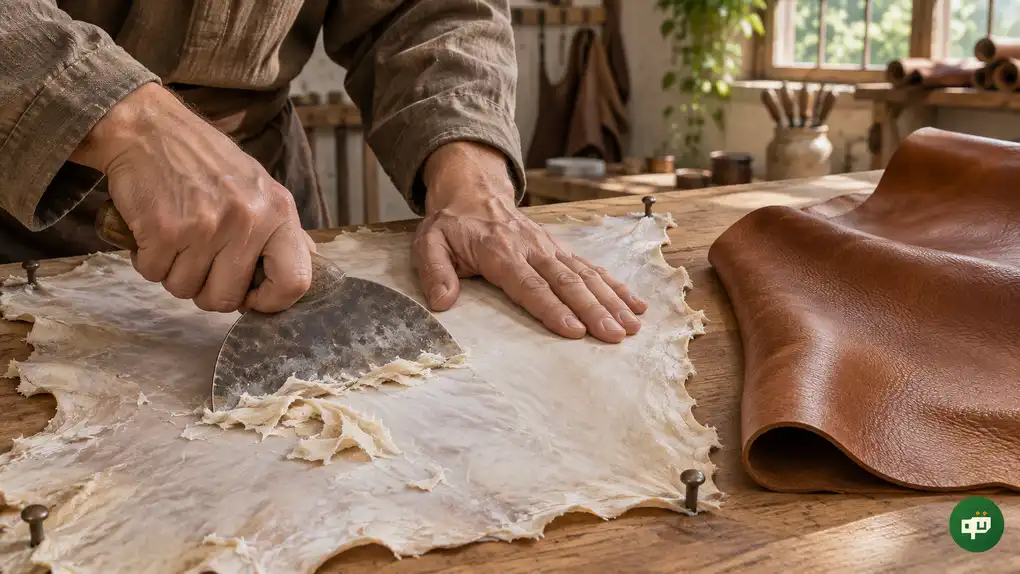
We move to a case of istihalah met in daily life, namely the hides of dead animals. Shoes, bags, and belts made of leather are examples. The full discussion is in the article on tanning hides.
Tanning as a Form of Istihalah
Al-Ansari explains:
وَلِكَوْنِ الدَّبْغِ إِحَالَةً لَمْ يَجِبْ فِيهِ الْمَاءُ وَلِهَذَا جَازَ بِالنَّجِسِ الْمُحَصِّلِ لِذَلِكَ
Meaning: “Because tanning is a transformation (ihalah), water is not required in it. For that reason it is permitted with an impure substance that produces that transformation.”[11]
Tanning changes the nature of the hide from that of raw, quickly decaying flesh to that of a material for clothing. That is why dabagh is counted as part of istihalah.
Conditions for Valid Tanning
Al-Ansari gives the conditions:
وَالدِّبَاغُ بِمَعْنَى الِانْدِبَاغِ وَلَوْ بِإِلْقَاءِ الرِّيحِ … بِحِرِّيفٍ نَازِعٍ لِلْفُضُولِ بِحَيْثُ لَا يُفْسِدُهُ أَيْ لَا يُنْتِنُهُ مَا يَقَعُ هُوَ فِيهِ وَلَوْ كَانَ الِانْدِبَاغُ بِنَجِسٍ كَذَرْقِ حَمَامٍ وَبِغَيْرِ مَاءٍ فِي أَثْنَاءِ الدِّبَاغِ لَا بِتَمْلِيحٍ وَتَشْمِيسٍ
Meaning: “Tanning, meaning the hide becoming tanned, even if the wind drops the tanning agent into it, is done with a sharp agent that removes the residues, so that what it is put into does not spoil it, meaning does not make it rot. It is valid even if with an impure substance such as pigeon droppings, and with something other than water in the course of tanning, but not with salting or sun-drying.”[12]
- A sharp or astringent agent that removes the moist residues.
- It may be an impure substance, for example pigeon droppings.
- Salt or sun-drying alone is not enough, because neither removes those residues.
Its basis is the hadith narrated by Muslim:
إِذَا دُبِغَ الْإِهَابُ فَقَدْ طَهُرَ
Meaning: “When a hide is tanned, it has become pure.”[12]
The Exception: The Hides of Dogs, Pigs, and Their Offspring
Al-Ansari writes:
يَطْهُرُ جِلْدُ غَيْرِ كَلْبٍ وَخِنْزِيرٍ وَفَرْعِهِمَا
Meaning: “The hide of anything other than a dog, a pig, and their offspring is purified.”[12]
The reason is that a carcass is impure because it decays quickly, and life is stronger at holding off decay. If life itself does not purify a dog and a pig, then tanning is even less able to.[3]
Hair and Fur on a Tanned Hide
Al-Ansari says:
لَا شَعْرُهُ فَلَا يُطَهِّرُهُ الِانْدِبَاغُ لِعَدَمِ تَأَثُّرِهِ بِهِ
Meaning: “Not its hair. Tanning does not purify it because hair is not affected by it.”[3]
Then he explains the concession and the view of as-Subki:
قَالَ النَّوَوِيُّ وَيُعْفَى عَنْ قَلِيلِهِ فَيَطْهُرُ تَبَعًا … عَلَى أَنَّ السُّبْكِيَّ قَالَ بِطَهَارَةِ الشَّعْرِ مُطْلَقًا أَخْذًا بِخَبَرٍ فِي صَحِيحِ مُسْلِمٍ
Meaning: “An-Nawawi said a small amount of hair is excused so that it becomes pure by following, … while as-Subki held that hair is pure absolutely, based on a report in Sahih Muslim.”[3]
The Status of a Hide After Tanning
Al-Ansari closes this section:
وَيَصِيرُ الْمُنْدَبِغُ كَثَوْبٍ نَجِسٍ فِي أَنَّهُ يُصَلَّى فِيهِ إِنْ غُسِلَ وَيُبَاعُ وَإِنْ لَمْ يُغْسَلْ مَا لَمْ يَمْنَعْ مَانِعٌ وَلَا يَحِلُّ أَكْلُهُ
Meaning: “A tanned hide becomes like an impure garment: one may pray in it if it is washed, it may be sold even if not washed as long as nothing prevents it, and it is not lawful to eat it.”[3]
- Like an impure garment: one may pray in it after it is washed.
- It may be traded, even if not yet washed.
- It is not lawful to eat, based on the hadith in the two Sahihs: “Only eating the carcass has been made forbidden.”
So the ruling on leather bags and shoes is that they may be used if the hide has been tanned under the conditions above and is not from a dog or a pig.
The Ruling on Vessels and Places of Substances That Undergo Istihalah
The Vessel Becomes Pure Along with Wine That Turns into Vinegar
Al-Ansari says the vessel becomes pure out of necessity, even if the wine boiled until it rose up the walls.[3] Ash-Shirbini states the same:
وَيَطْهُرُ دَنُّهَا مَعَهَا وَإِنْ غَلَتْ حَتَّى ارْتَفَعَتْ وَتَنَجَّسَ بِهَا مَا فَوْقَهَا مِنْهُ وَتُشْرَبُ مِنْهَا لِلضَّرُورَةِ
Meaning: “Its vessel becomes pure with it, even if it boiled until it rose and made the upper part impure, and the vinegar may be drunk because of necessity.”[8]
So a wine vessel is pure once the wine has turned into vinegar, without any special washing.
Keeping and Using Wine Vessels
Ash-Shirbini closes the discussion with the ruling on vessels:
وَيَجُوزُ إِمْسَاكُ ظُرُوفِ الْخَمْرِ وَالِانْتِفَاعُ بِهَا وَاسْتِعْمَالُهَا إِذَا غُسِلَتْ وَإِمْسَاكُ الْمُحْتَرَمَةِ لِتَصِيرَ خَلًّا
Meaning: “It is permitted to keep wine vessels, to benefit from them, and to use them once they have been washed, and to keep muhtaramah wine so that it becomes vinegar.”[9]
So the ruling on using a jar that once held wine is that it is permitted once washed.
Ghayr Muhtaramah Wine Must Be Poured Out
Lastly:
وَغَيْرُ الْمُحْتَرَمَةِ تَجِبُ إِرَاقَتُهَا فَلَوْ لَمْ يُرِقْهَا فَتَخَلَّلَتْ طَهُرَتْ عَلَى الصَّحِيحِ كَمَا مَرَّ
Meaning: “Ghayr muhtaramah wine must be poured out. If it is not poured out and it turns into vinegar, it becomes pure according to the sound view, as has been said.”[9]
The command to pour it out remains an obligation. But if it has already turned into vinegar by itself, that vinegar is pure.
Summary of the Rules of Istihalah
Table: Substance, Change, Final Status, and Source
| Substance | Form of change | Final status | Source |
|---|---|---|---|
| Blood in an egg | Becomes a chick | Pure | Asna al-Mathalib, Vol. 1, pp. 18-19 |
| Impurity (e.g., a dog’s impurity) | Becomes a worm or animal | Pure | Asna al-Mathalib, Vol. 1, p. 19 |
| Impurity | Becomes ash or salt | Not pure | Asna al-Mathalib, Vol. 1, p. 19 |
| Wine | Becomes vinegar by itself | Pure | Asna Vol. 1, p. 18; Al-Iqna’ Vol. 1, p. 94 |
| Wine | Becomes vinegar because something was put in | Not pure | Al-Iqna’ Vol. 1, p. 94 |
| Intoxicating nabidh | Becomes vinegar | Pure according to the mu’tamad view in Al-Iqna’ | Al-Iqna’ Vol. 1, p. 94 |
| Solid intoxicant (cannabis) | No change | Pure, but forbidden to consume | Asna al-Mathalib, Vol. 1, p. 10 |
| Carcass hide | Tanned | Pure, except the hide of a dog, a pig, and their offspring | Asna al-Mathalib, Vol. 1, pp. 17-18 |
| Wine vessel | Follows the wine into vinegar | Pure | Asna Vol. 1, p. 18; Al-Iqna’ Vol. 1, p. 94 |
Closing Points
Istihalah is one way of purifying impurity other than with water. Its condition is clear: the impure substance must truly change into something else, not merely have its attributes shift, and no impure substance may have entered.
Turning into an animal purifies. Turning into ash or salt does not. Wine is pure if it becomes vinegar by itself, but not if something was put in. A carcass hide becomes pure through tanning, except the hide of a dog, a pig, and their offspring.
FAQ on Istihalah
Is wine that turns into vinegar pure?
Yes, it is pure if it turns by itself, even through sun exposure or by opening its lid. The reason is that the intoxicating strength, which was the cause of its impurity and prohibition, has gone.
Pure: it changes by itself, is exposed to the sun, is moved from the sun to the shade, or its lid is opened.
Not pure: it changes because something such as onion or hot bread was put into it.[13]
Does a carcass or impurity that turns into ash or salt become pure?
No. Impurity that turns into ash, salt, or the like stays impure, because the result of the change is a lifeless substance that has no life to repel impurity.[4]
Is the blood in an egg that becomes a chick pure?
Yes, it is pure because it has turned into an animal. The book gives it as an example of the rule that impurity turning into an animal becomes pure. The basis is that life has a clear effect in repelling impurity.[1]
Is a carcass hide pure after tanning?
Yes, it is pure if tanned under the right conditions, except the hide of a dog, a pig, and their offspring.
It is tanned with a sharp agent that removes the residues.
Salt or sun-drying is not enough.
It may be prayed in once washed and may be sold, but it is not lawful to eat.[11]
Can nabidh (tape, rice wine, or date juice) become pure after turning into vinegar?
There are two views. Al-Qadi Abu ath-Thayyib ruled it not pure because the water in it became impure while it was intoxicating. Al-Baghawi ruled it pure, and as-Subki chose that. According to ash-Shirbini, the view of purity is the mu’tamad.[13]
Footnotes
1 : Zakariyya al-Ansari, Asna al-Mathalib, Vol. 1, pp. 18-19. ↩
2 : Zakariyya al-Ansari, Asna al-Mathalib, Vol. 1, pp. 17-19. ↩
3 : Zakariyya al-Ansari, Asna al-Mathalib, Vol. 1, p. 18. ↩
4 : Zakariyya al-Ansari, Asna al-Mathalib, Vol. 1, p. 19. ↩
5 : Zakariyya al-Ansari, Asna al-Mathalib, Vol. 1, p. 13. ↩
6 : Al-Khatib ash-Shirbini, Al-Iqna’ fi Halli Alfazh Abi Syuja’, Vol. 1, p. 89. ↩
7 : Zakariyya al-Ansari, Asna al-Mathalib, Vol. 1, pp. 9-10. ↩
8 : Al-Khatib ash-Shirbini, Al-Iqna’ fi Halli Alfazh Abi Syuja’, Vol. 1, p. 94. ↩
9 : Al-Khatib ash-Shirbini, Al-Iqna’ fi Halli Alfazh Abi Syuja’, Vol. 1, p. 95. ↩
10 : Zakariyya al-Ansari, Asna al-Mathalib, Vol. 1, p. 10. ↩
11 : Zakariyya al-Ansari, Asna al-Mathalib, Vol. 1, pp. 17-18. ↩
12 : Zakariyya al-Ansari, Asna al-Mathalib, Vol. 1, p. 17. ↩
13 : Zakariyya al-Ansari, Asna al-Mathalib, Vol. 1, p. 18; Al-Khatib ash-Shirbini, Al-Iqna’, Vol. 1, p. 94. ↩
- Syamsuddin Muhammad ibn Ahmad al-Khatib ash-Shirbini, Al-Iqna’ fi Hall Alfazh Abi Syuja’, verified by Maktab al-Buhuts wa ad-Dirasat (Beirut: Dar al-Fikr, n.d.), vol. 1, pp. 89-95.
- Zakariyya al-Ansari, Asna al-Mathalib fi Sharh Rawdh ath-Thalib, with the marginal commentary of Ahmad ar-Ramli, edited by Muhammad az-Zuhri al-Ghamrawi (Cairo: al-Matba’ah al-Maymaniyyah, 1313 AH; reprint Dar al-Kitab al-Islami), vol. 1, pp. 10-19.


